
News
Olayinka Questions Atiku’s Financial Rise: ‘Where Did He Get the Money to Contest for President?
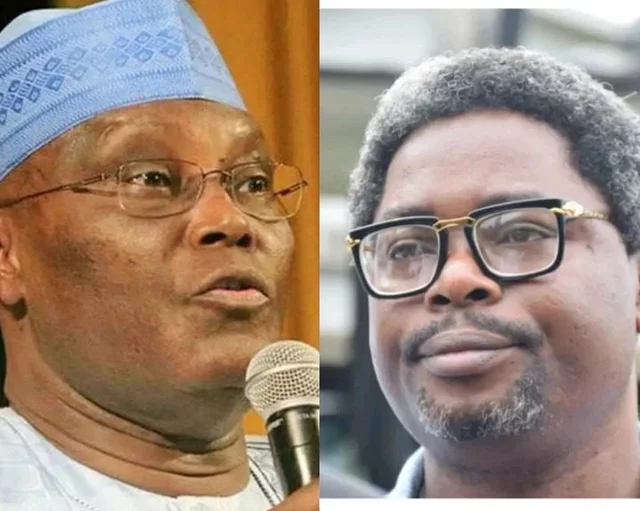
A political commentator, Olayinka, has questioned how former Vice President Atiku Abubakar built the financial resources that enabled his transition from the Nigeria Customs Service into business and, eventually, presidential politics. Olayinka's comments focus on Atiku's retirement from the Customs Service in 1989 and raise questions about the sources of the funds that supported his subsequent business activities and political ambitions. Atiku has previously stated that he voluntarily retired from the Customs Service in April 1989, after 20 years of service, having risen to the position of Deputy Director. He has also publicly described several business ventures he pursued before and after leaving the service. In accounts of his early business activities, Atiku said he ventured into property investment while still serving as a Customs officer, using a government housing loan to build a house in Yola and subsequently reinvesting rental proceeds into additional properties. He also said he ventured into agriculture and trading before becoming involved in the logistics business. One of the most significant developments in his business career was his involvement with Nigeria Container Services (NICOTES), which later became associated with Intels, a major logistics company operating in Nigeria's ports and oil-services sector. Atiku has previously explained his involvement with the company and maintained that his business activities were legitimate. Olayinka's remarks therefore centre on a broader question about the sources and growth of Atiku's wealth, particularly during the period between his retirement from public service and his emergence as a major political figure. However, questioning the source of an individual's wealth is not, by itself, evidence of financial wrongdoing. Atiku has publicly provided accounts of his business history and has consistently maintained that his rise in business and politics was supported by legitimate commercial activities. The questions raised by Olayinka remain his stated position and should not be interpreted as an established finding of wrongdoing against Atiku. Any definitive conclusion regarding the former vice president's finances would require documentary evidence, financial records and appropriate verification.