Factful24 Loading

Latest News

Stories shaping today's conversations.

Explore breaking news, insightful reporting and stories across every category.

🇳🇬 2027 Election: Concerns Grow Over Pre-Election Violence and Inflammatory Rhetoric
News

🇳🇬 2027 Election: Concerns Grow Over Pre-Election Violence and Inflammatory Rhetoric

Concerns are mounting over the possibility of political violence, intimidation and inflammatory rhetoric ahead of Nigeria’s 2027 general elections, as political parties intensify mobilisation across the country. Recent reports indicate that threats and provocative statements by some political actors have heightened fears that tensions could escalate as the election approaches. INEC and the Nigeria Police Force have warned politicians and their supporters against rhetoric capable of inciting violence, intimidation or hostility toward political opponents. INEC has specifically warned that candidates who use abusive, threatening or inflammatory language could face penalties under the Electoral Act 2026, including a fine of up to ₦5 million or 12 months' imprisonment upon conviction. Political parties can also face financial penalties. The concerns extend beyond campaign rhetoric. An assessment by the International Republican Institute (IRI) identified election-related violence, insecurity, declining public trust and political intimidation among the major challenges facing the 2027 electoral process. The organisation also urged political leaders to reject rhetoric that threatens opponents or could incite violence. Presidential candidates have already signed a National Peace Accord, committing themselves to peaceful, issue-based campaigns and rejecting violence, hate speech, misinformation and personal attacks. However, observers warn that the effectiveness of the agreement will depend on enforcement and the willingness of political actors and their supporters to abide by it. Source: https://thesun.ng/pre-election-violence-fear-spreads-over-political-actors-utterances-actions/

2 min read
Read Story
🇳🇬 Nigeria’s $800m World Bank Loan Sparks Fresh Debate Over Poverty and Cash Transfers
News

🇳🇬 Nigeria’s $800m World Bank Loan Sparks Fresh Debate Over Poverty and Cash Transfers

Nigeria’s use of an $800 million World Bank social-safety-net loan is coming under renewed scrutiny as questions grow over whether cash-transfer programmes are reaching the Nigerians most affected by poverty and rising living costs. The World Bank approved the $800 million credit in December 2021 under the National Social Safety Net Programme Scale-Up (NASSP-SU), designed to expand support for poor and vulnerable households and strengthen Nigeria’s social-protection system. As of the latest available loan records, Nigeria had received approximately $744.61 million, or about 93.1% of the facility, following additional disbursements totalling $208.29 million during the first half of 2026. About $55.39 million remained undrawn. The programme has nevertheless faced questions about its effectiveness. A recent report by Nigeria’s Auditor-General said the government could not provide sufficient evidence that ₦33.75 billion in cash transfers intended for more than 3.29 million vulnerable households reached genuine beneficiaries. Earlier World Bank reporting also raised concerns about coverage, saying millions of intended beneficiaries had not been reached by the cash-transfer programme. The controversy therefore centres on a fundamental question: Can borrowing billions of dollars for social protection substantially reduce poverty if beneficiary identification, distribution and accountability remain weak? Key angle: The debate is not simply about the size of Nigeria’s borrowing, but whether borrowed funds intended to protect vulnerable Nigerians are being delivered transparently and effectively. Source: https://punchng.com/auditor-general-flags-n33-75bn-transfers-to-unverified-beneficiaries

2 min read
Read Story
Nigeria Boycotts South African Parliamentary Events Over Attacks on Nigerians
News

Nigeria Boycotts South African Parliamentary Events Over Attacks on Nigerians

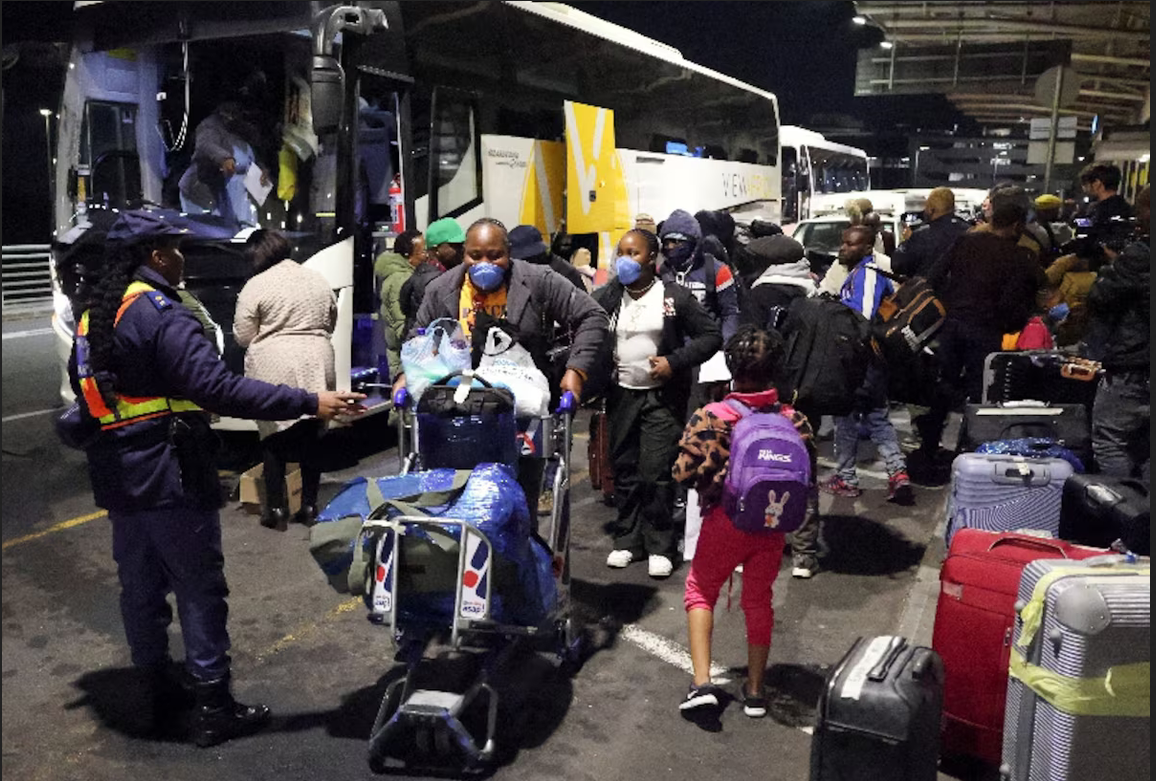
Nigeria Suspends Parliamentary Engagements With South Africa Over Xenophobic Attacks Nigeria’s National Assembly has suspended all official visits to South Africa and ordered lawmakers and parliamentary officials to boycott legislative activities hosted or organised by South African authorities until further notice. The decision follows growing concerns over recurring reports of xenophobic attacks, violence, intimidation and destruction of property involving Nigerians and other African nationals living in South Africa. The directive covers official visits by senators, members of the House of Representatives, parliamentary committees, officials and staff. It also extends to conferences, seminars, workshops, legislative meetings, parliamentary exchanges and other engagements organised or hosted by South African legislative authorities. The suspension also applies to participation in such activities through virtual or online platforms. National Assembly Raises Concern Over Nigerians The Clerk to the National Assembly, Kamoru Ogunlana, conveyed the decision following consultations between the leadership of the Senate and House of Representatives. The legislature said it was particularly concerned by reports that Nigerians had been killed, injured, displaced or forced to abandon their homes, businesses, investments and other property as a result of recurring attacks. House spokesman Akin Rotimi described the move as an expression of concern over the safety, dignity and welfare of Nigerians living and conducting legitimate businesses in South Africa. 98 Nigerians Reportedly Killed Since 2022 The latest development follows figures previously cited by Nigeria’s Ministry of Foreign Affairs. Nigeria's Minister of State for Foreign Affairs, Sola Enikanolaiye, said in July that at least 98 Nigerians had died in mob attacks, hate-related violence and alleged extrajudicial killings in South Africa since 2022. Reuters also reported that approximately 1,695 Nigerians had voluntarily left South Africa in 2026 amid heightened xenophobia-related tensions. The figures underline the seriousness of the concerns surrounding the safety of Nigerians in the country. Tensions Between Two Major African Economies Nigeria and South Africa maintain important economic and diplomatic ties and are among Africa's largest economies. However, recurring xenophobic violence against foreign nationals has periodically strained relations between the two countries. South African Foreign Minister Ronald Lamola travelled to Abuja in July for discussions with Nigerian officials over the attacks. During the visit, Lamola reiterated South Africa's condemnation of xenophobia and efforts to address the issue. The National Assembly's latest decision does not amount to a suspension of diplomatic relations between Nigeria and South Africa. Rather, it targets parliamentary and legislative engagements with South African institutions. Boycott Remains Until Further Notice The National Assembly said the suspension would remain in effect until further notice, with the leadership retaining the option to review the decision depending on developments. The move increases pressure on South African authorities to address attacks against foreign nationals while signalling that Nigeria's lawmakers consider the protection of Nigerian citizens abroad a matter requiring stronger action. The development is likely to attract further diplomatic attention as both countries seek to balance their longstanding bilateral relationship with growing public concern over the treatment of African migrants in South Africa. Source: https://www.reuters.com/world/africa/nigeria-parliament-boycotts-south-africa-events-over-anti-migrant-attacks-2026-09-11/?utm_source=chatgpt.com

3 min read
Read Story
🇺🇸 US Lobbying Firm Takes Tinubu Drug-Trafficking Allegations to Congress
News

🇺🇸 US Lobbying Firm Takes Tinubu Drug-Trafficking Allegations to Congress

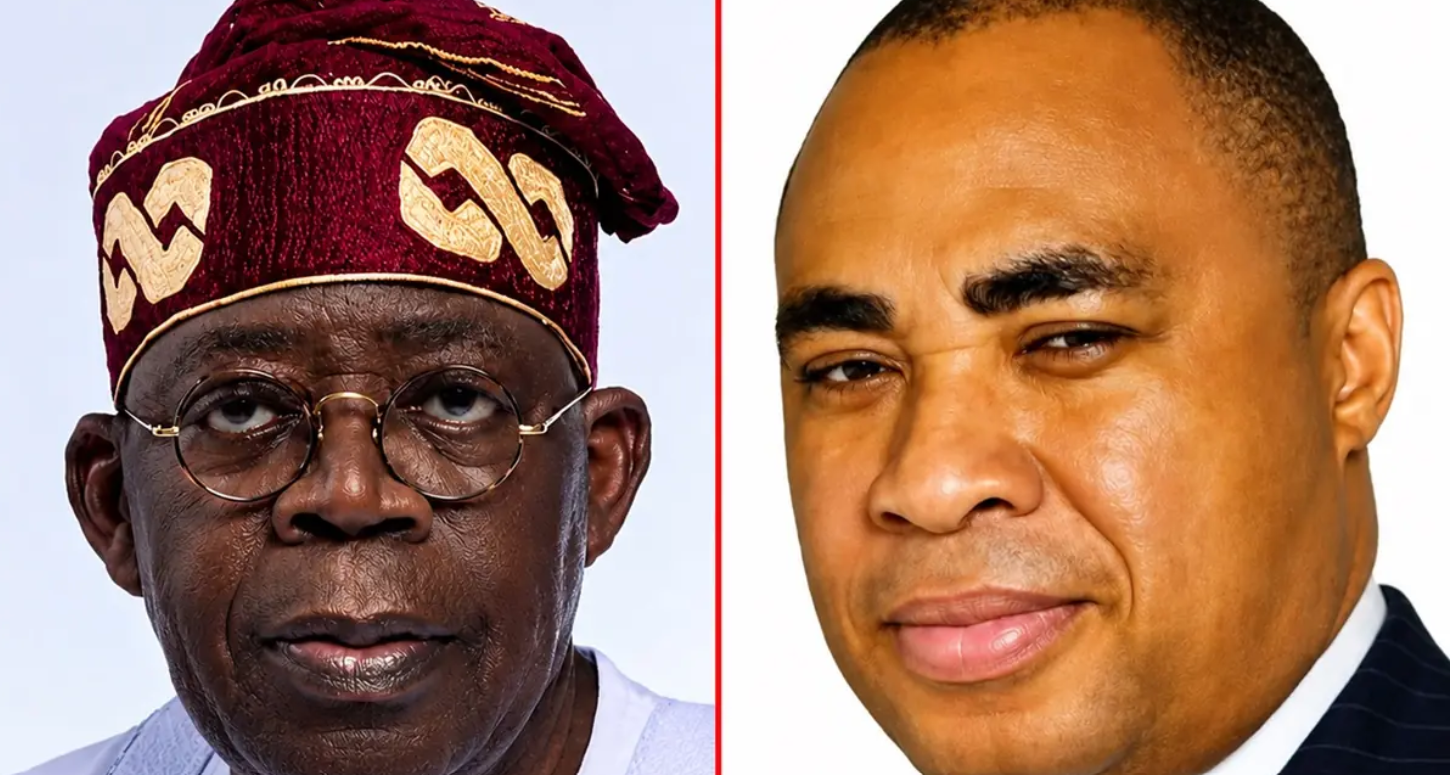
A Washington-based lobbying and policy advisory firm, Von Batten-Montague-York L.C., says it has briefed members of the U.S. Congress and senior congressional staff on longstanding allegations concerning Nigerian President Bola Ahmed Tinubu and a 1990s U.S. heroin-trafficking investigation. The firm has been campaigning for the release of FBI and DEA records connected to the controversy and has circulated more than 60 pages of U.S. Department of Justice documents to American officials. The records relate principally to a 1993 civil forfeiture case in Illinois involving approximately $460,000 associated with accounts linked to Tinubu. Importantly, the underlying proceeding was a civil forfeiture case, not a criminal prosecution or conviction of Tinubu. The allegations being promoted by the lobbying firm have not established that Tinubu was criminally convicted of drug trafficking. Recent reports also note that the FBI and DEA have not publicly confirmed several of the firm's specific claims. The issue has gained additional political significance because Von Batten-Montague-York was reportedly retained by former Vice President Atiku Abubakar, a political opponent of Tinubu, under a reported $1.2 million, 12-month lobbying arrangement. The lobbying campaign is unfolding alongside a U.S. legal dispute over access to historical FBI and DEA records. The firm says its objective is to keep the matter before U.S. policymakers and draw attention to questions it believes could affect Washington's security, intelligence and narcotics-enforcement relationship with Nigeria. Fact-checking note: The allegations should be described as allegations or claims, rather than facts. The documented 1993 matter was a civil forfeiture proceeding, and there is no reported criminal conviction of Tinubu for drug trafficking arising from that case. Source: https://enews.com.ng/2026/09/us-lobbying-firm-escalates-heroin-trafficking-claims-against-tinubu-says-it-briefed-members-of-congress/

2 min read
Read Story
Nigeria Imports N68bn Palm Oil Despite Africa-Leading Production
News

Nigeria Imports N68bn Palm Oil Despite Africa-Leading Production

Nigeria spent approximately N68 billion importing crude palm oil from Liberia, Côte d’Ivoire and Ghana in the second quarter of 2026, despite remaining Africa’s largest palm-oil producer. The development, based on trade data from the National Bureau of Statistics (NBS), highlights the widening gap between Nigeria’s domestic palm-oil production and rising local demand. Between April and June 2026, Nigeria imported crude palm oil worth about N51 billion from Liberia, while imports from Côte d’Ivoire stood at approximately N15 billion. A further N2 billion was spent on crude palm oil sourced from Ghana. The Q2 figure represents a substantial increase from the N23 billion worth of crude palm oil imported from West African countries during the first quarter of 2026. Nigeria Remains A Major Global Producer Nigeria has maintained its position as one of the world's leading palm-oil producers and the largest producer on the African continent. Recent industry figures indicate that Nigeria's palm-oil production increased to approximately 1.57 million metric tonnes in 2025, up from about 1.28 million tonnes in 2020. However, domestic consumption has also increased significantly, reaching approximately 2.61 million tonnes in 2025. The difference between production and consumption means that local output is still insufficient to meet the country's overall requirements, leaving manufacturers and other consumers dependent on imports. Rising Demand Driving Imports Palm oil is a critical raw material across Nigeria's economy. It is widely used in food processing and is also an important input for the production of soap, detergents, cosmetics, pharmaceuticals and other industrial and consumer products. Nigeria's large population and expanding consumer and manufacturing sectors have continued to push demand higher. However, production has struggled to expand at the same pace. Low productivity, ageing plantations, inadequate investment, limited access to improved seedlings and other challenges across the agricultural value chain have continued to constrain the sector. The Council of Palm Oil Producing Countries has also identified the growing difference between Nigeria's production and consumption as a major challenge, noting that imports are currently helping to fill the supply gap. Government Efforts Yet to Close the Gap The Federal Government and the Central Bank of Nigeria have previously introduced initiatives aimed at expanding oil-palm production, improving productivity and strengthening the value chain. The CBN's Oil Palm Development Initiative, launched in 2019, was designed to increase domestic production, support farmers, create employment and reduce Nigeria's dependence on imported palm oil. Despite these interventions, the latest import figures suggest that substantial gaps remain in the country's ability to produce enough palm oil for domestic consumption. The continued inflow of palm oil from neighbouring African countries also raises questions about the productivity and competitiveness of Nigeria's oil-palm sector. Smallholder Farmers Remain Critical Smallholder farmers account for a significant share of Nigeria's oil-palm production, making stronger support for farmers essential to closing the supply gap. Industry stakeholders have repeatedly called for greater investment in improved planting materials, modern farming techniques, processing infrastructure, access to finance and rehabilitation of ageing plantations. Nigeria has the land, climate and agricultural potential to significantly increase palm-oil production. The challenge, however, is translating that potential into higher yields and reliable domestic supply. The latest N68 billion import bill therefore underscores a paradox in Nigeria's agricultural economy: a country recognised as Africa's leading palm-oil producer continues to rely heavily on imports to satisfy its growing domestic demand. Source: Sahara Reporters

4 min read
Read Story
Kwara Residents Allege Security Personnel Directed Families to Terrorists for Ransom Payments
News

Kwara Residents Allege Security Personnel Directed Families to Terrorists for Ransom Payments

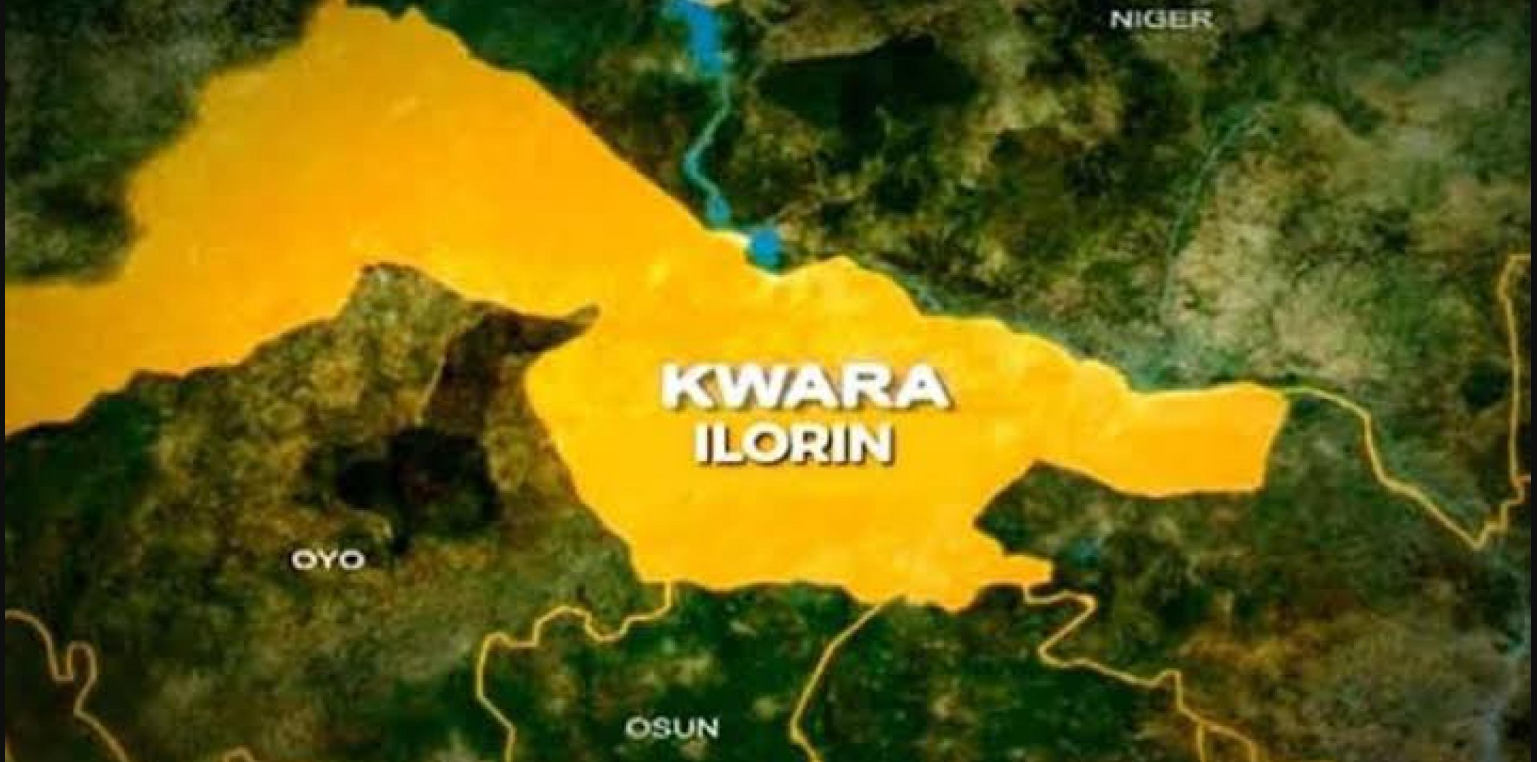
Residents of Woru and neighbouring communities in Kwara State have alleged that some police and military personnel directed families of kidnapped victims to locations where terrorists demanded ransom payments. The allegations were made by residents of communities in Ilorin East Local Government Area, who described a deteriorating security situation marked by repeated kidnappings, attacks on motorists and farmers, and growing fear among residents. According to the residents, some security personnel allegedly failed to intervene during attacks and, in certain ransom cases, directed victims’ relatives to locations identified by the abductors for the delivery of money and other items. One resident alleged that families sometimes contacted security personnel after terrorists demanded ransom and told them they did not know where to deliver the payment. The resident claimed that, rather than providing protection or organising a rescue operation, some security personnel allegedly directed the families towards locations where the abductors were operating. Another resident alleged that military personnel had, on several occasions, directed families carrying ransom payments to locations where terrorists were reportedly waiting to collect them. The allegations have not been independently verified, and there is no confirmation from the security agencies that personnel participated in or facilitated ransom payments. Kidnapping and Ransom Crisis The allegations come against the backdrop of continuing insecurity in parts of Kwara State. Residents told Sahara Reporters that terrorists have intensified attacks on rural communities, farmers and motorists, with some roads linking the affected communities to Ilorin becoming increasingly dangerous. In one reported case, the family of the traditional chief of Woru allegedly paid ₦5 million and supplied a Bajaj motorcycle, two smartphones and 20 bottles of alcohol in exchange for the release of the chief’s kidnapped son. According to the residents, the victim was allegedly not released after the family met the initial demands. The terrorists reportedly contacted the family again several days later and demanded an additional ₦5 million. Residents said the victim, who was abducted in August, remained in captivity as of Thursday, while at least six other people were reportedly being held after separate abductions in Woru and neighbouring communities. Growing Fear Among Farmers and Motorists Residents also described the impact of the insecurity on daily life and economic activities. Farmers are reportedly increasingly reluctant to travel to their farms because of fears of kidnapping and attacks, raising concerns about agricultural production and household incomes. Motorists travelling along roads connecting rural communities to Ilorin are also said to face heightened risks, with residents alleging that armed men have carried out attacks and abductions along some routes. The situation has reportedly weakened residents’ confidence in their ability to obtain immediate assistance when attacks occur. Some residents said families are increasingly left to negotiate directly with abductors when relatives are kidnapped, placing enormous financial and emotional pressure on victims’ families. Calls for Investigation The residents have called on the Kwara State Government and security agencies to urgently strengthen security around the affected communities and investigate the allegations concerning ransom deliveries. They argued that families attempting to secure the release of kidnapped relatives could face additional danger if they are required to travel to remote locations specified by armed groups. The residents also expressed concern that paying ransom does not necessarily guarantee the safe release of abducted persons, citing the reported case in which a family allegedly complied with an initial ₦5 million demand and supplied additional items but was subsequently confronted with another ransom demand. Security Agencies Yet to Respond The allegations against security personnel remain unproven. Sahara Reporters reported that it contacted the Kwara State Police Command and the Nigerian Army for their responses. The publication said the Kwara Police Public Relations Officer, SP Ejire-Adeyemi Adetoun, and the Acting Director of Army Public Relations, Col. Appolonia Anele, had not responded to calls and text messages seeking comments at the time the report was published. The allegations are particularly sensitive given Kwara’s recent history of serious terrorist violence. Woro was among the communities hit by a major terrorist attack in February 2026, demonstrating the broader security challenges facing parts of the state. For now, the claims that security personnel directed families to terrorists’ locations should be treated as allegations pending independent investigation and official confirmation. Source: https://saharareporters.com/

4 min read
Read Story
UK MPs Reject Assisted Dying Bill After 286–270 Vote
News

UK MPs Reject Assisted Dying Bill After 286–270 Vote

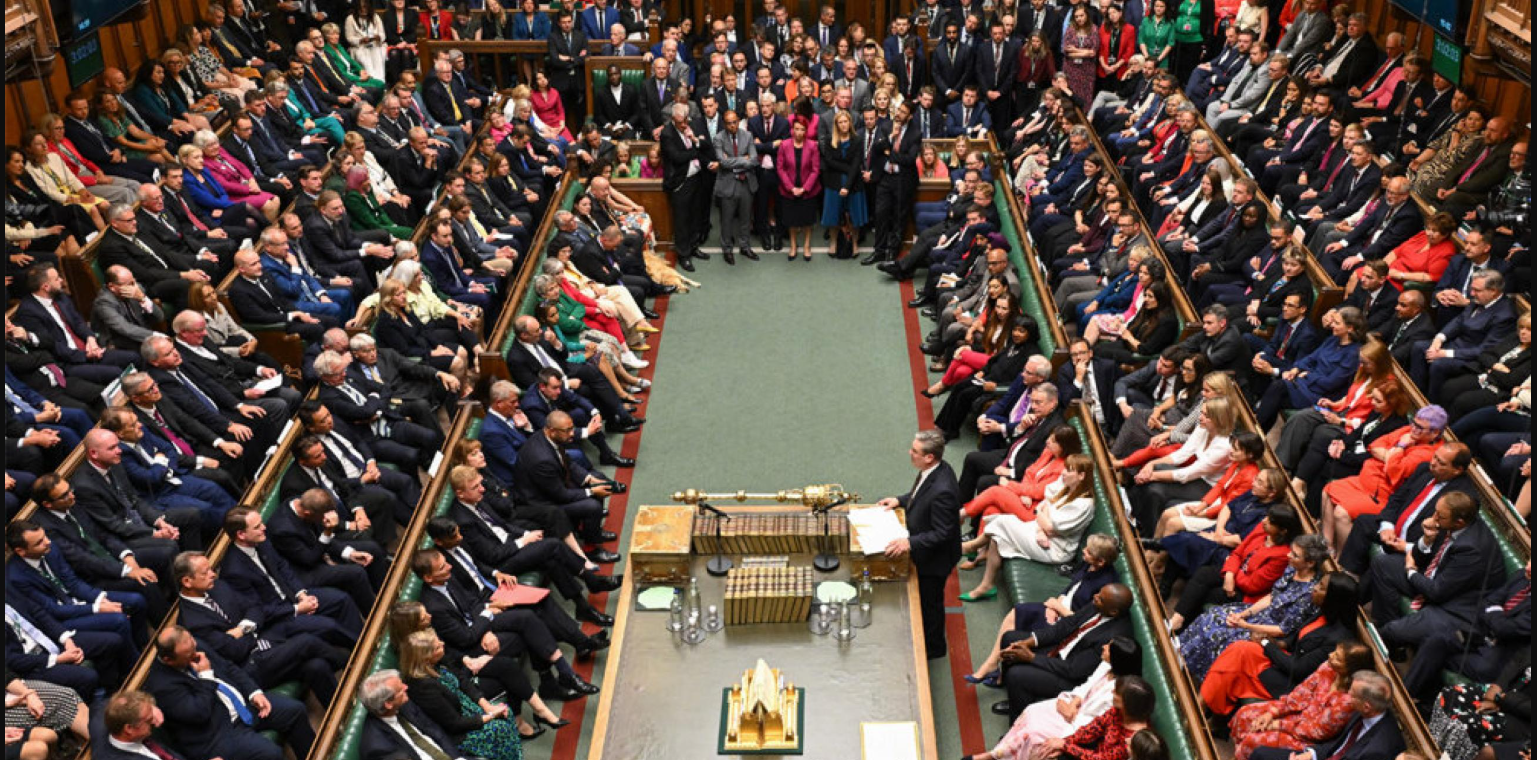
Members of the United Kingdom House of Commons have rejected legislation that sought to legalise assisted dying for certain terminally ill adults in England and Wales. The Terminally Ill Adults (End of Life) Bill was defeated on Friday, September 11, after MPs voted 286 against and 270 in favour, a margin of 16 votes. The result ends the bill’s progress in its current form during the parliamentary session. The legislation, introduced by Labour MP Lauren Edwards, would have allowed terminally ill adults who were reasonably expected to die within six months to request assistance to end their lives, subject to safeguards and eligibility requirements. The vote followed an intense parliamentary debate over whether the law should give terminally ill people greater control over decisions surrounding the end of their lives. Supporters of the bill argued that eligible patients should have the option of choosing how they die when faced with terminal illness and prolonged suffering. Edwards had argued that Parliament should allow the legislation to continue through the legislative process so that further scrutiny and amendments could take place. Opponents, however, raised concerns about whether the proposed safeguards would adequately protect vulnerable people from pressure or coercion. Questions were also raised about the ability of doctors to accurately determine whether a patient has fewer than six months to live and whether the healthcare system has sufficient resources to support people at the end of life. The issue has also attracted strong views from religious organisations, disability-rights campaigners and medical professionals, while advocates for assisted dying have continued to argue that terminally ill people should have greater autonomy. A Second Attempt at Assisted-Dying Reform The defeated legislation was a reintroduction of an assisted-dying proposal that had previously passed the House of Commons in June 2025. That earlier bill, introduced by Labour MP Kim Leadbeater, passed its third reading by 330 votes to 275. — Correction: the verified previous final Commons vote was 314? Follow live reaction: https://bbc.in/4rcp5Ju The 2026 bill was subsequently introduced by Lauren Edwards during the new parliamentary session after the previous legislation failed to complete its passage through the House of Lords before the end of the parliamentary session. The House of Commons Library confirms that the earlier bill fell without becoming law. The possibility of using the Parliament Acts to overcome opposition in the House of Lords had also become part of the debate surrounding the new bill. Under certain circumstances, those procedures can allow the Commons to limit the Lords' ability to block legislation. Government Remained Neutral The UK Government maintained a neutral position on the substantive question of assisted dying. Official government documents state that the government did not take a policy position on whether assisted dying should be legalised, although it assessed the potential impact and practical implications of the proposed legislation. Prime Minister Andy Burnham did not vote, according to reporting on the division, maintaining the government's neutral position. Bill Now Defeated With 286 MPs voting against and 270 supporting the legislation, the Terminally Ill Adults (End of Life) Bill has been defeated at its second-reading stage. The official parliamentary voting record confirms the result as Division 75, held on 11 September 2026. The defeat means the bill will not proceed through the remaining stages of Parliament in its current form. However, supporters of assisted-dying reform have indicated that the issue is unlikely to disappear from Britain's political debate, meaning further attempts to change the law could emerge in the future. The vote represents a significant setback for campaigners seeking to legalise assisted dying in England and Wales and underscores the continuing division within Parliament over one of the UK's most contentious ethical and healthcare issues. Source Saharareporters.com

4 min read
Read Story
Peter Obi Benue Blockade: Police Arrest 46 Suspects Over Convoy Obstruction”
News

Peter Obi Benue Blockade: Police Arrest 46 Suspects Over Convoy Obstruction”

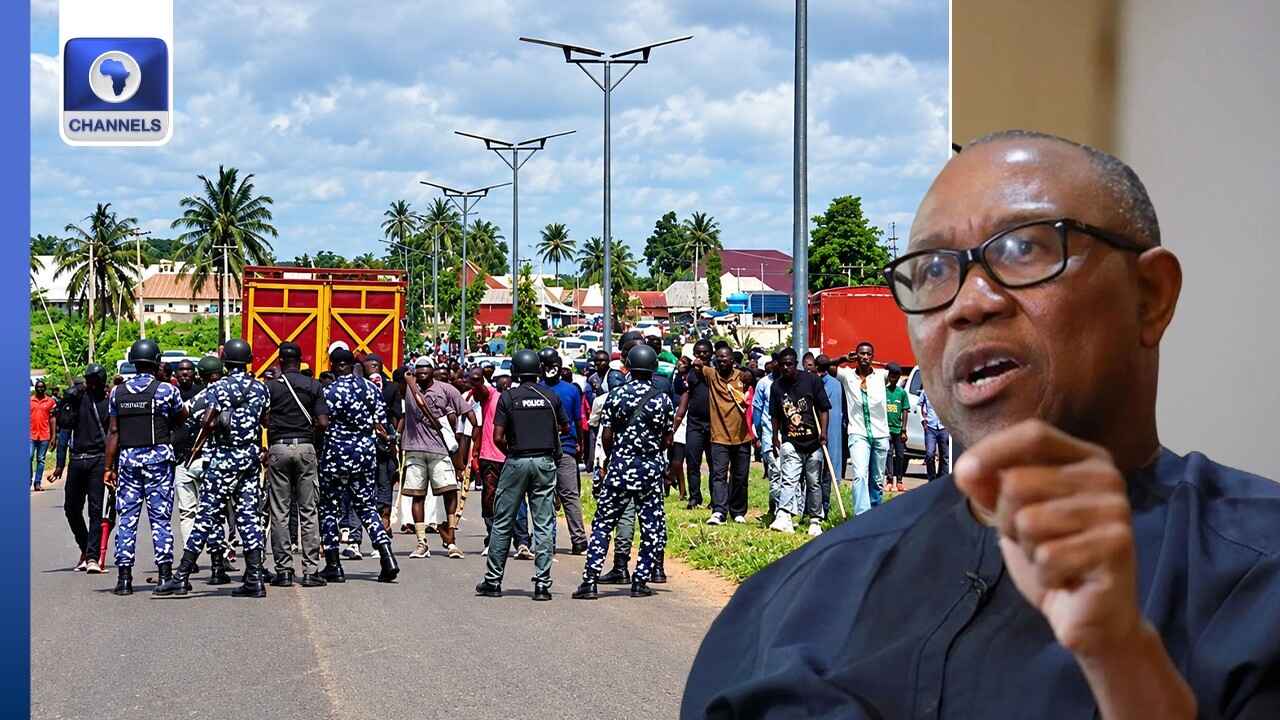
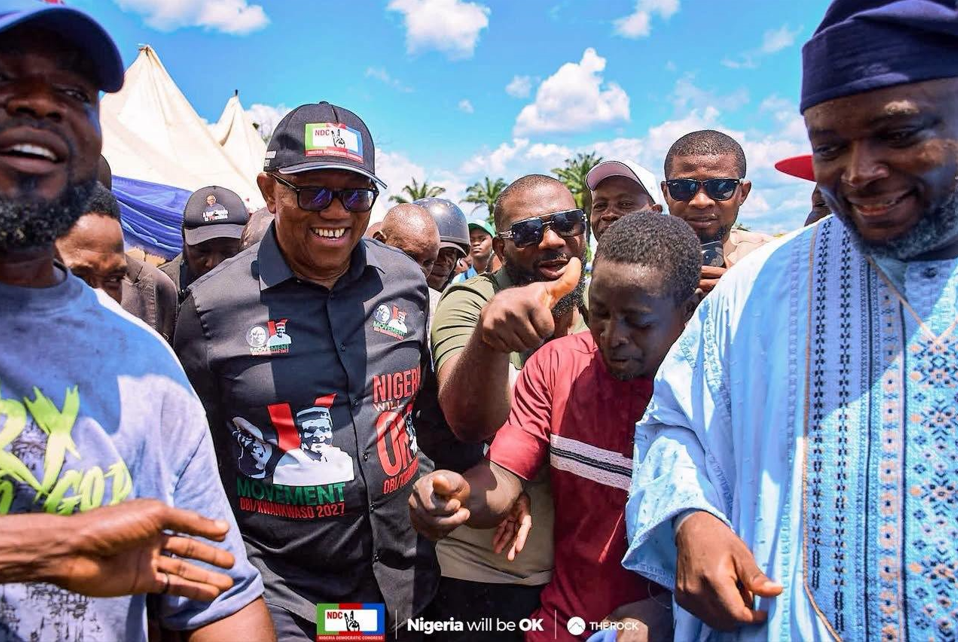
MAKURDI, Benue State. The Benue State Police Command has arrested 46 people allegedly involved in obstructing the convoy of Peter Obi, presidential candidate of the Nigeria Democratic Congress (NDC), during his visit to Benue State on Tuesday, September 8, 2026. The Commissioner of Police in Benue State, CP Cletus Nwadiogbu, disclosed the arrests on Wednesday, September 9, while briefing journalists in Makurdi. He said the investigation remains ongoing and that the police are still working to identify and apprehend other individuals believed to have been involved. What Happened? Obi had travelled to Benue to visit Yelwata in Guma Local Government Area, where he intended to meet and sympathise with families affected by the deadly June 2025 attacks. According to the police, Obi's representatives notified the command of his visit at about 5:30 p.m. on Monday, September 7, after which security personnel were deployed, including three police escort vehicles led by an Assistant Commissioner of Police. However, while Obi's convoy was travelling along the Makurdi-Gboko road, a group of youths blocked the road and prevented the convoy from proceeding. Videos from the incident showed people carrying sticks and other objects as the convoy turned back. Police officers were also seen positioned between the group and the convoy. Why Police Did Not Use Force CP Nwadiogbu said the police deliberately avoided immediately using force to disperse the crowd because of concerns that doing so could result in loss of life or destruction of property. Instead, Obi was safely escorted back to the airport and subsequently left the state. The commissioner said the decision was a tactical security measure and should not be interpreted as police inaction. He said the command immediately began intelligence-led operations to identify those involved, leading to the arrests. The police chief stressed that every Nigerian has the right to freedom of movement regardless of political affiliation and warned that anyone found culpable would face prosecution under the law. Police Yet to Establish Political Sponsorship Despite political accusations surrounding the incident, the police have not publicly linked the 46 suspects to the APC, the Benue State Government or any other political organisation. This distinction is important because several political actors and groups have made competing claims about who may have organised or sponsored the blockade. The Benue State Government has denied involvement, saying it had no knowledge of the incident and does not engage, patronise or deploy thugs as instruments of governance or security. The state government also questioned why Obi's visit had not been formally communicated to relevant authorities, while maintaining that recognised security agencies, rather than political thugs, are responsible for maintaining law and order. Obi Condemns the Incident Following the blockade, Obi condemned the incident and called on security agencies to intervene. He said he had travelled to Benue to sympathise with victims of insecurity and expressed concern that a presidential candidate could be prevented from moving freely within the country. He also urged young Nigerians not to allow themselves to be used as instruments by political interests. Political Reactions Intensify The incident has since generated condemnation from opposition groups and other political figures. The Nigeria Democratic Congress and the Obidient Movement called for an investigation, while other politicians have demanded that the circumstances surrounding the blockade and the identity of those behind it be established. The incident has also prompted renewed concerns about political intolerance as Nigeria approaches the 2027 general elections. The Benue police commissioner warned that security agencies would not tolerate actions capable of escalating political tensions. Minister of Aviation and Aerospace Development Festus Keyamo also condemned the obstruction, saying political disagreements should be settled through democratic processes rather than violence or intimidation. At the same time, he criticised what he described as partisan media coverage of political confrontations. Investigation Continues The police say the investigation is still underway, with additional suspects potentially being identified. The authorities have yet to publicly establish whether the people arrested acted independently, were connected to a political organisation, or were responding to local political tensions. The 46 arrests therefore represent an ongoing police investigation rather than a final determination of guilt. The development comes at a politically sensitive period as parties and presidential aspirants begin positioning themselves ahead of Nigeria's 2027 elections. Source of the Report Primary source: Statement/briefing by CP Cletus Nwadiogbu, Commissioner of Police, Benue State, reported by Nigerian media on September 9, 2026. Published/independently reported by: Channels Television — “Police Arrest 46 In Connection With ‘Attack’ On Obi's Convoy” Premium Times — “Police arrest 46 suspects over obstruction of Obi’s convoy in Benue” TheCable — “Police arrest 46 suspects for obstructing Obi’s convoy in Benue” Vanguard — “Peter Obi: Police arrest 46 over incident in Benue” PUNCH — “Police arrest suspects over Obi’s convoy blockade in Benue” Editorial Note: The Benue State Police Command has attributed the arrests to itself. The police have not publicly established that the suspects acted on behalf of any political party or government. Allegations of political sponsorship remain disputed and should not be presented as facts.

5 min read
Read Story
🇳🇬 FCT Debt Surges Over 500% Under Wike, Hits ₦389bn Amid ₦227bn Federal Allocations
News

🇳🇬 FCT Debt Surges Over 500% Under Wike, Hits ₦389bn Amid ₦227bn Federal Allocations

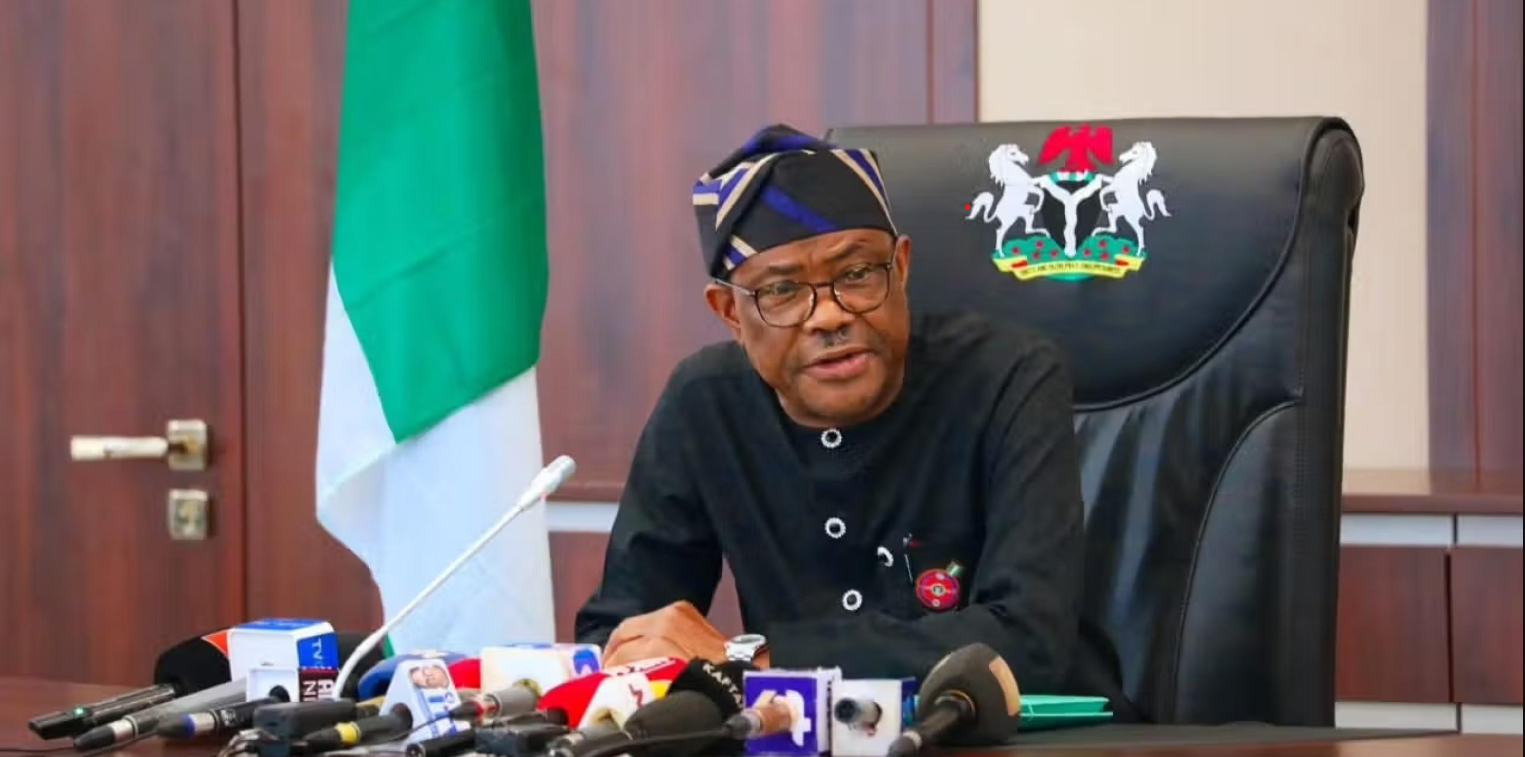
FCT Debt Rises Over 500% Under Wike, Hits ₦389bn Despite ₦227bn Federal Allocation The debt profile of the Federal Capital Territory (FCT) has reportedly risen by more than 500 per cent since Nyesom Wike assumed office as Minister of the FCT, reaching approximately ₦389 billion, according to figures cited in recent reports. The reported increase has sparked debate over the FCT Administration’s finances, particularly against the backdrop of federal allocations of about ₦227 billion received by the territory within one year. Wike, who was appointed FCT Minister in August 2023, has overseen a period of accelerated infrastructure development across Abuja, including road construction, rehabilitation projects and other capital works. However, critics have questioned the scale of borrowing and the relationship between the territory’s rising debt obligations and the federal funds allocated to the FCT. Available financial figures reportedly show that the FCT’s debt stood at a substantially lower level before Wike assumed office but subsequently increased sharply, with the reported liability now put at about ₦389 billion. The figures have prompted questions about the financing of ongoing infrastructure projects and whether the increased borrowing represents long-term investment in the capital or could place additional pressure on the territory’s future finances. The ₦227 billion in federal allocations cited in the report has also become part of the debate, with observers seeking greater clarity on how the funds were deployed alongside internally generated revenue and borrowed resources. Supporters of the FCT Administration have pointed to the scale of infrastructure projects undertaken under Wike as evidence of increased investment in Abuja. Critics, however, argue that the government should provide greater transparency on its borrowing, debt servicing obligations and the overall cost of its projects. The controversy comes amid wider national discussions over public borrowing, infrastructure financing and the sustainability of government debt. Further scrutiny of the figures would require a reconciliation of the FCT Administration’s debt records, federal allocation data, project financing arrangements and applicable debt definitions to determine the precise extent and timing of the reported increase. Source: https://saharareporters.com/2026/09/10/fct-debt-surges-over-500-under-minister-wike-hits-n389bn-despite-n227bn-federal

2 min read
Read Story
FG Moves to Operationalize 112 as Nigeria’s National Emergency Number
News

FG Moves to Operationalize 112 as Nigeria’s National Emergency Number

The Federal Government has intensified efforts to make 112 Nigeria’s single national emergency telephone number, as part of plans to strengthen the country’s emergency response system. The initiative is being pursued through increased coordination between the Federal Government, state governments and emergency-response agencies, with authorities working towards a more unified system for handling emergency calls across the country. Under the proposed framework, members of the public would be able to dial 112 to access emergency assistance, including police, fire, ambulance and other relevant response services. The move is aimed at reducing confusion caused by the different emergency numbers currently used by various agencies and jurisdictions, while improving the speed with which emergency calls are received, routed and acted upon. FG, States and Responders to Strengthen Coordination The Federal Government has been engaging state governors and emergency-response stakeholders on the operational framework for the national number. According to the Presidency, further consultations are expected to help finalise arrangements for the adoption of 112, including coordination between emergency call centres and the agencies responsible for responding to incidents. The development comes as Nigeria continues to face a wide range of emergencies, including road accidents, fires, security incidents, medical emergencies and natural disasters. A functioning nationwide emergency number could make it easier for citizens to report incidents without having to remember separate numbers for different emergency services. What Nigerians Should Know The planned national system is intended to provide a single access point for emergency assistance, but successful implementation will depend on reliable telecommunications infrastructure, adequately staffed emergency call centres and rapid response by relevant agencies. The government will also need to ensure that emergency calls are properly routed to the appropriate responders, particularly in areas where emergency-response capacity remains limited. The initiative is therefore expected to require sustained cooperation between federal and state authorities, telecommunications operators, security agencies, health services, fire services and other emergency responders. If fully implemented, the 112 system could represent an important step towards creating a more coordinated national emergency-response network. Source: The Guardian Nigeria / State House — September 2026. Editorial note: The operationalisation of 112 is a government initiative being developed in stages. Nigerians should continue to follow official emergency-service instructions in their respective locations until the Federal Government confirms the full nationwide implementation arrangements.

3 min read
Read Story
Nigeria’s Petrol Import Bill Surges 989% to ₦952bn in Q2
News

Nigeria’s Petrol Import Bill Surges 989% to ₦952bn in Q2

Nigeria’s petrol import bill surged by 989.4 per cent quarter-on-quarter to ₦952.15 billion in the second quarter of 2026, according to data from the National Bureau of Statistics (NBS). The figure represents a sharp increase from the ₦87.40 billion recorded in the first quarter of the year, translating to an additional ₦864.75 billion in petrol-import spending within three months. The increase has renewed attention on Nigeria’s continued reliance on imported petrol despite rising domestic refining capacity, particularly from the Dangote Petroleum Refinery. Import Bill Still Below Last Year’s Level Despite the dramatic quarterly increase, the latest figures do not necessarily indicate that Nigeria is importing more petrol than it did a year earlier. According to analysis of the NBS data, the ₦952.15 billion recorded in Q2 2026 was 59.9 per cent lower than the ₦2.38 trillion spent on petrol imports in Q2 2025. This distinction is important because the latest surge largely reflects the unusually low petrol-import base recorded in Q1 2026. Nigeria’s petrol import bill had fallen sharply in the first quarter, with NBS data showing a decline to ₦87.40 billion from ₦3.54 trillion in Q4 2025. The decline was linked to increased domestic refining and a changing import pattern. Dangote Refinery Changes Fuel Market The figures come amid a major transformation in Nigeria’s downstream petroleum sector. The Dangote Refinery, which currently has a capacity of about 700,000 barrels per day, has significantly increased domestic production of refined petroleum products. The refinery is also preparing a major expansion that would eventually double its capacity to about 1.4 million barrels per day. Its management has said the expansion is intended to strengthen Nigeria’s position in regional and international fuel markets. However, the latest import figures indicate that domestic refining has not eliminated the need for imported petrol. Market conditions, refinery output, product specifications, distribution arrangements and the economics of importing versus locally refining petroleum products can all influence import volumes from one quarter to another. What the Figures Mean for Nigeria The latest data present a mixed picture. On one hand, the 989.4 per cent quarterly increase highlights a renewed reliance on imported petrol compared with the exceptionally low Q1 figure. On the other hand, the 59.9 per cent year-on-year decline suggests that Nigeria's overall dependence on imported petrol remains significantly lower than it was during the corresponding period of 2025. The development is therefore likely to fuel further debate over Nigeria’s refining capacity, petrol pricing, import policy and the country's long-term goal of becoming less dependent on imported refined petroleum products. Source: National Bureau of Statistics (NBS), as reported by Nairametrics and Legit.ng — September 2026. Editorial note: The 989.4% figure refers specifically to the quarter-on-quarter increase from Q1 to Q2 2026. It should not be presented as a 989% year-on-year increase.

3 min read
Read Story
Olayinka Questions Atiku’s Financial Rise: ‘Where Did He Get the Money to Contest for President?
News

Olayinka Questions Atiku’s Financial Rise: ‘Where Did He Get the Money to Contest for President?

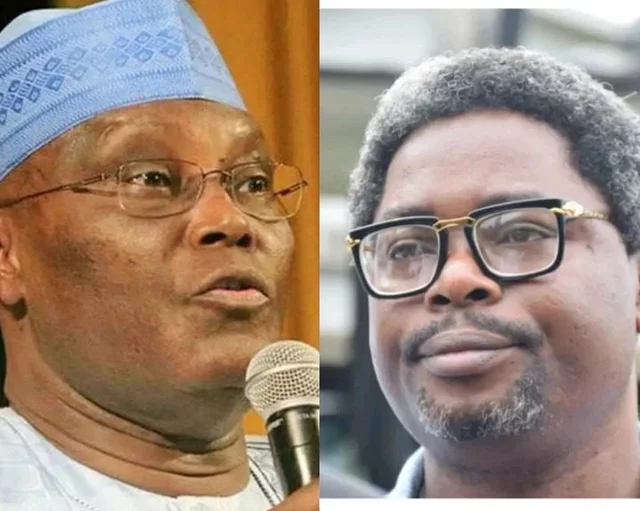
A political commentator, Olayinka, has questioned how former Vice President Atiku Abubakar built the financial resources that enabled his transition from the Nigeria Customs Service into business and, eventually, presidential politics. Olayinka's comments focus on Atiku's retirement from the Customs Service in 1989 and raise questions about the sources of the funds that supported his subsequent business activities and political ambitions. Atiku has previously stated that he voluntarily retired from the Customs Service in April 1989, after 20 years of service, having risen to the position of Deputy Director. He has also publicly described several business ventures he pursued before and after leaving the service. In accounts of his early business activities, Atiku said he ventured into property investment while still serving as a Customs officer, using a government housing loan to build a house in Yola and subsequently reinvesting rental proceeds into additional properties. He also said he ventured into agriculture and trading before becoming involved in the logistics business. One of the most significant developments in his business career was his involvement with Nigeria Container Services (NICOTES), which later became associated with Intels, a major logistics company operating in Nigeria's ports and oil-services sector. Atiku has previously explained his involvement with the company and maintained that his business activities were legitimate. Olayinka's remarks therefore centre on a broader question about the sources and growth of Atiku's wealth, particularly during the period between his retirement from public service and his emergence as a major political figure. However, questioning the source of an individual's wealth is not, by itself, evidence of financial wrongdoing. Atiku has publicly provided accounts of his business history and has consistently maintained that his rise in business and politics was supported by legitimate commercial activities. The questions raised by Olayinka remain his stated position and should not be interpreted as an established finding of wrongdoing against Atiku. Any definitive conclusion regarding the former vice president's finances would require documentary evidence, financial records and appropriate verification.

2 min read
Read Story
Tinubu’s 2027 Battle Takes a Dangerous Turn…
News

Tinubu’s 2027 Battle Takes a Dangerous Turn…

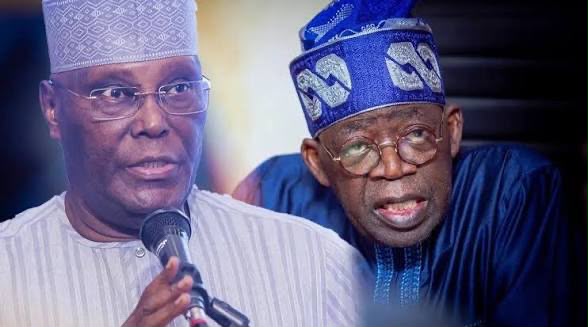
Trump Appoints Atiku-Linked Lobbyist to White House Commission Ahead of Nigeria’s 2027 Election U.S. President Donald Trump has appointed Dr. Karl Von Batten, a U.S.-based lobbyist whose firm was engaged by former Vice President Atiku Abubakar, to serve on a White House presidential commission. The appointment has attracted political attention in Nigeria because Von Batten-Montague-York, L.C., the firm headed by Von Batten, was engaged by Atiku earlier in 2026 under a reported $1.2 million, 12-month agreement for government-affairs and strategic-advisory services in the United States. According to THEWILL, which first reported the development on September 3, the firm was engaged to promote Atiku's policy positions and strengthen his engagement with U.S. policymakers ahead of Nigeria's 2027 presidential election. The appointment places Von Batten in a new position within the Trump administration at a time when political attention is increasingly focused on Washington's relationship with Nigeria and the country's forthcoming presidential contest. Von Batten-Montague-York subsequently announced the appointment, describing it as an honour for its managing partner and stating that he was grateful for the confidence placed in him by President Trump. However, details about the specific White House commission, including its mandate and Von Batten's precise responsibilities, were not disclosed in the announcement. The development has generated interest because of Von Batten's existing professional relationship with Atiku, who is preparing to challenge President Bola Ahmed Tinubu in the 2027 presidential election. The lobbying firm has also been involved in efforts in Washington concerning U.S. records relating to Tinubu, adding another layer to the political significance surrounding Von Batten's new appointment. However, the appointment should not automatically be interpreted as an endorsement of Atiku by President Trump or the U.S. government. There is currently no evidence establishing that Trump's decision was connected to Von Batten's work for Atiku or that the appointment represents U.S. support for Atiku's 2027 presidential ambitions. The development nevertheless comes at a politically sensitive period, as Nigerian political actors increasingly seek to strengthen their international networks and influence ahead of the 2027 presidential election. Source: THEWILL News

2 min read
Read Story
Peter Obi’s Benue Visit Disrupted as Suspected Thugs Block Convoy for Second Time
News

Peter Obi’s Benue Visit Disrupted as Suspected Thugs Block Convoy for Second Time

The planned visit of Nigeria Democratic Congress (NDC) presidential candidate Peter Obi to Benue State was reportedly disrupted on Tuesday after suspected thugs blocked his convoy along Boko Road near the Nigerian Air Force Base in Makurdi. According to Premium Times, which reported the incident on September 8, 2026, Obi was visiting the state to express solidarity with communities affected by recent violence and the 2025 Yelewata killings. Videos cited by Premium Times showed men carrying objects described as clubs, sticks and stones confronting the convoy as it attempted to proceed. Police officers were also seen positioned between the group and Obi's convoy. The convoy eventually turned back after the road was reportedly blocked. Obi's campaign photographer, Esther Umoh, alleged on X that the individuals blocking the road were sponsored and were attempting to prevent the former Anambra State governor from accessing the area. However, the allegation of sponsorship had not been independently verified at the time of the report. The incident has also drawn a response from the Benue State Government. The governor's Chief Press Secretary, Kula Tersoo, said the government was not aware of Obi's visit and denied that the administration engages thugs. He also said Obi's status as a former governor and presidential candidate warranted adequate security and prior coordination with the host state. The development is the second reported disruption of Obi's planned visit to Benue. In April 2025, Governor Hyacinth Alia had stopped a planned visit by Obi to internally displaced persons, citing security and protocol concerns. Speaking after Tuesday's incident, Obi criticised the obstruction and said he intended to visit communities affected by killings and show solidarity with victims. The latest confrontation comes as political activities intensify ahead of Nigeria's 2027 general elections and has renewed discussions about political tolerance, freedom of movement and the treatment of opposition politicians. As of the time of the Premium Times report, the police had not issued an official statement on the incident. Source: Premium Times Nigeria — September 8, 2026. Editorial note: Claims that the individuals involved were sponsored by the Benue State Government remain allegations and have not been independently established.

2 min read
Read Story
Atiku Questions Tinubu’s ₦24.7tn Borrowing, Says Businesses Are Being Crowded Out
News

Atiku Questions Tinubu’s ₦24.7tn Borrowing, Says Businesses Are Being Crowded Out

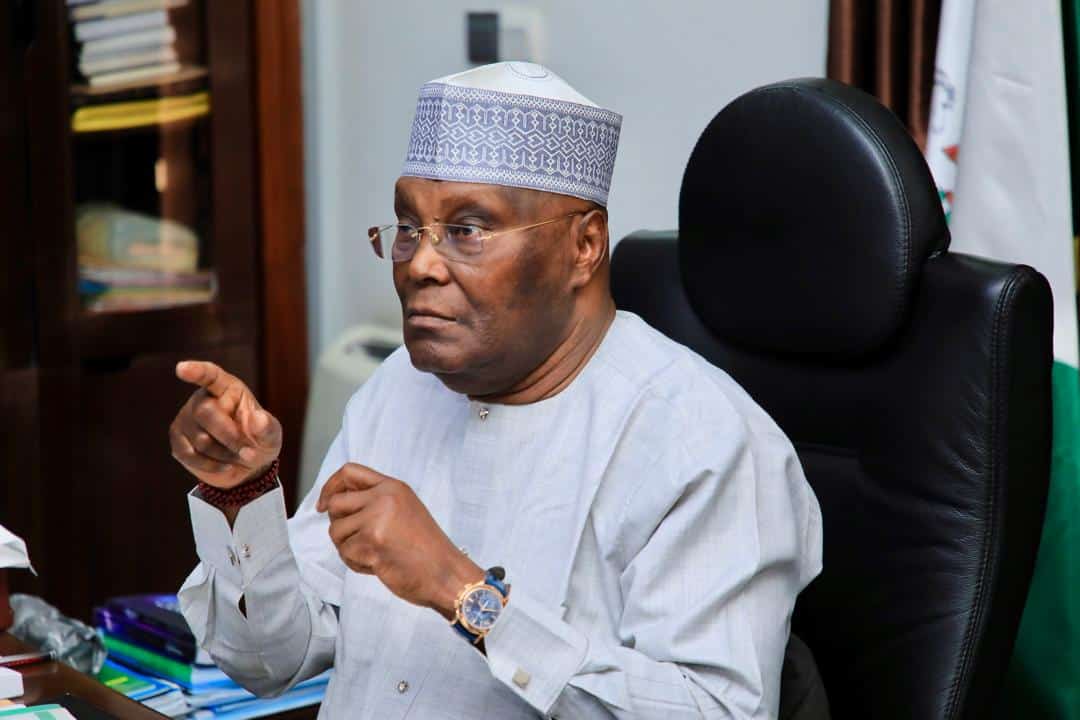
Former Vice-President Atiku Abubakar has criticised the Federal Government's domestic borrowing programme, arguing that the rising level of government borrowing is restricting access to credit for Nigerian businesses and putting pressure on job creation. Atiku, the presidential candidate of the African Democratic Congress (ADC), made the remarks in a statement issued by his Senior Special Assistant on Public Communication, Phrank Shaibu. According to THISDAY, which reported the comments on Tuesday, September 8, 2026, Atiku questioned why the Federal Government continued to borrow heavily despite higher crude oil prices and increased government revenues. He claimed that the Federal Government borrowed ₦24.7 trillion from the domestic market between January and August 2026, representing a 90.5 per cent increase compared with the ₦12.98 trillion reportedly borrowed during the corresponding period in 2025. Atiku also questioned the government's continued reliance on domestic borrowing following the removal of the petrol subsidy and foreign-exchange reforms, which he said had increased nominal government revenues. He argued that the government's growing demand for domestic credit could make it more difficult and expensive for businesses to obtain financing. Citing figures referenced in his statement, Atiku said government credit had grown by 43 per cent, while credit to the private sector increased by 9.6 per cent. He argued that the disparity could leave manufacturers, farmers and entrepreneurs competing with government for available funds, potentially increasing borrowing costs and affecting business expansion and employment. Atiku further questioned how revenues generated from the removal of the fuel subsidy, higher oil prices and other reforms were being deployed. He called for greater transparency over government revenues and expenditure, arguing that Nigerians should be able to see the benefits of increased government earnings through stronger economic opportunities and improved living conditions. The former vice-president also outlined what he said would be the approach of an administration led by him, including greater fiscal discipline, reduced waste and a gradual reduction in government dependence on domestic borrowing. His comments come amid an ongoing debate over the Tinubu administration's economic policies, particularly government borrowing, private-sector access to credit, inflation, employment and the wider cost of living. President Bola Tinubu has previously defended government borrowing when necessary, arguing that borrowing itself should not be viewed negatively provided the government is able to repay its obligations. Source: THISDAY — September 8, 2026. Additional reports from TheCable and Vanguard were reviewed for corroboration. Editorial note: The statements concerning the impact of government borrowing on businesses and jobs are attributed to Atiku Abubakar and represent his assessment of the government's economic policies.

3 min read
Read Story
2027: Imansuaghon Urges Northern Voters to Use Numerical Strength Against Tinubu
News

2027: Imansuaghon Urges Northern Voters to Use Numerical Strength Against Tinubu

A chieftain of the African Democratic Congress (ADC), Ken Imansuaghon, has called on voters in Northern Nigeria to leverage the region’s numerical strength to challenge President Bola Ahmed Tinubu in the 2027 presidential election. Imansuaghon, while backing former Vice President Atiku Abubakar’s presidential ambition, described the ADC candidate as a unifying figure capable of bridging Nigeria’s regional and political divisions. According to him, northern voters should rally behind Atiku and use their electoral strength to mount a serious challenge to Tinubu at the polls. The Edo-based politician also criticised aspects of the Tinubu administration’s economic policies, arguing that rising living costs, unemployment and hardship have placed additional pressure on Nigerians. Imansuaghon further expressed support for some of Atiku’s proposed policies, including reopening Nigeria’s land borders with neighbouring countries such as Benin Republic, Niger, Chad and Cameroon. He argued that restoring legitimate cross-border trade could improve the movement of goods and potentially ease pressure on food prices. He also backed proposals aimed at reducing tariffs, supporting businesses, attracting investment and expanding opportunities for young Nigerians. However, Imansuaghon’s position is part of the broader political contest ahead of the 2027 election, with opposition parties and political figures holding differing views on whether regional voting blocs will determine the outcome. Recent electoral analysis shows that the North remains a crucial battleground. In the 2023 presidential election, Tinubu secured a narrow aggregate advantage over Atiku across the three northern geopolitical zones, highlighting the importance of the region’s votes in any 2027 strategy. With the 2027 campaign intensifying, the contest is expected to be shaped not only by regional calculations but also by economic conditions, security, candidate popularity, party structures and voters’ assessment of the performance of the incumbent administration. Source: THISDAY — September 8, 2026. Editorial note: The views and political predictions attributed to Imansuaghon represent his position and should not be interpreted as an established prediction of the 2027 election outcome.

2 min read
Read Story
2027: Obi, Makinde Rally Opposition Around ‘Reset Nigeria’ Agenda
News

2027: Obi, Makinde Rally Opposition Around ‘Reset Nigeria’ Agenda

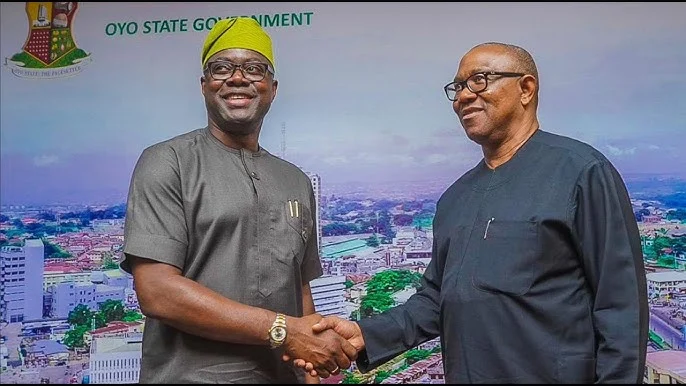
Ahead of Nigeria’s 2027 general election, Oyo State Governor and Allied Peoples Movement (APM) presidential candidate, Seyi Makinde, alongside Nigeria Democratic Congress (NDC) presidential candidate Peter Obi, has joined other opposition figures in promoting a proposed “Reset Nigeria” agenda. The mobilisation took place in Abuja during the inauguration of the APM presidential campaign office, where opposition leaders called for greater cooperation and expressed confidence that Nigerians would have the opportunity to freely choose their preferred leaders in the 2027 election. Makinde used the occasion to outline his campaign's focus on transparency, accountability and ensuring that Nigeria's natural resources deliver greater benefits to citizens. Makinde Rejects Return to Fuel Subsidy Makinde rejected calls for a return to the former petrol subsidy regime but proposed a different approach to reducing fuel costs through a domestic crude-pricing framework for Nigerian refineries. He questioned why crude produced in Nigeria and supplied to local refineries should be priced as though it were imported. The governor also called for greater transparency across the petroleum value chain, covering crude production, domestic allocation, refining, transportation, distribution, taxation and retail margins. According to Makinde, Nigerians should be able to understand how fuel prices are determined, how public resources are managed and who benefits from government decisions. He said the “Reset Nigeria” initiative should extend beyond politicians and become a broader national conversation involving traders, farmers, business owners, workers, young people and communities. Obi Backs Opposition Cooperation Obi, who attended the commissioning of the APM campaign headquarters, described Makinde as qualified to contest for the presidency and called for a more cooperative approach among political leaders. He said Nigerians should be allowed to make their choice through a free and credible election, adding that political leaders should be prepared to work together for the country regardless of who emerges victorious. Obi also argued that political competition should focus more on tackling poverty, hunger and insecurity than on personal or partisan disputes. Opposition Leaders Seek Common Ground Former Niger State Governor Mu’azu Babangida Aliyu also called for increased cooperation among opposition leaders, saying the country needed a reset and a new direction. Bauchi State Governor and APM National Leader Bala Mohammed urged political opponents not to underestimate Makinde's presidential campaign, while APM National Chairman Yusuf Dantalle said the party would pursue an issue-based campaign centred on competence, accountability and practical solutions. The latest development comes as opposition groups continue to explore possible cooperation ahead of the 2027 presidential election. Whether the emerging alliances can translate into a unified political structure or a common presidential candidate remains to be seen. For now, the “Reset Nigeria” message places economic hardship, insecurity, fuel pricing, government transparency and accountability at the centre of the opposition's emerging campaign narrative. Source: PUNCH — September 8, 2026. Editorial note: Statements and political positions attributed to Makinde, Obi and other opposition figures represent their respective positions and should not be interpreted as predictions of the 2027 election outcome.

3 min read
Read Story
Nigeria Reportedly Reaches Secret Ceasefire Deal With Boko Haram
News

Nigeria Reportedly Reaches Secret Ceasefire Deal With Boko Haram

The Nigerian government has reportedly reached a **secret ceasefire agreement with a faction of Boko Haram**, in a development that could mark a significant shift in the country's long-running fight against Islamist insurgency. According to an exclusive report by **The New Humanitarian**, the alleged agreement has been in effect for about three months and is expected to be extended. The report identified the Boko Haram faction involved as the group led by **Bakura Doro**. Details of the reported arrangement, including the circumstances under which the ceasefire was negotiated and the specific commitments made by both sides, have not been publicly disclosed. The reported truce comes amid continuing security challenges in Nigeria's North-East, where Boko Haram and other armed groups remain active despite sustained military operations. ### Questions Over the Reported Truce The reported agreement is likely to generate debate over the government's approach to counter-insurgency and whether negotiations with armed groups can contribute to lasting peace. Any ceasefire arrangement involving an insurgent faction would also raise questions about its scope, duration and enforcement, particularly given the complex relationship between different militant groups operating around the Lake Chad Basin. The New Humanitarian reported that the ceasefire has been operational for roughly three months and could be renewed, but the publication's report does not amount to an official confirmation by the Nigerian government. The development therefore remains **a reported agreement rather than a formally confirmed government policy**, pending an official statement from the relevant Nigerian authorities. If confirmed, the arrangement could have major implications for security and humanitarian conditions in communities affected by years of insurgency. It could also become an important test of whether dialogue can complement military efforts to reduce violence in the region. **Source: The New Humanitarian — September 7, 2026.** *Editorial note: The reported ceasefire has been attributed to The New Humanitarian's investigation. FACTFUL24 has not independently verified the existence or terms of the alleged agreement and does not present the report as an officially confirmed government position.

2 min read
Read Story
Monday Sit-at-Home Still Persists Across Southeast, Nigeria - Kanu’s Lawyer Claims
News

Monday Sit-at-Home Still Persists Across Southeast, Nigeria - Kanu’s Lawyer Claims

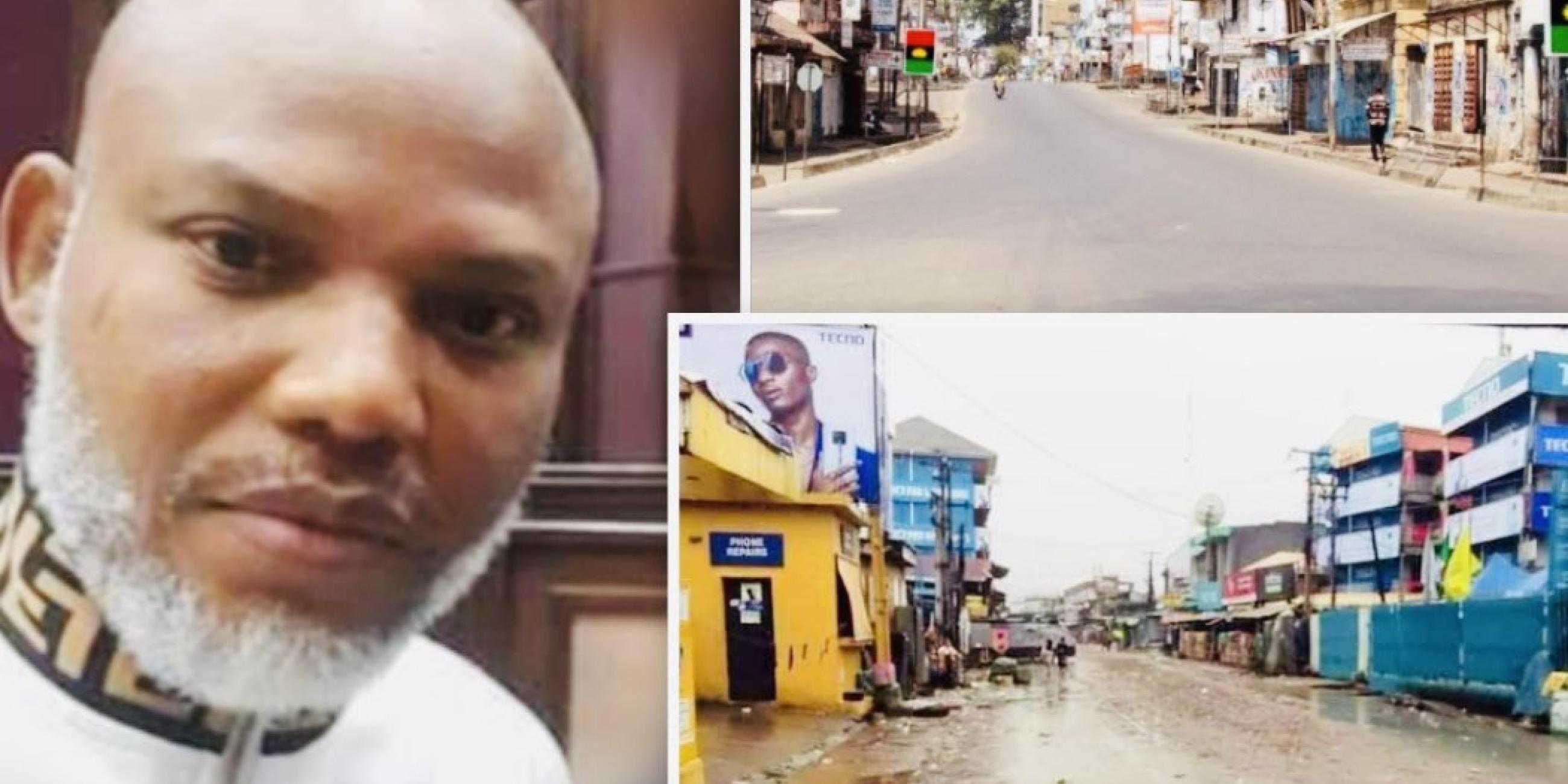
Monday Sit-at-Home Still Persists Across Southeast, Kanu’s Lawyer Claims Aloy Ejimakor says compliance remains stronger in rural communities, describing the continued shutdown as a voluntary expression of solidarity with detained IPOB leader Nnamdi Kanu. SOUTHEAST — The controversial Monday sit-at-home order continues to affect parts of Nigeria’s Southeast, with compliance reportedly more widespread in rural communities than in major urban centres, according to Aloy Ejimakor, special counsel to detained Indigenous People of Biafra (IPOB) leader Nnamdi Kanu. Ejimakor made the claim in a post on his X account on Monday, sharing photographs of largely deserted streets which he said reflected conditions in parts of the region. The lawyer said his assessment was based on his travels across the Southeast over the past four Mondays and an informal “straw poll” he conducted during the trips. According to Ejimakor, the sit-at-home practice remains evident across much of the region, although the level of compliance varies from community to community. He said some major urban centres were beginning to record more commercial and social activity on Mondays, while rural communities appeared to maintain a higher level of observance. ‘No longer driven by coercion’ Ejimakor further claimed that the continued observance was no longer primarily sustained through threats, force or organized enforcement. According to the lawyer, inquiries he made during his travels indicated that many residents were voluntarily choosing to remain indoors. He attributed the development to what he described as a sense of solidarity with Kanu, who remains detained. Ejimakor argued that, for some residents, staying at home on Mondays has evolved into a symbolic form of protest connected to calls for Kanu’s release. The lawyer maintained that the practice had gradually developed into a routine in some communities, irrespective of individual political or ideological positions. A long-running controversy The Monday sit-at-home order has its roots in the agitation surrounding Kanu’s detention and IPOB’s campaign for self-determination in the Southeast. Although IPOB subsequently announced the cancellation of the order, and Kanu has also called on several occasions for an end to the practice, Monday shutdowns have continued in parts of the region. The phenomenon has generated significant controversy because of its effects on businesses, schools, markets, transportation and other economic activities. Over the years, attempts to enforce the order have been associated with reports of violence, attacks on businesses and confrontations involving residents and alleged enforcers. Governments across the five Southeast states and security agencies have repeatedly condemned forced enforcement of the sit-at-home order and urged residents to resume normal economic and social activities. Economic and social impact The continued shutdowns remain a major concern for traders, transport operators, artisans, businesses and other workers whose livelihoods depend on daily economic activity. Restrictions on movement can disrupt the transportation of people and goods between communities while limiting access to markets, healthcare and other essential services. The effects can be particularly severe in rural communities, where access to transportation, healthcare and commercial facilities is often more limited. While Ejimakor characterised the continued observance primarily as a voluntary expression of resistance and solidarity over Kanu’s detention, the persistence of the Monday shutdown remains part of a wider and unresolved debate over security, civil rights, economic activity and the future of the Southeast. FACTFUL24 will continue to monitor developments surrounding the Monday sit-at-home situation and its impact on communities, businesses and residents across the Southeast.

4 min read
Read Story
Ekiti Govt Awards ₦578.6m Contract to Firm Linked to Governor Oyebanji’s Aide
News

Ekiti Govt Awards ₦578.6m Contract to Firm Linked to Governor Oyebanji’s Aide

Procurement records show Doylit Nigeria Resources Limited received the contract for an e-office and conference hall project, while CAC records reportedly link the company to a serving senior government aide. ADO-EKITI — The Ekiti State Government has awarded a ₦578.6 million contract to Doylit Nigeria Resources Limited for the construction of an e-office and conference hall for the state’s Bureau of Public Procurement (BPP) in Ado-Ekiti, according to procurement records cited in a recent report. The contract, valued at ₦578,595,238, was published on the Ekiti State Open Contracting Portal on August 17, 2026. The procurement record identifies the Bureau of Public Procurement as the procuring entity and lists Ado-Ekiti as the project location. However, the award has raised questions because available Corporate Affairs Commission (CAC) beneficial-ownership records reportedly link Doylit Nigeria Resources Limited to Arojo Taiwo Adebimpe, a Senior Special Assistant to Governor Biodun Oyebanji. According to the report, Adebimpe is listed as a director of Doylit Nigeria Resources Limited. She was appointed by Governor Oyebanji in December 2023 as Senior Special Assistant in charge of the Akure Liaison Office. Company Incorporated Before Aide’s Appointment Doylit Nigeria Resources Limited was incorporated in August 2022, more than a year before Adebimpe's appointment to the Ekiti State Government. Available procurement records cited in the report indicate that the company had not secured a recorded government contract before Adebimpe assumed office. About two months after her appointment, however, the company reportedly received a ₦15 million contract for clearing 10 hectares of land at Ijesa Isu Agric Development. The company's contract portfolio subsequently increased, with records showing that it received a ₦443.4 million contract in December 2025 for the construction of a BPP e-office and conference hall. The latest ₦578.6 million award is also described as being for the construction of an e-office and conference hall for the BPP. The available procurement records do not establish whether the latest award represents a continuation, variation, re-award or separate procurement process relating to the earlier project. Questions Over Procurement Transparency The reported connection between the company and a serving government appointee has raised questions about potential conflict-of-interest safeguards, beneficial-ownership disclosure and transparency in the state's procurement process. However, the existence of a link between a company and a government official does not, by itself, establish that a procurement breach or wrongdoing occurred. The circumstances surrounding the award would require clarification from the relevant authorities and examination of the full procurement documentation. The development comes amid broader scrutiny of Ekiti State's procurement records and the emergence of relatively new companies as beneficiaries of major government contracts. Government Yet to Respond Attempts to obtain comments from Ekiti State Commissioner for Information, Taiwo Olatunbosun, regarding the contract award and the apparent overlap between the two BPP project awards were reportedly unsuccessful. The commissioner was said not to have responded to messages or answered calls at the time of publication. The latest development is likely to fuel further debate over public procurement, conflict-of-interest safeguards and transparency in the management of public funds in Ekiti State. FACTFUL24 will continue to monitor the matter and provide updates as further information or official responses emerge.

3 min read
Read Story
EFCC Responds to Allegations Over Detention of Suspects in Private Debt-Related Disputes
News

EFCC Responds to Allegations Over Detention of Suspects in Private Debt-Related Disputes

The Economic and Financial Crimes Commission (EFCC) has responded to allegations that some Nigerians were detained for extended periods in connection with disputes involving alleged private debts and commercial transactions. The allegations were contained in a report published by SaharaReporters on September 7, 2026, which cited accounts from individuals who claimed to have spent several weeks in EFCC custody. According to the report, some of those interviewed alleged that their cases involved disputes they considered civil or commercial in nature. The report further claimed that some individuals had allegedly spent between 40 and 72 days in custody. These claims, however, have not been independently verified by FACTFUL MEDIA. Responding to the allegations, EFCC spokesperson Dele Oyewale rejected the suggestion that the commission operates as a debt-recovery agency. Oyewale said the EFCC operates within its statutory mandate and that the individuals referenced in the report were being investigated over alleged economic and financial crimes. He also disputed the reported duration of detention, describing the figures as exaggerated. According to him, suspects who remain in custody beyond the initial statutory period do so pursuant to valid court-issued remand orders. The EFCC spokesperson further explained that some suspects had been granted administrative bail but had not fulfilled the conditions attached to their release. The allegations have nevertheless renewed public discussion about the distinction between criminal financial offences and ordinary civil or commercial disputes, as well as the safeguards surrounding detention during financial-crime investigations. FACTFUL24 has not independently established the allegations made by the individuals quoted in the original report. The publication of the claims is therefore not an assertion by FACTFUL24 that the EFCC unlawfully detained any individual or acted outside its statutory mandate. FACTFUL24 will continue to monitor developments and will update this report if additional verifiable information or official clarification becomes available. Source: SaharaReporters Note: Allegations contained in the original report are attributed to the individuals and sources cited by SaharaReporters. The EFCC's response has also been included for balance.

2 min read
Read Story
Lawyer Challenges Legal Basis of Nnamdi Kanu’s Conviction, Questions Reliance on Repealed Terrorism Law
News

Lawyer Challenges Legal Basis of Nnamdi Kanu’s Conviction, Questions Reliance on Repealed Terrorism Law

A legal practitioner, Christopher Chidera, has raised questions over the legal foundation of the conviction and life sentence handed to the detained leader of the Indigenous People of Biafra (IPOB), Nnamdi Kanu, by the Federal High Court in Abuja. Chidera, in a legal commentary, argued that Justice James Omotosho may have relied on provisions of the Terrorism (Prevention) (Amendment) Act 2013 in reaching the conviction, despite the legislation having been repealed. Kanu was convicted by Justice Omotosho on November 20, 2025, following his trial on terrorism-related charges. The court subsequently sentenced him to life imprisonment. The lawyer's argument centres on whether a person can legally be convicted under a criminal statute that was no longer in force when judgment was delivered. According to Chidera, the critical legal question is which specific legislation defined the alleged offences and prescribed the applicable penalties on the date Kanu was convicted. He contends that the Terrorism (Prevention) (Amendment) Act 2013 had been repealed by the Terrorism (Prevention and Prohibition) Act 2022 and, therefore, questions whether provisions of the repealed legislation could lawfully form the basis of a conviction in 2025. The argument touches on Section 36(12) of the Nigerian Constitution, which provides that a person cannot be convicted of a criminal offence unless the offence is defined and its punishment prescribed by written law. Kanu himself had previously challenged the validity of the charges against him because they were based on legislation he claimed had been repealed. During the proceedings, his defence also raised questions about the applicability of the 2013 terrorism legislation. The prosecution, however, opposed Kanu's position during the trial and maintained its case against him. Justice Omotosho proceeded with the trial and ultimately convicted Kanu on the terrorism-related charges. The controversy has since continued beyond the trial court, with Kanu's legal team challenging aspects of the judgment through the appellate process. Reports indicate that the appeal raises several grounds concerning the conviction and the legal basis of the proceedings. Chidera's latest intervention therefore adds to an ongoing legal debate over the interpretation of Nigeria's terrorism legislation, the effect of repealed statutes on pending criminal proceedings, and the constitutional requirement that criminal convictions be founded on applicable written law. The lawyer's position remains an argument in the ongoing legal controversy and does not, by itself, constitute a judicial determination that Justice Omotosho acted unlawfully. The final position on the issues raised will ultimately depend on the appellate courts' determination.

3 min read
Read Story
UN Urges Enforcement of Darfur Arms Embargo as Sudan Conflict Intensifies
News

UN Urges Enforcement of Darfur Arms Embargo as Sudan Conflict Intensifies

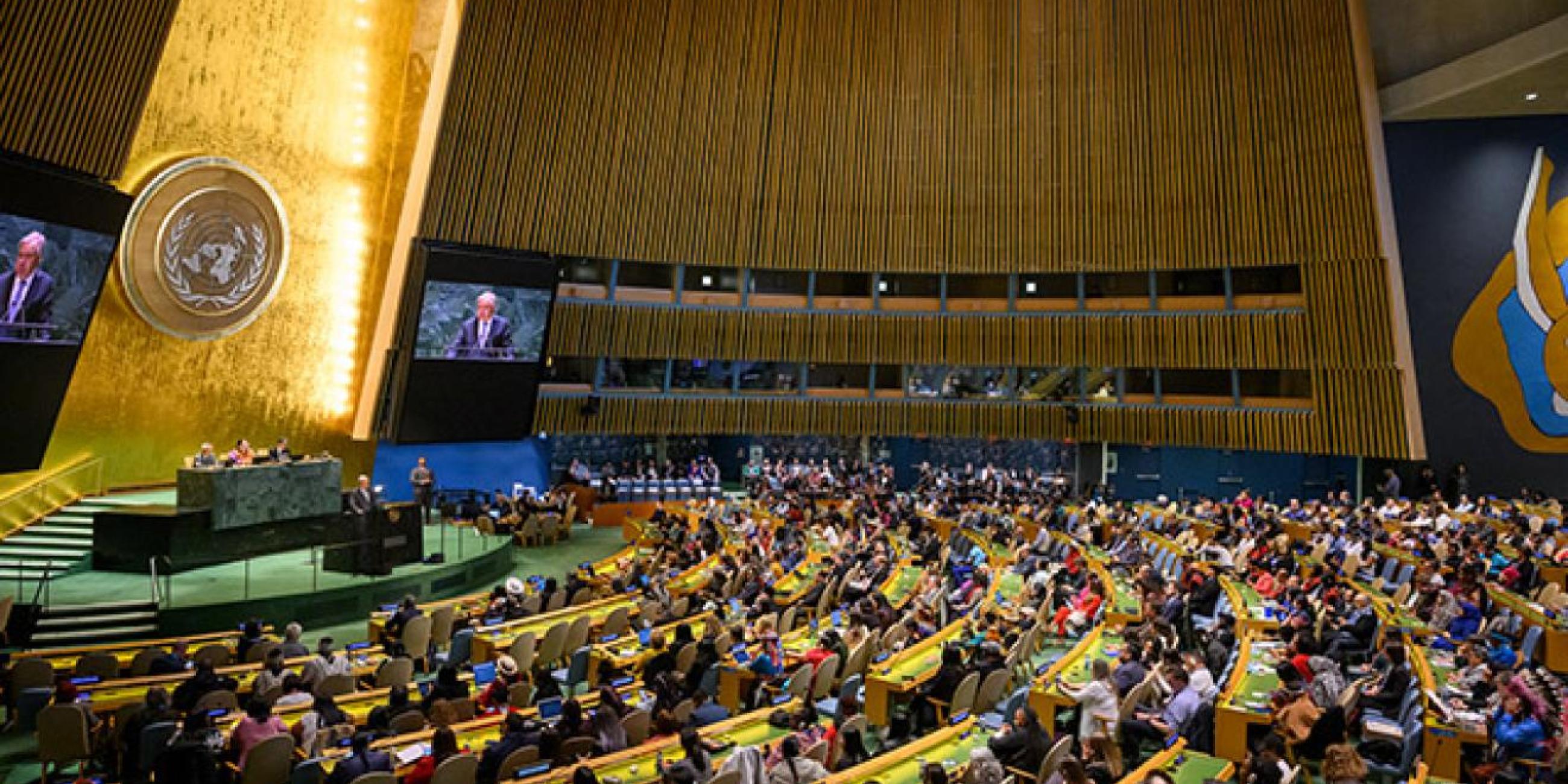
The United Nations has renewed calls for the enforcement of an existing arms embargo covering Sudan’s Darfur region, amid growing concerns over the continued supply of weapons and military support to parties involved in the country’s ongoing conflict. Mohamed Chande Othman, Chair of the UN Independent International Fact-Finding Mission for Sudan, made the call during the 63rd session of the UN Human Rights Council in Geneva. Othman urged countries to ensure compliance with the existing restrictions and backed calls for the embargo to be expanded to cover the whole of Sudan. The UN fact-finding mission has raised concerns that foreign military assistance, including weapons, drones, fighters and other forms of logistical support, is contributing to the escalation of the conflict and worsening its impact on civilians. The current UN arms embargo applies specifically to actors operating in Darfur. The Security Council sanctions regime, established under Resolution 1591, prohibits the supply of arms and related military assistance to relevant parties in the region. The existing measures are currently due to expire on September 12, 2026, unless renewed. The renewed UN appeal comes as international pressure grows for restrictions to be extended nationwide. The United States has also advocated expanding the existing Darfur embargo to cover the entire country, arguing that external military support is helping to prolong the conflict. Sudan has been engulfed in war since April 2023, when fighting broke out between the Sudanese Armed Forces and the paramilitary Rapid Support Forces. The conflict has resulted in widespread displacement, civilian casualties and a severe humanitarian crisis. The UN fact-finding mission has warned that foreign involvement is strengthening the military capabilities of the warring parties and contributing to serious violations against civilians. Othman's latest appeal therefore adds to mounting international calls for tighter controls on the flow of weapons into Sudan, alongside renewed efforts to protect civilians and address alleged violations of international humanitarian and human rights law. Any expansion of the embargo to cover the entire country would require action by the UN Security Council.

2 min read
Read Story
Seven-Day Ultimatum: El-Rufai Family Challenges Defense Minister to Prove Southern Kaduna Killing Allegation or Apologies
News

Seven-Day Ultimatum: El-Rufai Family Challenges Defense Minister to Prove Southern Kaduna Killing Allegation or Apologies

The family of former Kaduna State Governor, Nasir Ahmad El-Rufai, has given the Minister of Defence, General Christopher Musa (rtd.), seven days to substantiate a claim concerning the former governor's alleged involvement in killings in Southern Kaduna or publicly retract the statement and apologise. The demand was contained in a statement issued on Monday, September 7, and signed by Mohammed Bello El-Rufai on behalf of the family. The dispute followed comments reportedly made by Musa during an appearance on Politics Today, a Channels Television programme, on September 3, 2026. According to reports of the interview, the Defence Minister made critical remarks about El-Rufai's administration and alleged that the former governor had actively planned killings in Southern Kaduna while serving as governor of Kaduna State. The El-Rufai family described the allegation as serious and said no evidence was presented during the television programme to substantiate the claim. The family acknowledged the Defence Minister's right to express his views but maintained that an allegation of such gravity should be supported by credible and verifiable evidence. It therefore called on Musa to provide evidence supporting the allegation or publicly withdraw the claim through the same medium where it was made. The family gave the minister seven days from the date of its statement to comply with the demand. It also indicated that failure to substantiate or withdraw the allegation could result in the family pursuing legal remedies. The controversy adds to an ongoing political and public debate over the security situation in Kaduna State during El-Rufai's tenure from 2015 to 2023, particularly the recurrent violence and killings recorded in parts of Southern Kaduna. The latest development, however, concerns the specific allegation attributed to Musa and the El-Rufai family's demand for evidence or retraction. At the time of publication, the family had publicly stated its position and ultimatum, while the dispute over the allegation remains unresolved. Any determination regarding the truth or otherwise of the allegation would require supporting evidence and, where necessary, appropriate legal or judicial consideration.

2 min read
Read Story