
News
Atiku Questions Tinubu’s ₦24.7tn Borrowing, Says Businesses Are Being Crowded Out
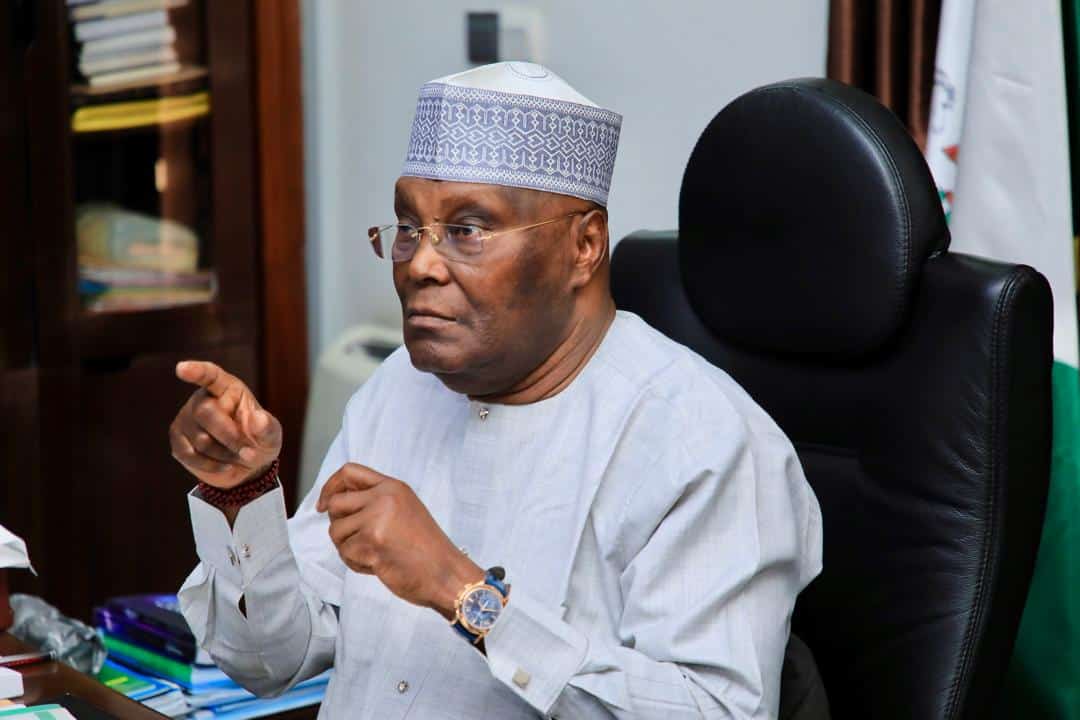
Former Vice-President Atiku Abubakar has criticised the Federal Government's domestic borrowing programme, arguing that the rising level of government borrowing is restricting access to credit for Nigerian businesses and putting pressure on job creation. Atiku, the presidential candidate of the African Democratic Congress (ADC), made the remarks in a statement issued by his Senior Special Assistant on Public Communication, Phrank Shaibu. According to THISDAY, which reported the comments on Tuesday, September 8, 2026, Atiku questioned why the Federal Government continued to borrow heavily despite higher crude oil prices and increased government revenues. He claimed that the Federal Government borrowed ₦24.7 trillion from the domestic market between January and August 2026, representing a 90.5 per cent increase compared with the ₦12.98 trillion reportedly borrowed during the corresponding period in 2025. Atiku also questioned the government's continued reliance on domestic borrowing following the removal of the petrol subsidy and foreign-exchange reforms, which he said had increased nominal government revenues. He argued that the government's growing demand for domestic credit could make it more difficult and expensive for businesses to obtain financing. Citing figures referenced in his statement, Atiku said government credit had grown by 43 per cent, while credit to the private sector increased by 9.6 per cent. He argued that the disparity could leave manufacturers, farmers and entrepreneurs competing with government for available funds, potentially increasing borrowing costs and affecting business expansion and employment. Atiku further questioned how revenues generated from the removal of the fuel subsidy, higher oil prices and other reforms were being deployed. He called for greater transparency over government revenues and expenditure, arguing that Nigerians should be able to see the benefits of increased government earnings through stronger economic opportunities and improved living conditions. The former vice-president also outlined what he said would be the approach of an administration led by him, including greater fiscal discipline, reduced waste and a gradual reduction in government dependence on domestic borrowing. His comments come amid an ongoing debate over the Tinubu administration's economic policies, particularly government borrowing, private-sector access to credit, inflation, employment and the wider cost of living. President Bola Tinubu has previously defended government borrowing when necessary, arguing that borrowing itself should not be viewed negatively provided the government is able to repay its obligations. Source: THISDAY — September 8, 2026. Additional reports from TheCable and Vanguard were reviewed for corroboration. Editorial note: The statements concerning the impact of government borrowing on businesses and jobs are attributed to Atiku Abubakar and represent his assessment of the government's economic policies.