
News
Nigeria Boycotts South African Parliamentary Events Over Attacks on Nigerians
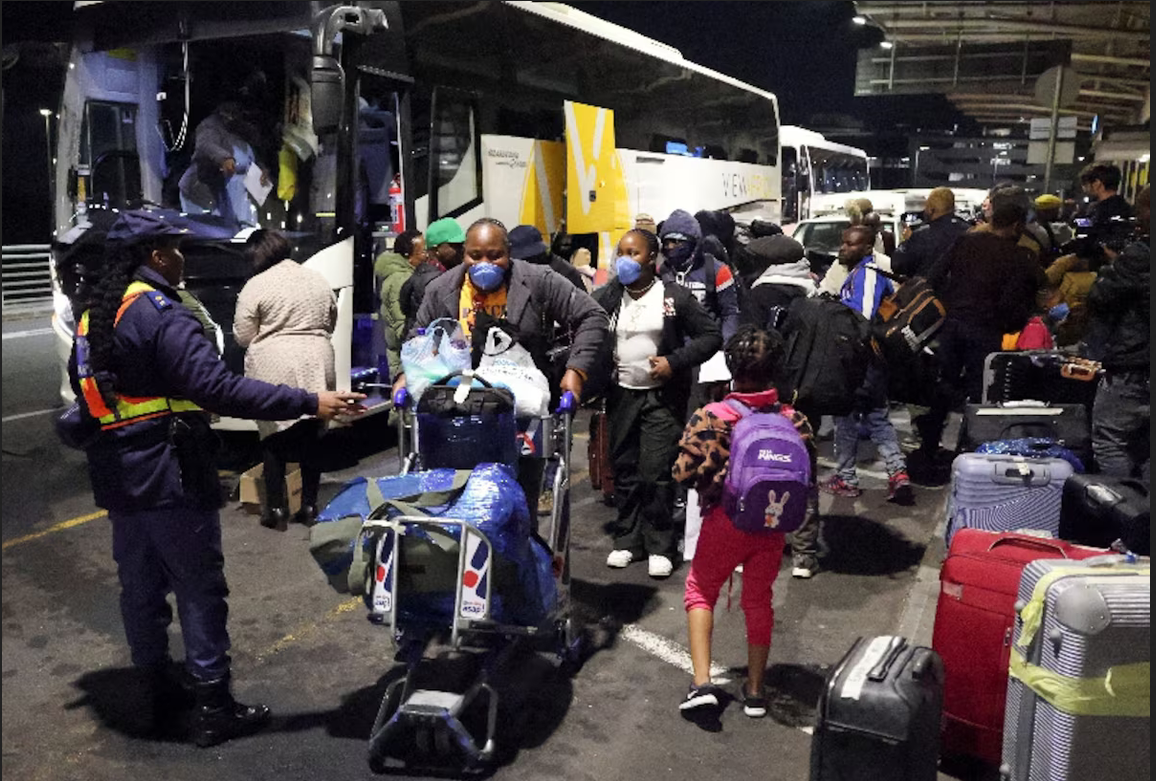
Nigeria Suspends Parliamentary Engagements With South Africa Over Xenophobic Attacks Nigeria’s National Assembly has suspended all official visits to South Africa and ordered lawmakers and parliamentary officials to boycott legislative activities hosted or organised by South African authorities until further notice. The decision follows growing concerns over recurring reports of xenophobic attacks, violence, intimidation and destruction of property involving Nigerians and other African nationals living in South Africa. The directive covers official visits by senators, members of the House of Representatives, parliamentary committees, officials and staff. It also extends to conferences, seminars, workshops, legislative meetings, parliamentary exchanges and other engagements organised or hosted by South African legislative authorities. The suspension also applies to participation in such activities through virtual or online platforms. National Assembly Raises Concern Over Nigerians The Clerk to the National Assembly, Kamoru Ogunlana, conveyed the decision following consultations between the leadership of the Senate and House of Representatives. The legislature said it was particularly concerned by reports that Nigerians had been killed, injured, displaced or forced to abandon their homes, businesses, investments and other property as a result of recurring attacks. House spokesman Akin Rotimi described the move as an expression of concern over the safety, dignity and welfare of Nigerians living and conducting legitimate businesses in South Africa. 98 Nigerians Reportedly Killed Since 2022 The latest development follows figures previously cited by Nigeria’s Ministry of Foreign Affairs. Nigeria's Minister of State for Foreign Affairs, Sola Enikanolaiye, said in July that at least 98 Nigerians had died in mob attacks, hate-related violence and alleged extrajudicial killings in South Africa since 2022. Reuters also reported that approximately 1,695 Nigerians had voluntarily left South Africa in 2026 amid heightened xenophobia-related tensions. The figures underline the seriousness of the concerns surrounding the safety of Nigerians in the country. Tensions Between Two Major African Economies Nigeria and South Africa maintain important economic and diplomatic ties and are among Africa's largest economies. However, recurring xenophobic violence against foreign nationals has periodically strained relations between the two countries. South African Foreign Minister Ronald Lamola travelled to Abuja in July for discussions with Nigerian officials over the attacks. During the visit, Lamola reiterated South Africa's condemnation of xenophobia and efforts to address the issue. The National Assembly's latest decision does not amount to a suspension of diplomatic relations between Nigeria and South Africa. Rather, it targets parliamentary and legislative engagements with South African institutions. Boycott Remains Until Further Notice The National Assembly said the suspension would remain in effect until further notice, with the leadership retaining the option to review the decision depending on developments. The move increases pressure on South African authorities to address attacks against foreign nationals while signalling that Nigeria's lawmakers consider the protection of Nigerian citizens abroad a matter requiring stronger action. The development is likely to attract further diplomatic attention as both countries seek to balance their longstanding bilateral relationship with growing public concern over the treatment of African migrants in South Africa. Source: https://www.reuters.com/world/africa/nigeria-parliament-boycotts-south-africa-events-over-anti-migrant-attacks-2026-09-11/?utm_source=chatgpt.com