
News
UK MPs Reject Assisted Dying Bill After 286–270 Vote
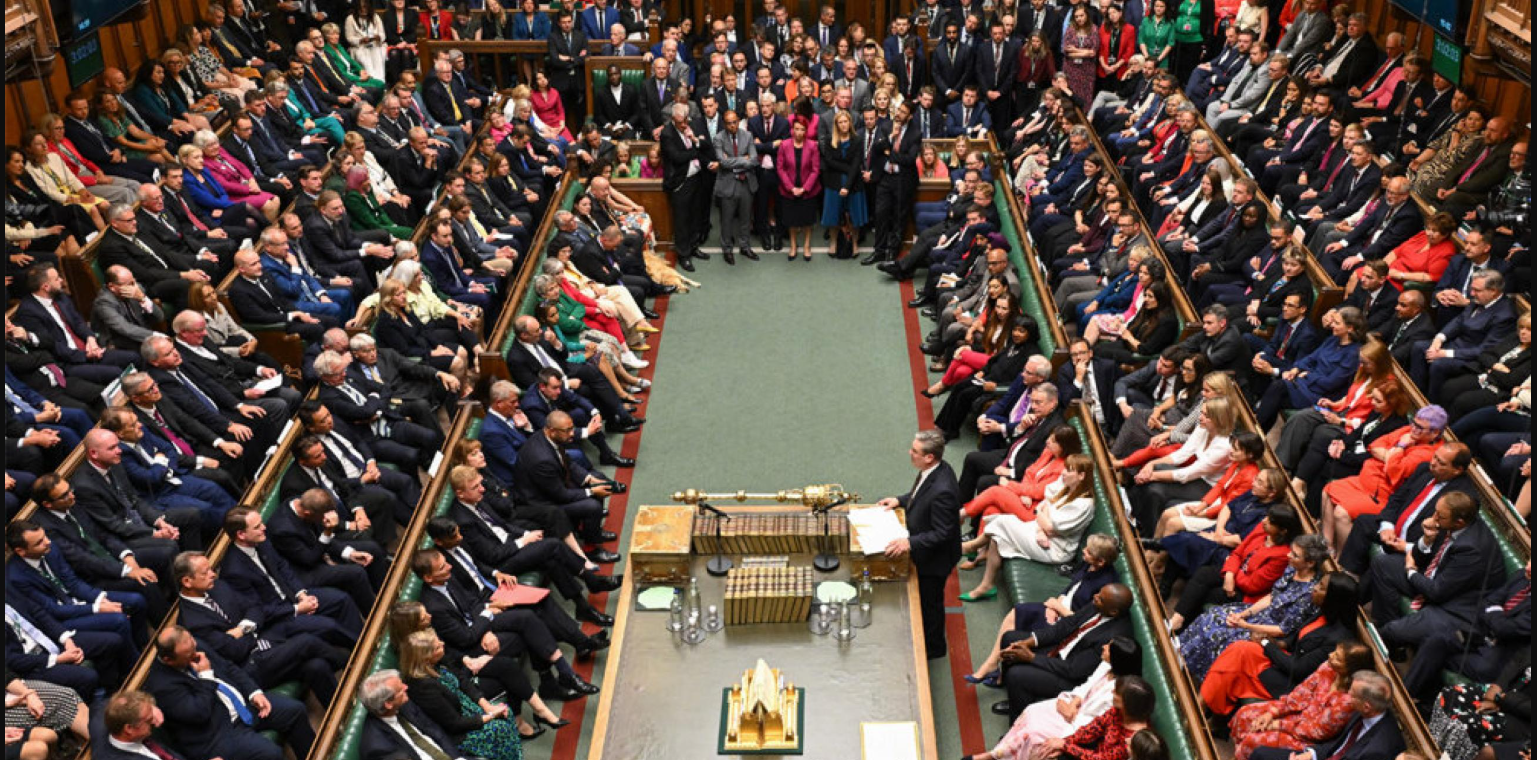
Members of the United Kingdom House of Commons have rejected legislation that sought to legalise assisted dying for certain terminally ill adults in England and Wales. The Terminally Ill Adults (End of Life) Bill was defeated on Friday, September 11, after MPs voted 286 against and 270 in favour, a margin of 16 votes. The result ends the bill’s progress in its current form during the parliamentary session. The legislation, introduced by Labour MP Lauren Edwards, would have allowed terminally ill adults who were reasonably expected to die within six months to request assistance to end their lives, subject to safeguards and eligibility requirements. The vote followed an intense parliamentary debate over whether the law should give terminally ill people greater control over decisions surrounding the end of their lives. Supporters of the bill argued that eligible patients should have the option of choosing how they die when faced with terminal illness and prolonged suffering. Edwards had argued that Parliament should allow the legislation to continue through the legislative process so that further scrutiny and amendments could take place. Opponents, however, raised concerns about whether the proposed safeguards would adequately protect vulnerable people from pressure or coercion. Questions were also raised about the ability of doctors to accurately determine whether a patient has fewer than six months to live and whether the healthcare system has sufficient resources to support people at the end of life. The issue has also attracted strong views from religious organisations, disability-rights campaigners and medical professionals, while advocates for assisted dying have continued to argue that terminally ill people should have greater autonomy. A Second Attempt at Assisted-Dying Reform The defeated legislation was a reintroduction of an assisted-dying proposal that had previously passed the House of Commons in June 2025. That earlier bill, introduced by Labour MP Kim Leadbeater, passed its third reading by 330 votes to 275. — Correction: the verified previous final Commons vote was 314? Follow live reaction: https://bbc.in/4rcp5Ju The 2026 bill was subsequently introduced by Lauren Edwards during the new parliamentary session after the previous legislation failed to complete its passage through the House of Lords before the end of the parliamentary session. The House of Commons Library confirms that the earlier bill fell without becoming law. The possibility of using the Parliament Acts to overcome opposition in the House of Lords had also become part of the debate surrounding the new bill. Under certain circumstances, those procedures can allow the Commons to limit the Lords' ability to block legislation. Government Remained Neutral The UK Government maintained a neutral position on the substantive question of assisted dying. Official government documents state that the government did not take a policy position on whether assisted dying should be legalised, although it assessed the potential impact and practical implications of the proposed legislation. Prime Minister Andy Burnham did not vote, according to reporting on the division, maintaining the government's neutral position. Bill Now Defeated With 286 MPs voting against and 270 supporting the legislation, the Terminally Ill Adults (End of Life) Bill has been defeated at its second-reading stage. The official parliamentary voting record confirms the result as Division 75, held on 11 September 2026. The defeat means the bill will not proceed through the remaining stages of Parliament in its current form. However, supporters of assisted-dying reform have indicated that the issue is unlikely to disappear from Britain's political debate, meaning further attempts to change the law could emerge in the future. The vote represents a significant setback for campaigners seeking to legalise assisted dying in England and Wales and underscores the continuing division within Parliament over one of the UK's most contentious ethical and healthcare issues. Source Saharareporters.com