
News
Nigeria Imports N68bn Palm Oil Despite Africa-Leading Production
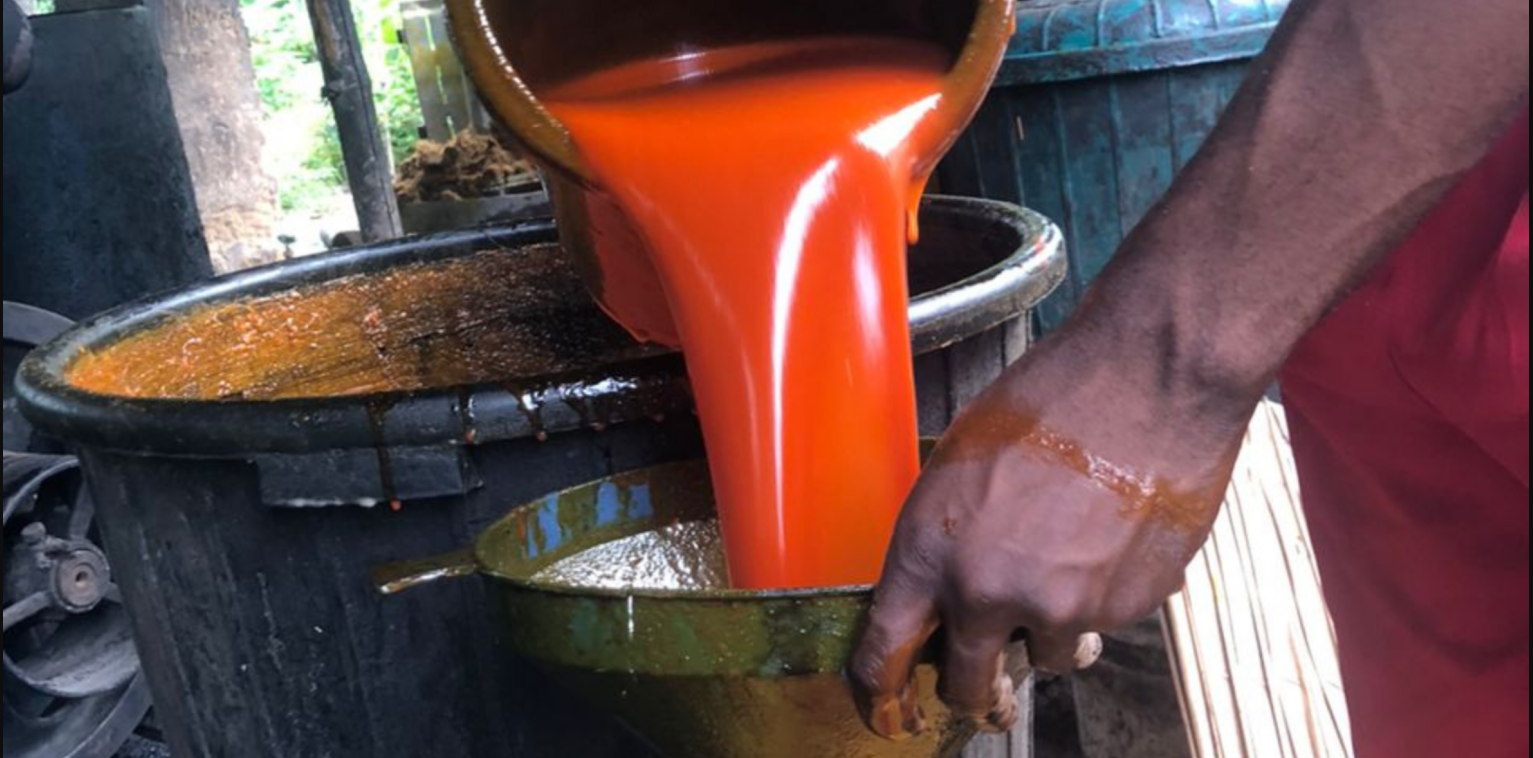
Nigeria spent approximately N68 billion importing crude palm oil from Liberia, Côte d’Ivoire and Ghana in the second quarter of 2026, despite remaining Africa’s largest palm-oil producer. The development, based on trade data from the National Bureau of Statistics (NBS), highlights the widening gap between Nigeria’s domestic palm-oil production and rising local demand. Between April and June 2026, Nigeria imported crude palm oil worth about N51 billion from Liberia, while imports from Côte d’Ivoire stood at approximately N15 billion. A further N2 billion was spent on crude palm oil sourced from Ghana. The Q2 figure represents a substantial increase from the N23 billion worth of crude palm oil imported from West African countries during the first quarter of 2026. Nigeria Remains A Major Global Producer Nigeria has maintained its position as one of the world's leading palm-oil producers and the largest producer on the African continent. Recent industry figures indicate that Nigeria's palm-oil production increased to approximately 1.57 million metric tonnes in 2025, up from about 1.28 million tonnes in 2020. However, domestic consumption has also increased significantly, reaching approximately 2.61 million tonnes in 2025. The difference between production and consumption means that local output is still insufficient to meet the country's overall requirements, leaving manufacturers and other consumers dependent on imports. Rising Demand Driving Imports Palm oil is a critical raw material across Nigeria's economy. It is widely used in food processing and is also an important input for the production of soap, detergents, cosmetics, pharmaceuticals and other industrial and consumer products. Nigeria's large population and expanding consumer and manufacturing sectors have continued to push demand higher. However, production has struggled to expand at the same pace. Low productivity, ageing plantations, inadequate investment, limited access to improved seedlings and other challenges across the agricultural value chain have continued to constrain the sector. The Council of Palm Oil Producing Countries has also identified the growing difference between Nigeria's production and consumption as a major challenge, noting that imports are currently helping to fill the supply gap. Government Efforts Yet to Close the Gap The Federal Government and the Central Bank of Nigeria have previously introduced initiatives aimed at expanding oil-palm production, improving productivity and strengthening the value chain. The CBN's Oil Palm Development Initiative, launched in 2019, was designed to increase domestic production, support farmers, create employment and reduce Nigeria's dependence on imported palm oil. Despite these interventions, the latest import figures suggest that substantial gaps remain in the country's ability to produce enough palm oil for domestic consumption. The continued inflow of palm oil from neighbouring African countries also raises questions about the productivity and competitiveness of Nigeria's oil-palm sector. Smallholder Farmers Remain Critical Smallholder farmers account for a significant share of Nigeria's oil-palm production, making stronger support for farmers essential to closing the supply gap. Industry stakeholders have repeatedly called for greater investment in improved planting materials, modern farming techniques, processing infrastructure, access to finance and rehabilitation of ageing plantations. Nigeria has the land, climate and agricultural potential to significantly increase palm-oil production. The challenge, however, is translating that potential into higher yields and reliable domestic supply. The latest N68 billion import bill therefore underscores a paradox in Nigeria's agricultural economy: a country recognised as Africa's leading palm-oil producer continues to rely heavily on imports to satisfy its growing domestic demand. Source: Sahara Reporters