
News
FG Moves to Operationalize 112 as Nigeria’s National Emergency Number
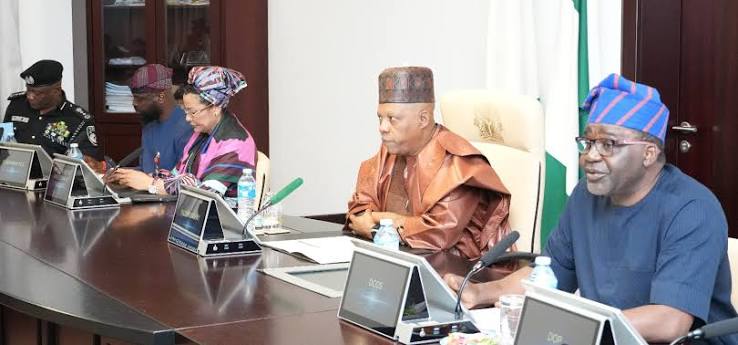
The Federal Government has intensified efforts to make 112 Nigeria’s single national emergency telephone number, as part of plans to strengthen the country’s emergency response system. The initiative is being pursued through increased coordination between the Federal Government, state governments and emergency-response agencies, with authorities working towards a more unified system for handling emergency calls across the country. Under the proposed framework, members of the public would be able to dial 112 to access emergency assistance, including police, fire, ambulance and other relevant response services. The move is aimed at reducing confusion caused by the different emergency numbers currently used by various agencies and jurisdictions, while improving the speed with which emergency calls are received, routed and acted upon. FG, States and Responders to Strengthen Coordination The Federal Government has been engaging state governors and emergency-response stakeholders on the operational framework for the national number. According to the Presidency, further consultations are expected to help finalise arrangements for the adoption of 112, including coordination between emergency call centres and the agencies responsible for responding to incidents. The development comes as Nigeria continues to face a wide range of emergencies, including road accidents, fires, security incidents, medical emergencies and natural disasters. A functioning nationwide emergency number could make it easier for citizens to report incidents without having to remember separate numbers for different emergency services. What Nigerians Should Know The planned national system is intended to provide a single access point for emergency assistance, but successful implementation will depend on reliable telecommunications infrastructure, adequately staffed emergency call centres and rapid response by relevant agencies. The government will also need to ensure that emergency calls are properly routed to the appropriate responders, particularly in areas where emergency-response capacity remains limited. The initiative is therefore expected to require sustained cooperation between federal and state authorities, telecommunications operators, security agencies, health services, fire services and other emergency responders. If fully implemented, the 112 system could represent an important step towards creating a more coordinated national emergency-response network. Source: The Guardian Nigeria / State House — September 2026. Editorial note: The operationalisation of 112 is a government initiative being developed in stages. Nigerians should continue to follow official emergency-service instructions in their respective locations until the Federal Government confirms the full nationwide implementation arrangements.