
Africa | News
South Africa: Sharpeville Massacre Remembered 66 Years Later as Victims’ Families Renew Fight for Justice
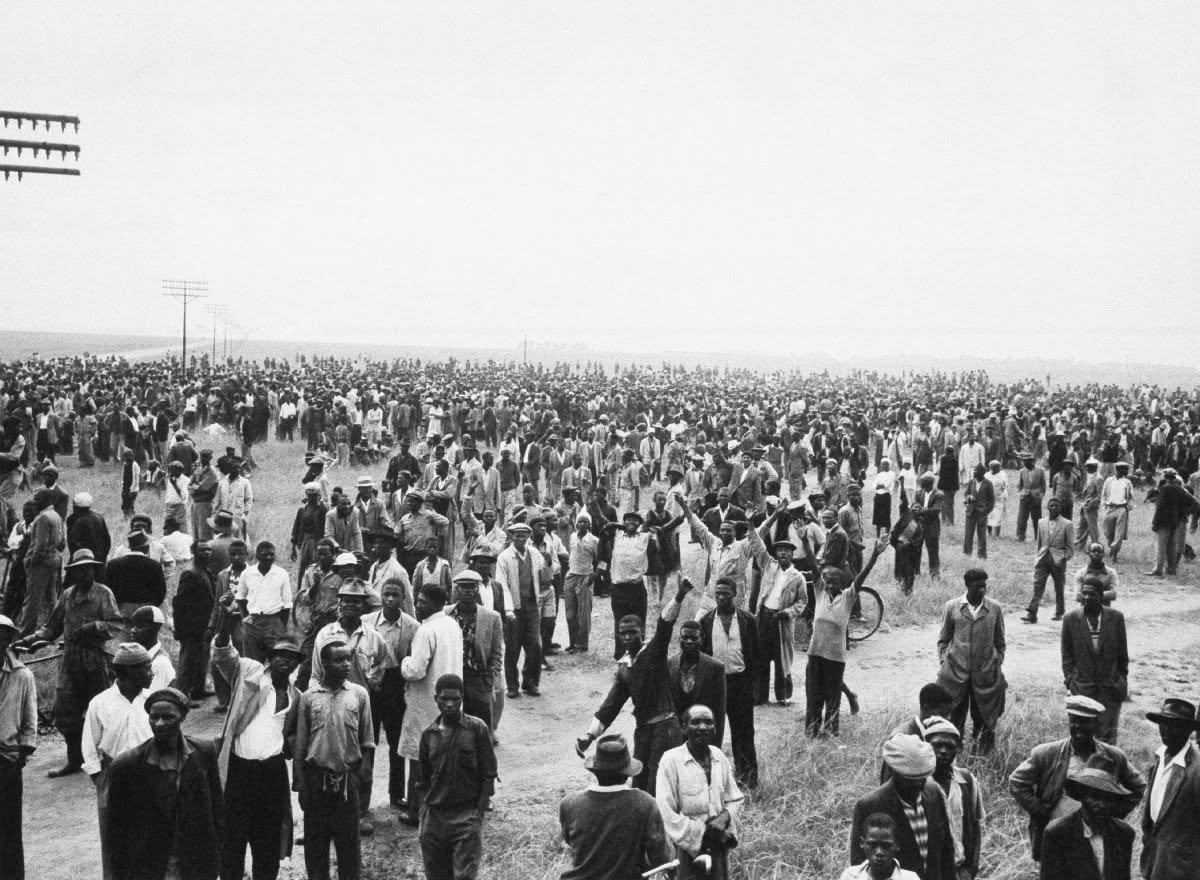
JOHANNESBURG, South Africa — Sixty-six years after apartheid-era police opened fire on an unarmed crowd in Sharpeville, survivors and families of those killed are renewing their demand for justice and reparations. The Sharpeville Massacre took place on March 21, 1960, when police fired on protesters demonstrating against apartheid-era pass laws. Official records put the death toll at 69, with more than 180 people injured, although research cited by the current claimants indicates that the number killed and wounded may have been higher. The massacre became one of the defining moments in South Africa's struggle against apartheid and contributed to international condemnation of the country's racial segregation system. March 21 is now observed annually in South Africa as Human Rights Day. Families Renew Legal Fight The decades-old grievances have recently returned to the courts. Survivors and relatives of victims announced in September 2026 that they had launched legal proceedings against the South African government seeking compensation and reparations. The legal action, supported by Lawyers for Human Rights and other legal representatives, also challenges the apartheid-era Indemnity Act of 1961, which has been cited as a barrier preventing victims from pursuing compensation claims linked to the massacre. More than 70 survivors and relatives have reportedly expressed support for or interest in joining the legal action. Lawyers argue that the case could provide an opportunity for victims who were left without adequate redress after the post-apartheid Truth and Reconciliation Commission process. A Pain That Has Endured For many families, the issue extends beyond financial compensation. Survivors say the consequences of the 1960 shootings have continued to affect their families and communities, with some carrying physical and psychological scars more than six decades later. The Truth and Reconciliation Commission process resulted in reparations for only a limited number of Sharpeville survivors. The new legal action seeks to reopen the question of accountability and compensation for those who say they were left without meaningful redress. The case forms part of a broader effort in South Africa to revisit unresolved apartheid-era human rights abuses and address what campaigners describe as unfinished business from the country's transition to democracy. Remembering Sharpeville The Sharpeville Massacre remains a powerful symbol of the dangers of state violence, racial discrimination and the struggle for human rights. As South Africa remembers the victims 66 years after the killings, their families continue to seek recognition, accountability and justice for one of the darkest episodes of the apartheid era. Source: Associated Press (AP), The Guardian, Lawyers for Human Rights and Leigh Day — September 2026. Editorial Note: Historical casualty figures vary between official apartheid-era records and later research. The legal claims and allegations contained in this report remain subject to judicial determination.