
Asia | News
🇨🇳🇮🇳 Xi Jinping Heads to India for BRICS Summit as Beijing–New Delhi Ties Thaw
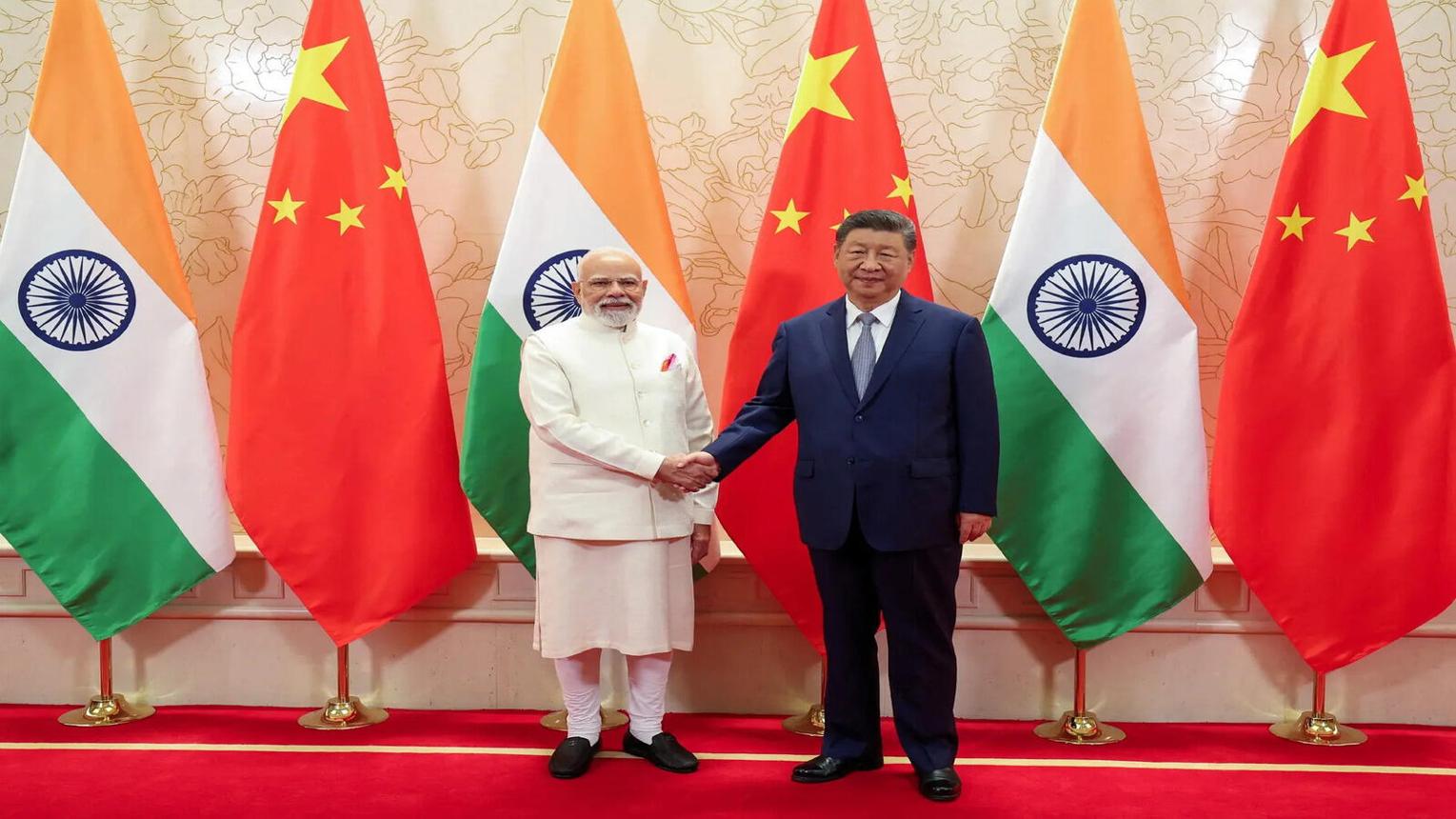
Chinese President Xi Jinping is expected to visit New Delhi on September 12–13, 2026, for the 18th BRICS Summit, marking his first visit to India in seven years. The visit comes as India and China attempt to repair relations that deteriorated sharply after the deadly 2020 Galwan Valley border clash. Why Xi's visit matters The meeting is significant because India and China are two of the world's largest economies and most influential emerging powers. Their relationship has gradually improved following years of military tensions along their disputed Himalayan border. Reuters reports that trade between the two countries has also been expanding, although security concerns, investment restrictions, visa problems and mutual distrust remain major obstacles. Modi–Xi meeting A meeting between Xi Jinping and Prime Minister Narendra Modi could provide an opportunity to discuss: 🇨🇳🇮🇳 Border tensions and military disengagement Trade and investment restrictions Resumption and expansion of direct flights Chinese investment in India's manufacturing sector Regional security Cooperation within BRICS The wider balance between China, India and the United States The thaw remains cautious: analysts say both governments are seeking greater stability while continuing to compete strategically. What is at stake for BRICS? India is hosting the 18th BRICS Summit at Bharat Mandapam in New Delhi on September 12–13 under its 2026 BRICS chairmanship. India's official theme is “Building for Resilience, Innovation, Cooperation and Sustainability.” The summit is expected to focus on economic cooperation, trade and finance, technology, development, global governance and geopolitical issues. It comes at a particularly important moment as BRICS seeks to strengthen its role in a changing global order. The bigger geopolitical picture Xi's visit could therefore be more important than the BRICS meeting itself. A successful Xi–Modi engagement could signal that India and China are moving from confrontation toward managed competition and selective cooperation. However, major disagreements remain, particularly over the Himalayan border and each country's strategic relationship with other major powers. Reuters notes that business ties remain constrained by a persistent trust deficit despite recent diplomatic improvements. Bottom line: Xi's India visit could become one of the most consequential India–China diplomatic encounters since the 2020 border crisis. It offers both countries an opportunity to stabilise relations while giving BRICS a chance to demonstrate greater influence in global affairs. Sources: Reuters, Indian Express, Government of India and Chatham House.