
Europe | News
🇪🇺 European Markets Face Oil Shock as ECB Weighs Rate Hike
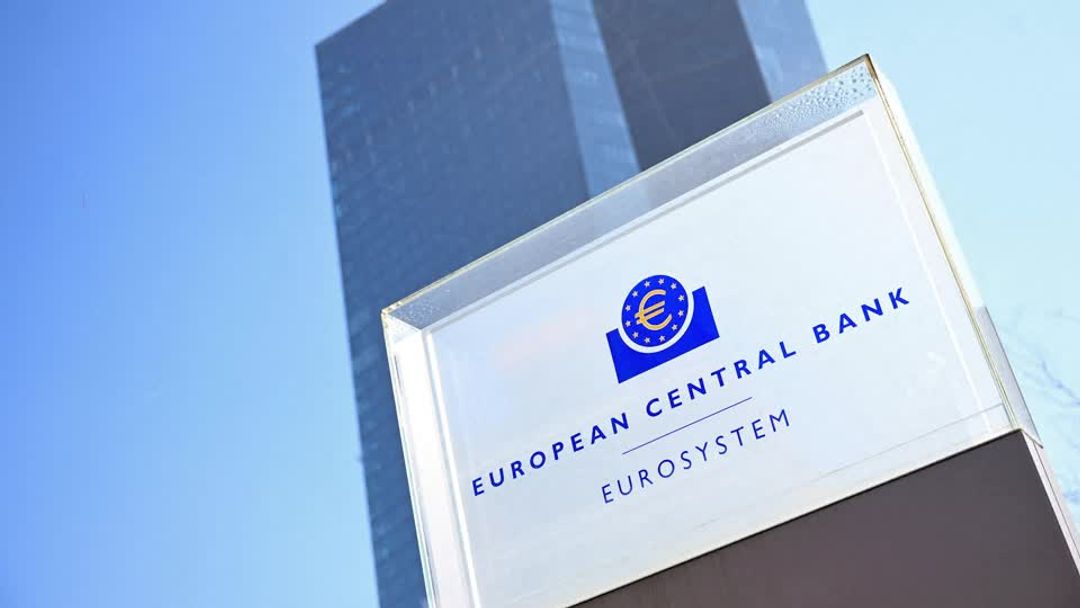
European markets are moving cautiously as Brent crude remains above $100 a barrel, intensifying concerns that higher energy costs could keep inflation elevated and force the European Central Bank (ECB) to maintain a tighter monetary stance. Markets under pressure The pan-European STOXX 600 was broadly flat on Thursday, following a 1.4% decline on Wednesday after Brent crude moved above $100 for the first time since July. Energy stocks were among the few areas receiving support from higher oil prices. Germany's DAX and France's CAC were also subdued, reflecting investor caution over the combination of higher energy costs, inflation and interest rates. ECB decision in focus Markets were expecting the ECB to raise its key interest rate by 25 basis points to 2.5% on Thursday. Investors are particularly focused on ECB President Christine Lagarde's comments about whether the central bank could continue raising rates if the oil-driven inflation shock persists. The dilemma is straightforward: Higher oil → higher inflation → tighter monetary policy → potentially weaker economic growth. The ECB therefore faces the challenge of controlling inflation without unnecessarily damaging Europe's already fragile growth outlook. Why $100+ oil matters The oil surge is being driven by escalating geopolitical tensions and disruptions to energy shipments. Brent was trading above $100, with some market measures showing even higher prices in physical crude markets. For Europe, expensive oil can raise transportation, manufacturing and household energy costs. That can push inflation higher while simultaneously reducing consumers' purchasing power. What investors are watching The key signals are: ECB guidance — whether further rate hikes are likely. Brent crude — whether oil remains above $100 or moves substantially higher. European bond yields — a measure of changing rate and inflation expectations. Euro markets are watching whether tighter ECB policy strengthens the currency. Energy stocks potentially benefiting from elevated oil prices. Consumer and industrial stocks potentially pressured by higher energy costs. The euro was relatively stable ahead of the decision, while sterling also remained within a narrow range against the single currency. Bottom line: Europe is facing a difficult combination of $100+ oil and renewed inflation pressure just as the ECB tightens policy. The central bank's guidance on future rate increases could determine whether the current market weakness develops into a broader European sell-off, or proves temporary.