
Business | Public Interest
Oil Nears $110 as Iran Conflict Deepens Global Energy Supply Fears
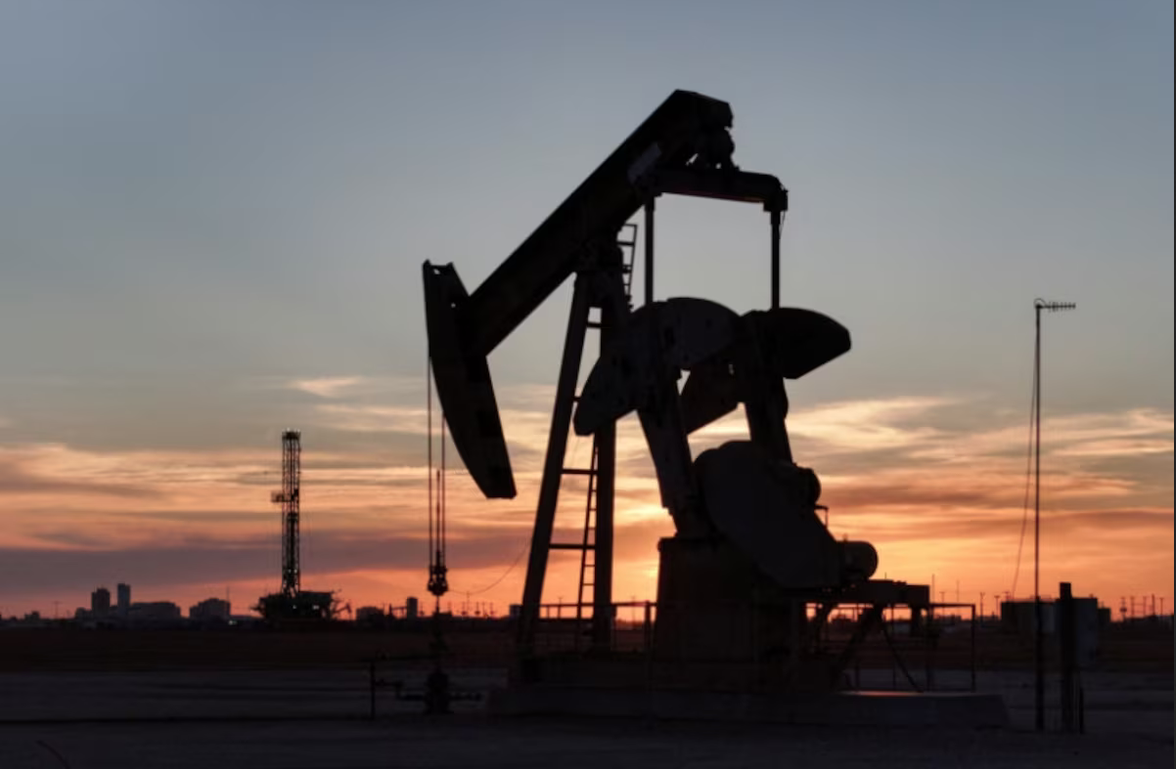
Oil prices have surged to their highest level in months as the escalating conflict involving the United States and Iran, coupled with growing threats to shipping routes in the Middle East, continues to raise fears of a major disruption to global energy supplies. Brent crude reached about $109.97 per barrel, while U.S. West Texas Intermediate (WTI) climbed above $103, putting both benchmarks on course for their first weekly close above $100 in nearly four months. Brent has gained roughly 13% this week. Why oil is rising The latest surge is being driven by mounting concerns over the security of critical oil and shipping routes. Iran-linked Houthi forces have reportedly seized Yemen's Mocha port, raising fears over traffic through the strategically important Bab el-Mandeb Strait, while fighting and attacks around the region have added further uncertainty. Iran has also threatened additional retaliation following U.S. military action. The Strait of Hormuz remains another major concern because of its importance to global energy transportation. Any sustained disruption could sharply reduce the amount of crude reaching international markets. Global economic impact The oil shock is already spilling into financial markets. Higher energy prices are increasing inflation expectations and pushing government bond yields higher. The U.S. 10-year Treasury yield has approached 5%, while markets are increasingly pricing in the possibility of additional interest-rate increases rather than cuts. Reuters reports that markets were assigning roughly a 70% probability to a U.S. Federal Reserve rate hike next week. European and Asian markets have also come under pressure as investors assess the possibility that expensive energy could keep inflation elevated for longer. What it could mean for Nigeria For Nigeria, the development presents both an opportunity and a risk. Higher international crude prices could increase government and oil-sector revenues because Nigeria is an oil-producing country. However, the benefits could be offset by higher domestic energy and transportation costs, particularly if global refined-product prices continue rising. The situation matters especially for Nigerian consumers because higher fuel and transportation costs can feed into food prices, logistics, electricity generation, and overall inflation. Could oil reach $120? Analysts are increasingly warning that prices could move considerably higher if the conflict continues to disrupt Middle Eastern supply. Reuters reports that some analysts see Brent potentially reaching around $122 per barrel if the conflict escalates further. That makes developments around Iran, the Strait of Hormuz, the Red Sea, and international shipping critical indicators of where crude prices go next. Source: Reuters, with additional reporting from AP and other international financial news outlets.