
Technology | News
🇮🇳 India Pushes BRICS Digital-Currency Link to Transform Global Payments
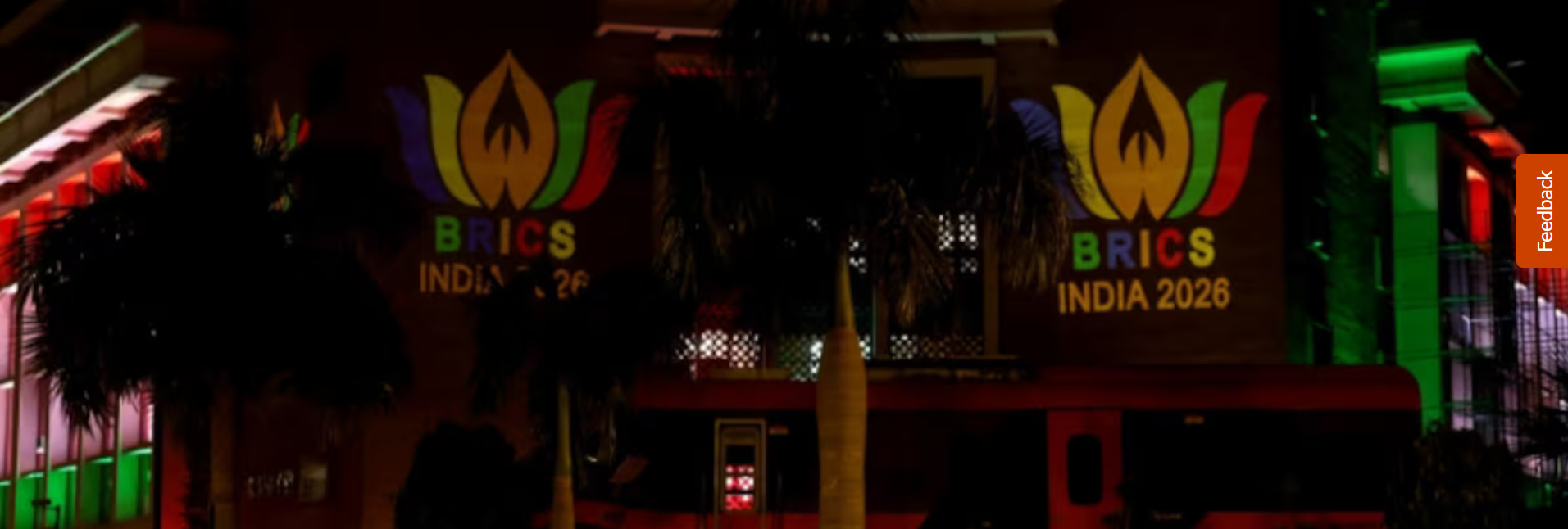
India is pushing for central-bank digital currencies (CBDCs) issued by BRICS countries to be linked, in an effort to make cross-border payments faster, cheaper and more efficient. The proposal is expected to be discussed at the BRICS summit in New Delhi on September 12–13, where India is currently chairing the group. Two people familiar with the discussions told Reuters that India wants progress on connecting members' digital currencies despite significant political and technical obstacles. What is India proposing? Rather than creating a single BRICS currency, India is proposing greater interoperability between the digital currencies issued by individual central banks. In practical terms, this could eventually allow businesses and individuals in BRICS countries to make international payments directly through participating digital-currency systems, potentially reducing reliance on traditional correspondent banking networks. India has stressed that the initiative is intended to facilitate international transactions, rather than create a common BRICS currency or immediately replace the U.S. dollar as the world's reserve currency. Why it matters The proposal comes as BRICS expands its economic and geopolitical influence. The group now includes Brazil, Russia, India, China, South Africa, Egypt, Ethiopia, Indonesia, Iran, Saudi Arabia and the UAE. A functioning digital-payment network could: Reduce the cost and time involved in international transfers. Encourage more trade using members' local currencies. Reduce dependence on traditional dollar-based payment infrastructure. Improve payment connectivity between emerging economies. Potentially strengthen financial links between BRICS members. Major obstacles remain The initiative faces substantial challenges. Political tensions within the expanded BRICS membership could make financial integration difficult. India and China continue to have security and economic concerns, while financial ties between some members—including Iran and the UAE—are complicated by geopolitical tensions. There are also technical questions surrounding how different CBDC systems would communicate with each other. Another major issue is currency imbalances. Reuters reports that currency-swap arrangements could be necessary to manage differences in trade flows between participating countries. Is this a challenge to the dollar? Potentially, but not immediately. The proposal could contribute to the broader BRICS effort to increase the use of local currencies in international trade, but India is deliberately presenting the project as a payments-efficiency initiative rather than a direct attack on the U.S. dollar. The distinction is important: connecting CBDCs would not automatically create a BRICS reserve currency. India is already expanding digital payments India has one of the world's most advanced instant-payment ecosystems through UPI. The country's payment infrastructure processed 24.51 billion transactions worth about $314 billion in August 2026, according to Reuters. India is also pushing for UPI to be integrated with more foreign payment systems. India's domestic financial-technology push is also moving into tokenised securities. The country's securities regulator and central bank have launched Demat 2.0, a pilot combining tokenised corporate bonds, CBDC and smart contracts to enable faster settlement. Why this story is important now The timing is particularly significant because the BRICS summit is taking place against a backdrop of rising oil prices, geopolitical tensions and growing debate about the future of the international financial system. If BRICS countries eventually succeed in connecting their digital-payment infrastructures, it could become one of the most significant developments in cross-border payments among emerging economies. Source: Reuters and Indian financial-market reporting.