
Europe | News
NATO Allies Foil Alleged Russian Plot to Target Arctic Undersea Cables
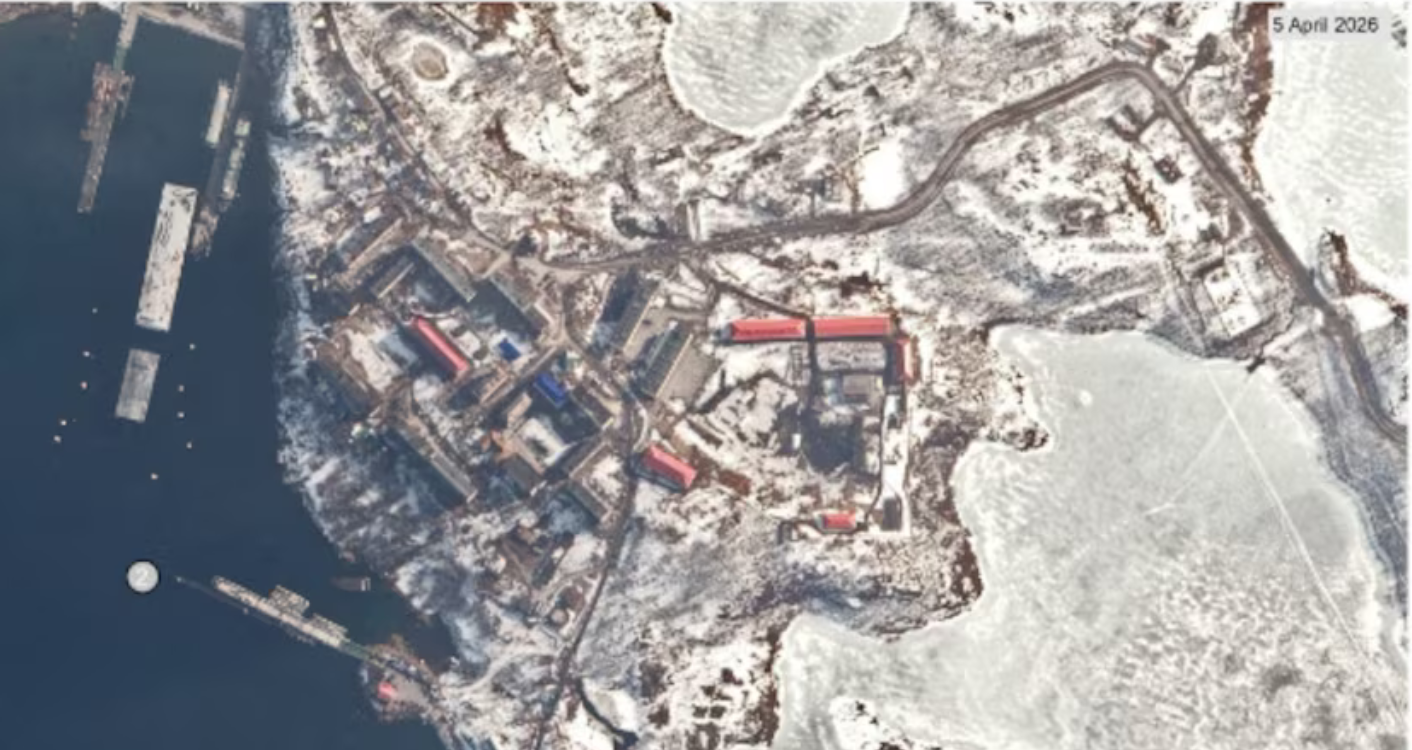
NATO allies Britain, Norway and the United States disrupted a covert Russian operation near the Arctic Svalbard archipelago, where Russian undersea forces were reportedly conducting a training exercise involving technology designed to disable critical submarine cables. According to an exclusive Reuters report, the operation took place during spring 2026 and involved Russia's secretive Main Directorate of Deep-Sea Research (GUGI) using deep-sea submersibles to simulate deployment of a sophisticated system capable of damaging subsea infrastructure without leaving obvious traces. No cables were actually damaged The operation did not result in damage to the cables. British, Norwegian and U.S. forces tracked and confronted the Russian vessels, preventing them from completing the exercise. The Russian vessels subsequently left the area. Norway's Defence Minister Tore Sandvik said the operation sent Moscow a clear warning that attempts to secretly target critical infrastructure would be detected and would have consequences. Why the Svalbard cables matter Two major fibre-optic cables connect Svalbard with mainland Norway. Each is approximately 1,400 kilometres long and reaches depths of up to 2,700 metres. The cables are particularly important because they carry large quantities of satellite data from SvalSat, the world's largest satellite ground station. The station is also connected to NASA's Near Space Network. A successful attack could therefore affect not only communications but also satellite operations, financial transactions, internet connectivity and wider critical infrastructure. 🇷🇺 Why NATO is concerned Western intelligence officials are increasingly worried that Russia is developing capabilities that could be used against NATO infrastructure in the event of a wider confrontation. Some U.S. intelligence officials reportedly fear Moscow could eventually test NATO's Article 5 mutual-defence commitment. Under such a scenario, attacks on critical infrastructure could become part of a broader effort to pressure or destabilise NATO countries. Russia's Defence Ministry did not respond to Reuters' request for comment, while the Kremlin has consistently denied conducting sabotage operations against NATO countries. Subsea cables are becoming a major security issue Undersea fibre-optic cables carry enormous amounts of global internet and financial data. Their strategic importance has increased alongside the world's growing dependence on digital communications and data-intensive technologies, including artificial intelligence. NATO has consequently increased surveillance of underwater infrastructure through initiatives including Baltic Sentry and the UK-led Nordic Warden. Norway is also planning a new fibre-optic connection linking Svalbard and Jan Mayen to mainland Norway by 2028. What happens next? The incident is likely to intensify NATO's efforts to protect subsea infrastructure across the Arctic, North Atlantic and Baltic Sea. It also highlights a new dimension of modern warfare: critical battles may not always involve missiles or conventional forces. Internet cables, electricity links and other infrastructure on the seabed could become strategic targets during a major geopolitical confrontation. Primary source: Reuters, with corroborating reporting from The Guardian and Defence News.