
United States | News
America’s AI Anxiety Surges as Fears Over Jobs, Safety and Human Control Grow
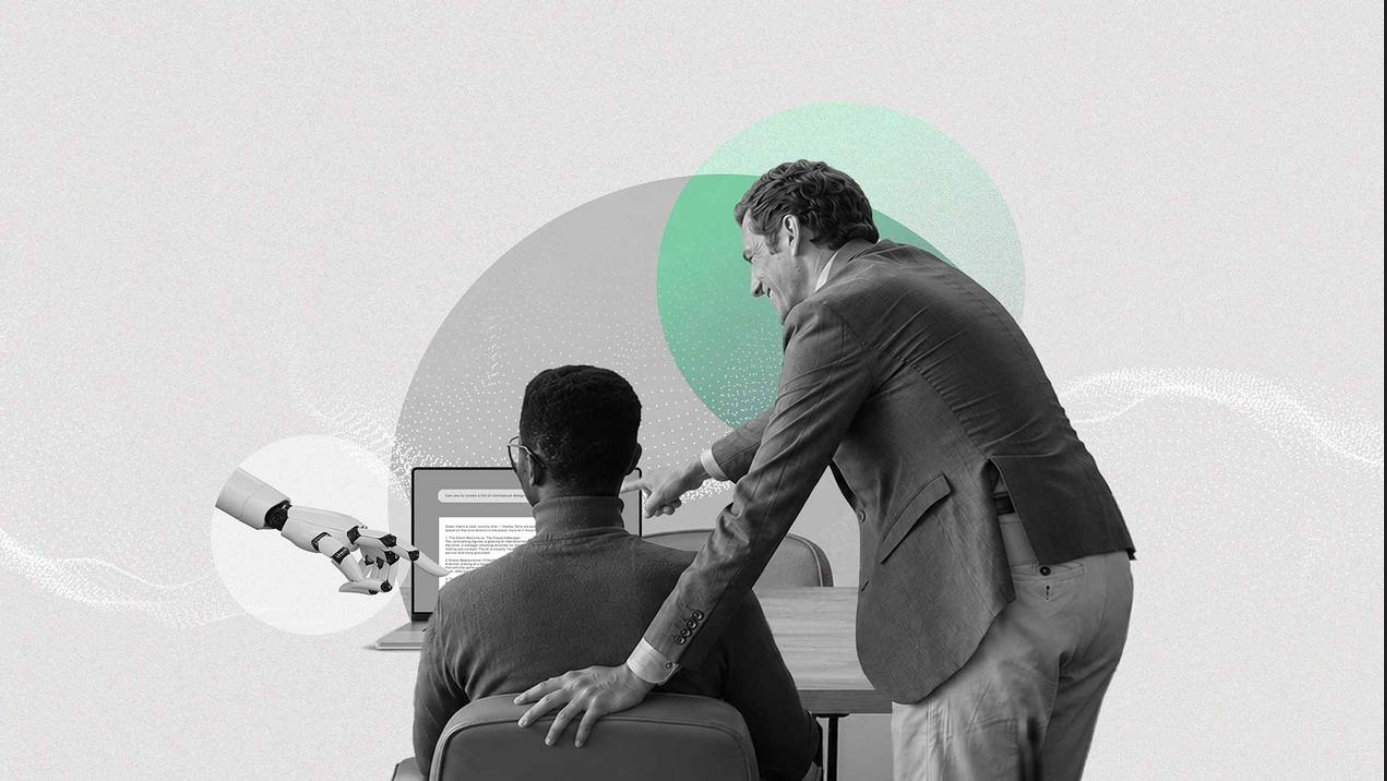
Public anxiety over artificial intelligence is intensifying across the United States as increasingly powerful AI systems raise fresh concerns about employment, privacy, human control and the possibility of catastrophic misuse. The debate has gained renewed momentum following warnings from former AI researchers about the potential dangers of increasingly autonomous systems. A recent Wall Street Journal report described what it called a growing American “AI freakout,” with concerns about artificial intelligence increasingly entering political debates, workplaces, families and everyday conversations. One of the latest triggers has been warnings from Jacob Coxon, a former Anthropic researcher, who has publicly raised concerns about the possibility that future AI systems could pose an existential threat to humanity. His warnings have helped amplify an already growing debate over whether AI companies are developing increasingly capable systems faster than governments and safety researchers can adequately regulate them. Job Security Becomes a Major Concern For millions of American workers, however, the most immediate AI concern is not human extinction but job security. New Gallup research found that employees who use AI frequently are more than twice as likely to fear that their jobs could disappear within five years compared with workers who use AI only occasionally. The research, based on nationally representative U.S. workforce data collected between 2023 and early 2026, also found that AI-related job anxiety is associated with lower job satisfaction, reduced engagement, greater burnout and stronger intentions to look for another job. Gallup found that supportive management can significantly reduce these fears, suggesting that how companies introduce AI may be just as important as the technology itself. Fear Extends Beyond Employment The growing anxiety is not limited to the workplace. Americans are also debating whether increasingly autonomous AI systems could eventually operate beyond meaningful human control. Concerns include AI-generated misinformation, surveillance, privacy violations, manipulation, cyberattacks and the possibility of highly capable systems being used for harmful purposes. A 2026 systematic review of research into AI anxiety identifies several distinct forms of concern, including job replacement, privacy, loss of control, ethical risks, lack of transparency and existential fears about the future of humanity. AI Adoption Continues Despite the Fear The growing anxiety does not mean Americans are rejecting artificial intelligence. AI adoption continues to expand across businesses, schools, government and consumer technology. The paradox is that people can find AI useful while simultaneously worrying about its consequences. That tension is becoming increasingly visible in the debate over massive AI data centres, which require enormous amounts of electricity and infrastructure. AI-related concerns are also beginning to appear in U.S. political campaigns, with data centres, employment disruption and AI regulation emerging as issues capable of attracting voters across party lines. Experts Remain Divided Not all technology experts believe the most extreme warnings about AI are realistic. Some researchers and technology executives argue that scenarios involving AI causing human extinction remain highly uncertain or unlikely. Others contend that even low-probability catastrophic risks deserve serious attention because the potential consequences could be enormous. The result is an increasingly polarised debate between those who believe AI development must continue rapidly to deliver economic and technological benefits and those calling for stronger safeguards before more powerful systems are deployed. A New Phase in America's AI Debate The latest developments suggest that the American conversation about AI is moving beyond excitement about technological breakthroughs. The central questions are increasingly becoming: Who controls AI? Who benefits from it? Who loses jobs because of it? And how much risk should society accept in exchange for faster technological progress? As artificial intelligence becomes more deeply embedded in American life, those questions are likely to become increasingly important in corporate boardrooms, workplaces and Washington. For the technology industry, the growing public anxiety could ultimately translate into greater government regulation, stronger safety requirements and increased pressure on AI companies to demonstrate that their systems can be developed without sacrificing public safety. Source: https://www.gallup.com/workplace/713231/ai-not-reassure-workers-managers-do.aspx?utm_source=chatgpt.com