
Crime Related | News
EFCC Chairman Raises Alarm Over Pastors, Imams in Financial Crime Cases, Says Religious Titles Must Not Shield Suspects
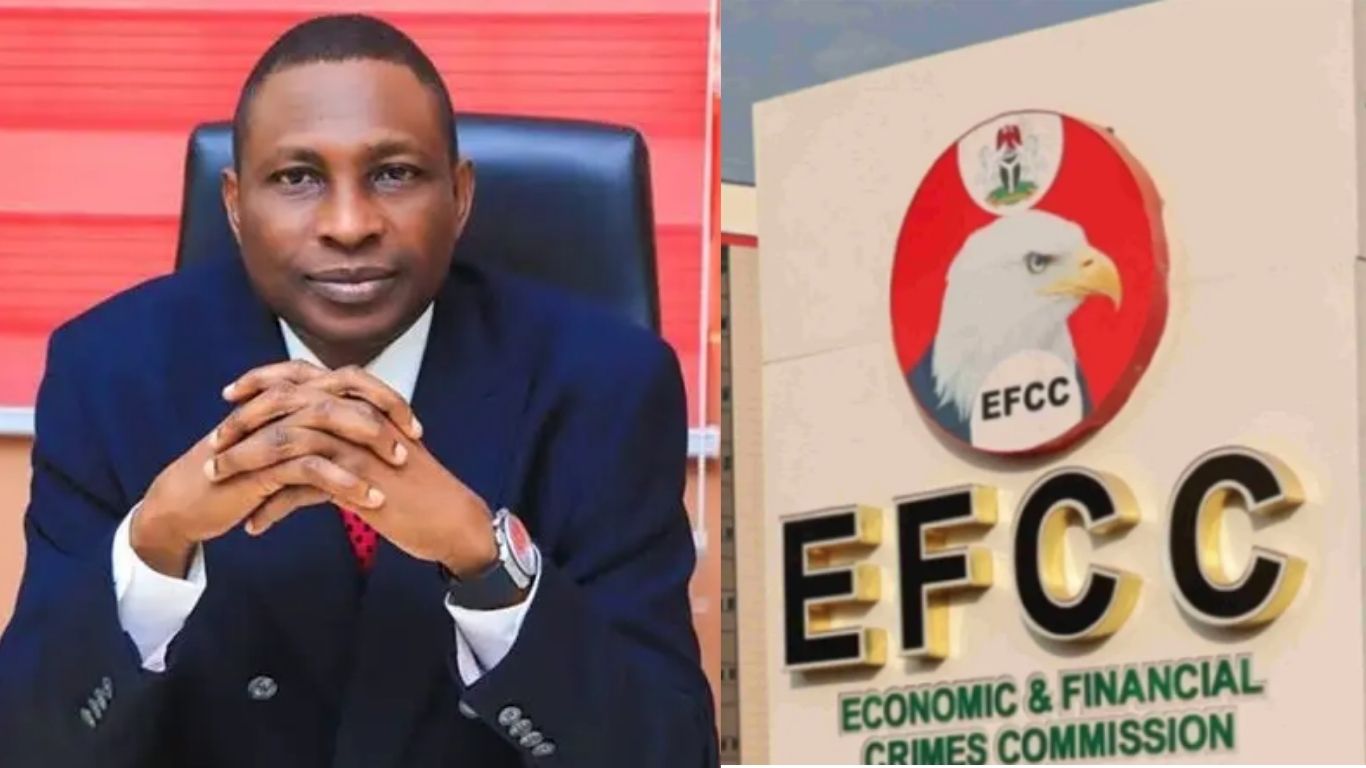
The Chairman of the Economic and Financial Crimes Commission (EFCC), Ola Olukoyede, has raised concerns about the number of people with religious titles appearing in the commission’s financial-crime case files.
Olukoyede disclosed on Wednesday, September 23, 2026, while speaking at the 2026 Second Council Meeting of the Nigeria Inter-Religious Council (NIREC) in Abuja, where the EFCC also presented an interfaith anti-corruption manual for religious leaders.
According to the EFCC chairman, some suspects investigated and prosecuted for financial crimes have identified themselves as pastors, imams, bishops, reverends and other religious figures. He said some of those individuals were later convicted and were serving prison sentences.
“I have my case files full of these titles,” Olukoyede said, according to reports of his remarks at the meeting.
EFCC Questions Use of Religious Titles
Olukoyede said the situation had prompted him to question whether religious titles should continue to be used in circumstances where individuals are facing criminal allegations.
He suggested that religious communities should reconsider how such titles are conferred and emphasised that a person's religious identity should not shield them from accountability under the law.
The EFCC chairman argued that religious leadership should be judged by conduct and integrity rather than titles or outward appearances.
His comments were not directed at all pastors, imams or religious leaders. Rather, he was addressing cases in which individuals bearing such titles had allegedly become involved in financial crimes.
Olukoyede also recounted an encounter with a suspect who, according to him, introduced himself using several religious titles when brought before the EFCC for investigation.
The chairman said he redirected the discussion to the substance of the allegation, stressing that religious status could not override an investigation into suspected financial misconduct.
'Financial Crime Has No Religion'
Olukoyede stressed that corruption and financial crimes should not be viewed through religious or ethnic identities.
“Financial crime has no religion. Corruption has no tribe,” he said, according to reports of the meeting.
He explained that the consequences of corruption affect Nigerians regardless of their religious affiliation. Public resources lost through fraud, he noted, can affect hospitals, roads, employment and other public services used by people across religious communities.
The EFCC chairman therefore called on religious institutions to become more active in preventing corruption rather than waiting until criminal conduct occurs before condemning it.
EFCC Urges Churches and Mosques to Challenge Unexplained Wealth
Olukoyede also criticised the practice of celebrating individuals because of their wealth without questioning how the wealth was acquired.
He urged churches, mosques and other religious institutions to exercise greater caution when accepting large donations or celebrating wealthy individuals whose sources of income may be unclear.
According to the EFCC chairman, religious institutions can play an important preventive role by discouraging the pursuit and celebration of unexplained wealth.
He said the fight against corruption should not depend solely on investigations, arrests, prosecutions and asset recovery.
The EFCC, he explained, can investigate and prosecute financial crimes, while religious institutions can influence the values and behaviour of their followers.
Pilgrimage Funds Also Raised
The EFCC chairman also referred to previous investigations involving funds allocated for religious pilgrimages.
He alleged that investigations into some Christian and Muslim pilgrimage-related activities had uncovered serious financial irregularities.
Olukoyede said religious leaders and institutions had a responsibility to ensure that funds entrusted to them were properly managed and protected from diversion.
He also called for clearer separation between funds belonging to religious organisations and the personal finances or businesses of their leaders.
Sultan Calls for Equal Application of the Law
The meeting also featured remarks from the Sultan of Sokoto, Muhammad Sa'ad Abubakar III, who supported the principle that individuals suspected of wrongdoing should face the law irrespective of their religious status.
The Sultan cautioned against religious leaders intervening to shield individuals from legitimate legal proceedings simply because they are pastors, imams or other religious figures.
The broader discussion at the NIREC meeting focused on the role of religious institutions in promoting ethical conduct, national unity and the fight against corruption.
What the EFCC Statement Means
Olukoyede's remarks highlight a broader issue in Nigeria's anti-corruption campaign: the challenge of separating religious identity, social influence and public accountability.
Being a pastor, imam, bishop, reverend or other religious figure does not, by itself, establish involvement in financial crime. Criminal responsibility must be determined through evidence and due legal process.
At the same time, the EFCC chairman's comments indicate that the agency has encountered financial-crime cases involving individuals who carry religious titles.
The central message from the meeting was therefore not that religious leaders as a group are criminals, but that religious status should not be allowed to become a shield against investigation or prosecution where credible allegations of financial crime exist.
For religious institutions, the EFCC's position places greater emphasis on financial transparency, scrutiny of donations and the moral responsibility of leaders to discourage unexplained wealth.
As Nigeria continues to battle corruption and financial crime, the discussion also raises questions about the role churches, mosques and other faith communities can play in preventing corruption before it reaches the stage of investigation and prosecution.
The EFCC says enforcement remains necessary, but argues that prevention requires broader participation from religious and community institutions.
Source: Reports from the Economic and Financial Crimes Commission's presentation at the 2026 Second Council Meeting of the Nigeria Inter-Religious Council in Abuja, as reported by GistReel, Vanguard, The Guardian, Tribune and Punch.