
United States | News
US Navy Confirms 8 Suicide Attempts During Prolonged USS Abraham Lincoln Deployment
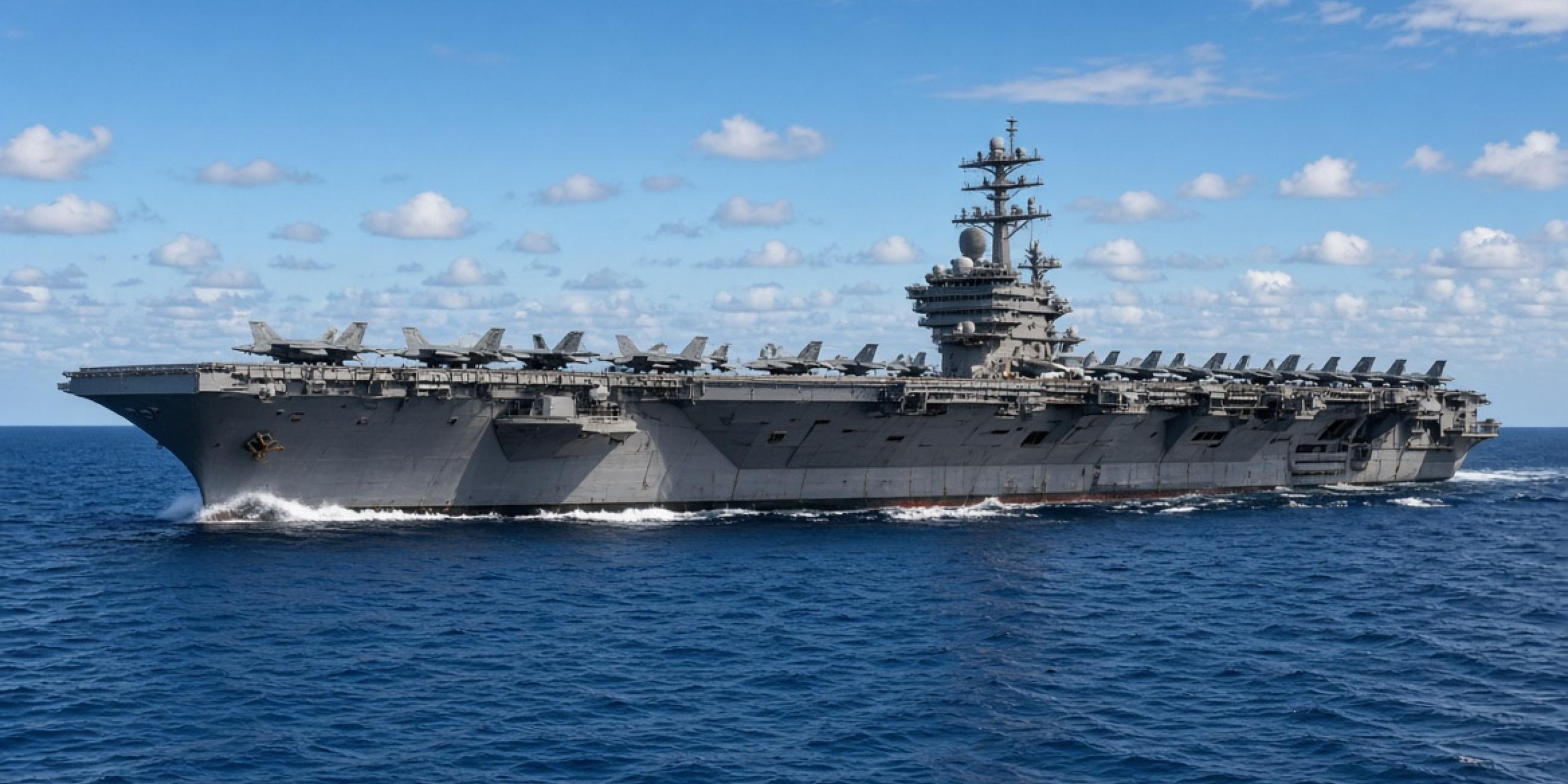
US Navy Confirms Eight Suicide Attempts During USS Abraham Lincoln Deployment
Washington, September 24, 2026 — The US Navy has confirmed that eight service members attempted suicide during the extended deployment of the USS Abraham Lincoln carrier strike group, according to a letter from Acting Navy Secretary Hung Cao to US Senator Kirsten Gillibrand.
The disclosure provides new details about the mental-health challenges faced by personnel during one of the US Navy's longest recent deployments.
Importantly, the Navy said the figure covers the entire Lincoln carrier strike group, rather than only personnel serving aboard the USS Abraham Lincoln aircraft carrier itself. The group includes the carrier's crew, carrier air wing, strike-group and destroyer-squadron staffs, escorting destroyers and embarked aviation squadrons.
The Navy also said there were no suicide deaths during the deployment.
Eight Suicide Attempts Recorded
In his response to questions from Senator Gillibrand, Cao said eight suicide attempts had occurred since the beginning of the Lincoln strike group's deployment.
The deployment began in November 2025 and continued for months as the carrier strike group operated in the Middle East and supported US military operations during the conflict involving Iran.
According to the Navy secretary's letter, the eight cases occurred across the wider strike group rather than exclusively aboard the carrier.
A US defence official told CBS News that two of the eight attempts occurred during active fighting with Iran.
The disclosure comes after concerns had been raised publicly about the physical and psychological strain associated with the prolonged deployment.
Sailor Went Overboard in August
The Navy also disclosed details of two incidents involving sailors going overboard or attempting to do so.
According to Cao's letter, a sailor assigned to the carrier's air wing went overboard in early August but was quickly recovered by a search-and-rescue helicopter.
The sailor was subsequently removed from the ship for follow-up care.
In a separate incident in March, another sailor attempted to go overboard but was stopped by fellow service members. The sailor received immediate medical care and was subsequently returned to the home port.
The Navy has not publicly identified the sailors involved.
Deployment Lasted for More Than 250 Days at Sea
The USS Abraham Lincoln's deployment attracted increasing attention because of its extraordinary length.
The carrier left California in November 2025 and spent more than 250 consecutive days at sea during part of the deployment. It eventually made a port stop in Thailand in early September after spending months operating in the South China Sea and Middle East.
The carrier strike group involved approximately 6,000 to 7,000 sailors across several ships, according to reports citing the Navy's disclosures.
The prolonged deployment coincided with combat operations involving Iran, placing additional operational demands on personnel.
Concerns Over Mental Health and Living Conditions
The latest disclosure follows reports from military families and lawmakers who had raised concerns about the mental health and living conditions of sailors assigned to the Lincoln.
Among the concerns reported in recent months were alleged shortages of food and supplies, plumbing problems and prolonged periods without a port visit.
The reports prompted questions in Congress about whether the Navy was adequately addressing the physical and psychological needs of personnel deployed for such an extended period.
The Pentagon and Navy have defended the support available to sailors, saying personnel had access to mental-health professionals, chaplains and other resources.
Mental-Health Resources Were Available
Cao said the Lincoln strike group had several personnel and services dedicated to supporting the emotional and psychological welfare of sailors.
According to the disclosed information, the carrier had five chaplains, an embedded prevention counsellor, a psychologist, a clinical social worker, three behavioural-health technicians and an expeditionary facility dog during the deployment.
The Navy has also emphasised the importance of encouraging service members to seek assistance when experiencing emotional distress.
In a video released before the latest disclosure, Cao said the Navy must address suicide among service members and encouraged personnel to speak openly about their struggles.
Trump Administration Had Previously Faced Questions
The disclosure has renewed scrutiny of earlier statements concerning conditions aboard the Lincoln.
In August, reports emerged alleging deteriorating morale and mental-health problems among some personnel aboard the carrier.
President Donald Trump subsequently dismissed some of the reports as inaccurate, while Defence Secretary Pete Hegseth also said the situation had been misrepresented.
The Navy's latest disclosure confirms that eight suicide attempts occurred across the Lincoln strike group during the deployment, although the Navy has said the number does not necessarily represent an increase compared with other deployments.
That distinction is important because the existence of eight attempts does not, by itself, establish that the deployment caused those incidents or that the rate was higher than comparable Navy deployments.
USS Lincoln Now Returning Home
The Lincoln has already been relieved from its Middle East mission by another US aircraft carrier, the USS George Washington.
The Lincoln subsequently travelled through Thailand and Guam as it began its journey toward its home port in San Diego.
The Navy has not publicly disclosed the carrier's precise return schedule, citing operational-security considerations.
What the Navy's Disclosure Establishes
The latest information establishes several key facts:
Eight suicide attempts occurred across the USS Abraham Lincoln carrier strike group during its deployment.
The figure includes personnel from the carrier, air wing, destroyer squadron, escorting ships and other components of the strike group.
No suicide deaths were recorded during the deployment, according to the Navy.
At least two incidents involved sailors going overboard or attempting to do so.
One sailor went overboard in August and was recovered.
Another attempted to go overboard in March but was stopped by fellow sailors.
The deployment lasted for many months and included more than 250 consecutive days at sea during part of the mission.
The Navy says mental-health professionals, chaplains and other support resources were available to personnel.
Factful24 Takeaway
The US Navy's disclosure provides official confirmation that eight suicide attempts occurred within the USS Abraham Lincoln carrier strike group during its prolonged deployment.
The disclosure adds substance to earlier concerns about the psychological pressures associated with lengthy deployments, but it does not by itself establish that the deployment caused the incidents or that the suicide-attempt rate was higher than comparable Navy operations.
What is clear is that the Lincoln's unusually prolonged deployment, combat responsibilities and extended periods at sea have prompted serious questions in Congress and among military families about the welfare and mental health of US service members.
The Navy says it has provided mental-health and other support services and has stressed the importance of addressing suicide among military personnel.
Source: US Navy disclosure reported by CBS News, AFP, Sky News and other international news organisations.