
Africa | News
BREAKING: DR Congo Ebola Outbreak Spreads to Two More Health Zones as Death Toll Nears 3,800
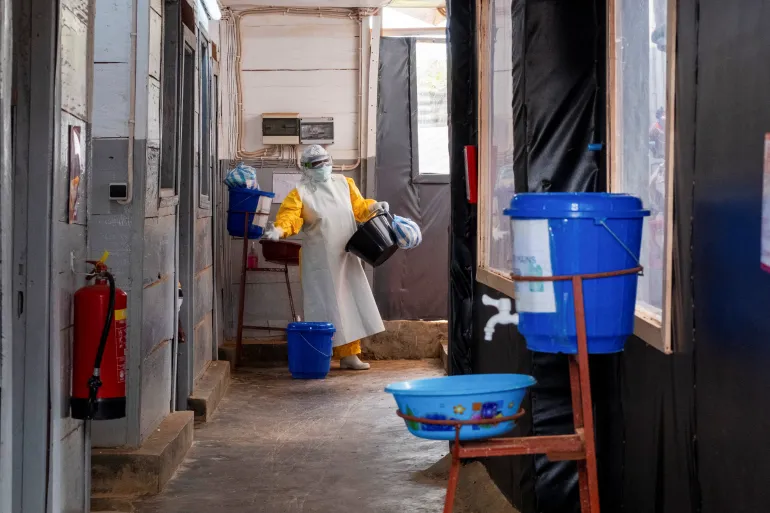
The Democratic Republic of the Congo (DRC) is experiencing further geographic expansion of its Ebola outbreak, with the Bundibugyo virus now detected in two additional health zones.
According to the World Health Organisation (WHO), the newly affected areas are Bulu in Sud-Ubangi Province and Dungu in Haut-Uélé Province, which borders South Sudan. This brings the outbreak to 63 affected health zones across seven provinces.
7,890 confirmed cases and 3,799 deaths
As of September 23, 2026, WHO reported:
7,890 confirmed cases
3,799 confirmed deaths
1,966 recoveries
63 affected health zones
7 affected provinces
A reported crude case-fatality ratio of 48.1%
WHO says new cases remain high nationally, although transmission levels vary considerably between provinces and individual health zones.
Why the latest spread is significant
The addition of Bulu and Dungu is important because it represents further geographical expansion of the outbreak.
Dungu's location near South Sudan also increases concern about potential cross-border transmission. WHO has previously assessed the risk to countries sharing a land border with the DRC as high, while its assessment for the rest of Africa and globally remained low at the time of its August assessment.
Contact tracing is falling far behind.
One of the biggest challenges is identifying people who may have been exposed.
Africa CDC Director-General Jean Kaseya told Reuters that health authorities had identified only about 30,000 contacts, compared with an estimated 420,000 contacts that would ordinarily be expected from roughly 7,000 confirmed cases.
Reuters also reported that more than 80% of newly confirmed cases were being detected among people who were not already on contact lists, indicating that transmission remains widespread outside established surveillance networks.
Kaseya said the situation indicates that the outbreak remains entrenched in communities.
Conflict is making the response harder.
The Ebola response is taking place against a backdrop of armed conflict and population displacement.
WHO Director-General Tedros Adhanom Ghebreyesus said conflict and displacement are making it more difficult for health workers to reach affected communities and conduct contact tracing.
This creates a dangerous cycle: insecurity makes communities harder to reach, delayed diagnosis increases the possibility of further transmission, and fear can discourage people from seeking treatment.
No approved vaccine specifically for Bundibugyo Ebola
Another complication is the virus itself.
The current outbreak is caused by Bundibugyo virus, rather than the Zaire strain responsible for several previous major Ebola outbreaks.
WHO says there are currently no approved vaccines or specific treatments for Bundibugyo virus disease. Clinical trials are underway, while WHO has recommended that the licensed Ervebo vaccine be used against Bundibugyo only within a research protocol because its effectiveness against this strain remains uncertain.
Important clarification
This is not simply a new Ebola outbreak beginning in September. WHO says the current Bundibugyo outbreak was first detected in the DRC in May 2026 and has progressively expanded.
WHO's September 25 update describes it as the largest Ebola disease outbreak ever recorded in the DRC, regardless of Ebola virus species, and the second documented Bundibugyo outbreak in the country.
Source: https://www.aljazeera.com/news/2026/9/25/dr-congos-ebola-outbreak-spreads-to-two-new-health-zones-who-says