
Human Interest | Public Safety
NIN Data Scandal: Nigerians' Identity Information Allegedly Offered Online for ₦250 as NIMC Investigates
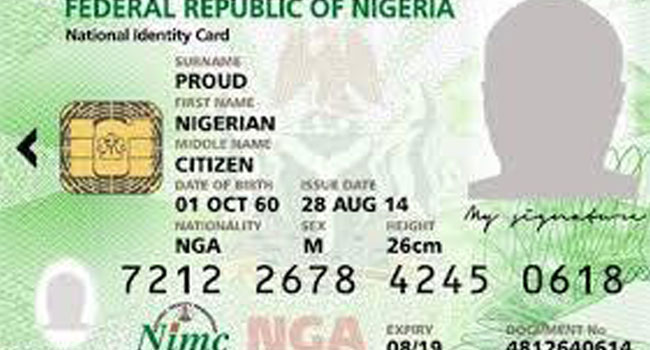
September 26, 2026: Fresh concerns have emerged over the security of Nigerians' personal identity information after investigative reporting and a viral social-media video highlighted an online marketplace allegedly offering access to NIN, BVN and other personal information for as little as ₦250.
The controversy has prompted the National Identity Management Commission (NIMC) to order an investigation into whether authorised verification agents or their sub-licensees improperly allowed third parties to access identity-verification services.
However, there is an important distinction between unauthorised access to identity records through verification channels and a confirmed hack or compromise of NIMC's central database.
What triggered the latest alarm?
The issue gained renewed attention after digital-rights organisation GST published a video on September 22 showing an alleged operator offering access to Nigerians' NIN and BVN information for ₦250.
The video revived earlier investigations by the Foundation for Investigative Journalism (FIJ) into the alleged illegal trade in Nigerians' identity information.
FIJ subsequently reported that it tested an identity-data marketplace and was able to retrieve identity information associated with telephone numbers belonging to publicly identifiable organisations, including a number associated with an NIMC call centre. FIJ said it redacted sensitive information in the published material.
NIMC: “The database has not been breached”
NIMC has strongly rejected claims that its National Identity Database has been hacked.
The commission said its systems remain protected and described claims circulating on social media as misleading.
NIMC spokesperson Kayode Adegoke said the commission had security measures in place to protect the personal information contained in the National Identity Database.
NIMC nevertheless ordered a comprehensive investigation to determine whether tokenisation verification agents breached their licensing agreements, either directly or through sub-licensees.
That distinction is crucial.
NIMC is denying a compromise of its central database while simultaneously investigating whether authorised access mechanisms may have been abused.
How could identity information allegedly be accessed?
FIJ's reporting has raised questions about the role of licensed Front End Partners and verification agents.
An earlier investigation alleged that some licensed partners had allowed verification tokens to be accessed by unauthorised third parties through sub-leasing arrangements.
If independently established, such arrangements could create a pathway through which people outside the authorised verification ecosystem obtain access to identity information without proper authorisation.
Why ₦250 is causing concern
The reported ₦250 price is significant because it suggests that sensitive identity information could potentially be obtained cheaply enough to facilitate mass exploitation if the alleged service operates as described.
NIN information is particularly sensitive because the NIN is Nigeria's foundational identity identifier and is used to establish or verify a person's identity across multiple services. The NCC describes it as the unique digital identifier connecting an individual's identity records to the National Identity Database.
A person's identity information can potentially become useful to criminals for activities such as identity theft, impersonation, fraudulent account creation and targeted scams.
However, the existence of an alleged marketplace does not by itself establish that every record it claims to possess came directly from NIMC or that every record offered is genuine.
This is not the first warning.
Concerns about the unauthorised commercialisation of Nigerians' identity information are not new.
In 2024, NIMC responded to reports concerning websites allegedly offering NIN, BVN and other personal information for sale. The commission said those websites were not authorised to access or manage sensitive NIN information and warned Nigerians against submitting their details to unauthorised platforms.
The current controversy therefore raises a broader question: have previous warnings and security measures been sufficient to prevent unauthorised access to Nigeria's identity-verification ecosystem?
What NIMC is investigating
According to NIMC, the investigation is intended to determine whether its tokenisation verification agents violated their licensing conditions.
This includes examining whether breaches occurred through sub-licensees.
The commission has also urged Nigerians to use only approved channels for NIN verification and other identity-related services.
What Nigerians should do
Nigerians should avoid giving their NIN, BVN, date of birth, phone number, photographs, or other identifying information to websites or individuals claiming to offer unofficial verification services.
The NCC also advises Nigerians to use Virtual NIN (VNIN) when appropriate. VNIN is an encrypted representation of the actual NIN designed to allow verification without exposing the underlying NIN in the same way.
Most importantly, Nigerians should not attempt to test alleged black-market websites themselves. Visiting or paying such platforms could expose additional personal or financial information.
What is confirmed — and what isn't?
Claim Current evidence
NIN/BVN information has allegedly been offered for ₦250 Reported and demonstrated in investigative/video reports
NIMC's entire database has been hacked Not established; NIMC denies this
Unauthorised access to identity-verification channels is being investigated Confirmed by NIMC
Licensed verification arrangements may have been abused Under investigation/alleged
Every Nigerian's NIN is publicly available: not established
Nigerians should avoid unauthorised verification websites NIMC/NCC guidance
FACTFUL24 Bottom Line
The most accurate conclusion at this stage is not that “Nigeria's entire NIN database has been hacked.”
Rather, credible investigative reporting has documented alleged commercial access to Nigerians' identity information, while NIMC says its central database remains protected and has opened an investigation into possible abuse of authorised verification channels.
That investigation will be important in establishing where the data came from, who had access to it, whether licensing rules were breached, and how many Nigerians may have been affected.
Sources: FIJ, NIMC statements reported by Channels TV/Nairametrics, PM News, NCC and other reporting cited above. https://fij.ng/article/nimc-insists-database-is-protected-yet-nin-details-of-its-official-number-still-up-for-grabs