
Entertainment | Africa | Asia | United States | Europe
VDM Explains Why He Keeps Criticising the Church, Says Government Benefits From Religious Influence
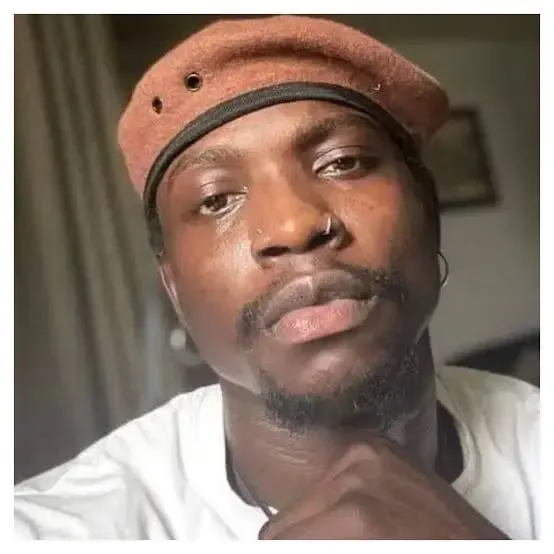
Social media activist Martins Vincent Otse, popularly known as VeryDarkMan (VDM), has explained why his criticism frequently targets churches and religious institutions, amid the ongoing controversy involving Apostle Arome Osayi.
VDM addressed the issue after some Nigerians accused him of repeatedly attacking the church while allegedly paying less attention to the government. In his response, he argued that his criticism is not driven by opposition to Christianity but by what he sees as the relationship between religious institutions, citizens and political accountability.
According to reports of his remarks, VDM argued that government remains responsible for providing essential public services, including security, employment opportunities and healthcare. He questioned why citizens would primarily pray for improvements in areas that, under Nigeria's constitutional system, are also responsibilities of government.
“Why are you praying for security? The government is supposed to create security for you,” he said, according to Legit.ng
VDM's argument about religion and government.
VDM further alleged that Nigerian governments benefit from the strong influence of religion because religious faith can sometimes reduce pressure on political leaders.
He cited government involvement in Christian and Muslim pilgrimages as an example of the relationship between the state and religious institutions, arguing that politicians have an interest in maintaining strong ties with religious communities. These are VDM's claims and should be distinguished from independently established facts about government policy or motive.
He also argued that if Nigerians shifted more attention from praying for solutions to demanding concrete action from elected officials, political leaders would face greater public accountability.
His comments come amid the Arome controversy
VDM's explanation comes against the backdrop of his public dispute with Apostle Arome Osayi.
The controversy intensified after Arome's comments about Nigeria's supposed national calling to revival and prayer, which VDM challenged by contrasting Nigeria's development with countries such as China and the United States. VDM argued that Nigerians should not be encouraged to rely on prayer at the expense of innovation, creativity and practical action.
The disagreement later became personal after VDM mocked aspects of Arome's appearance, drawing criticism from several Christian figures. Catholic priest Fada Oluoma, for example, argued that criticism should be distinguished from caricature and called on VDM to apologise for mimicking the preacher.
VDM also linked religion to insecurity
In explaining his broader criticism, VDM reportedly discussed religious radicalisation and insecurity in Nigeria. He referenced Boko Haram founder Abubakar Shekau and the almajiri system while making an argument about how inadequate education and economic opportunities can contribute to radicalisation.
Those comments represent VDM's interpretation of the causes of insecurity rather than an established explanation that can be attributed solely to one factor.
The wider debate
The latest comments have therefore expanded the Arome–VDM dispute beyond the original disagreement about Nigeria's spiritual identity.
Arome's position, as reported from his sermon, emphasised what he described as Nigeria's spiritual calling and role in Christian revival. VDM's response places greater emphasis on practical development, government accountability, innovation and institutional responsibility.
The controversy has consequently raised a broader question about the role of religion in Nigerian public life: should spiritual faith and prayer be viewed primarily as sources of national transformation, or should religious belief be accompanied by stronger demands for practical governance, innovation and institutional accountability?
For now, VDM maintains that his criticism of religious institutions is part of his broader argument about accountability rather than an attack on Christianity itself.
Source: Legit.ng, reporting on VDM's September 30, 2026 comments.