
News
Odumeje Rejects ‘Nigeria’s Calling Is Prayer’ Narrative, Urges Youths to Drive Development
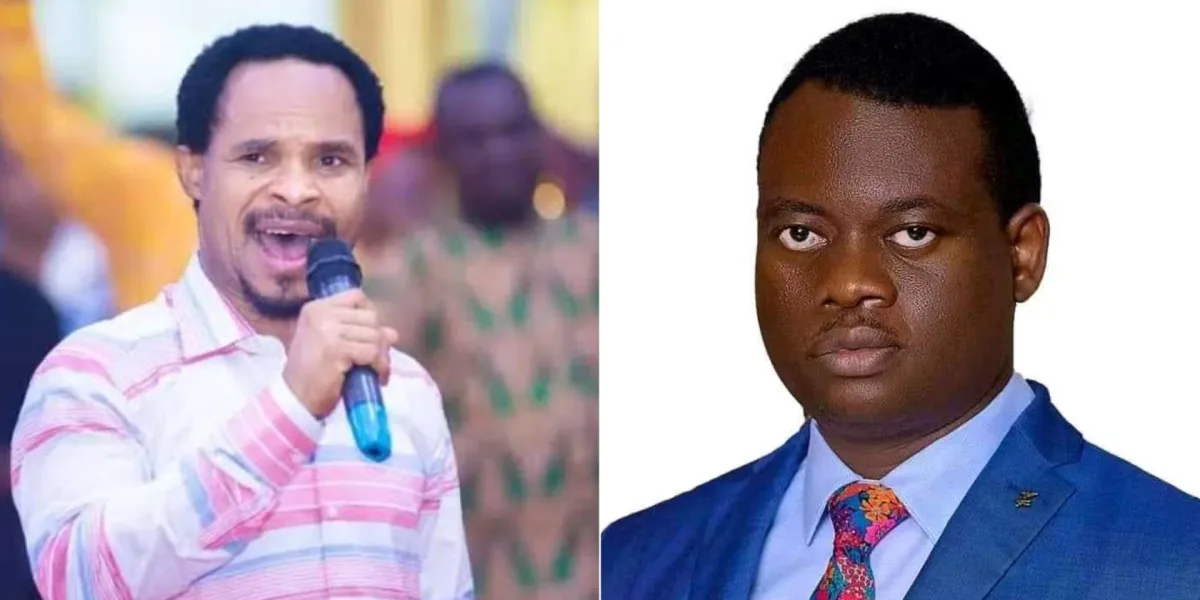
Prophet Chukwuemeka Ohanaemere, popularly known as Odumeje, has stirred fresh conversation over religion, governance and national development after challenging the view that Nigeria’s main calling is prayer.
In a video circulating online, the controversial cleric appeared to react to remarks attributed to another pastor who reportedly described Nigeria as a country with a “calling to prayers.”
Odumeje questioned the idea that Nigerians should define their national identity mainly through prayer and religious activity while the country continues to face serious economic, political and social challenges.
“I heard one pastor talking nonsense, saying Nigeria has a calling to prayers. Which kind of calling is that? Are we prayer warriors?” Odumeje said.
He argued that Nigeria’s true calling should centre on development, innovation and productivity.
“We have a calling to be developers,” he declared.
Odumeje Blames Poor Governance
Odumeje linked the country’s growing dependence on religious institutions to poor leadership and weak governance.
According to him, difficult living conditions, unemployment, insecurity and the failure of public institutions have pushed many Nigerians toward churches and religious leaders in search of solutions.
“Bad government is what has caused all these churches across the country,” he said.
The cleric suggested that young Nigerians should not be made to believe that religious activities alone can solve problems created by bad governance, poor policies and a lack of accountability.
His argument was not presented as a rejection of Christianity or faith. Rather, it focused on the need for Nigerians to balance prayer with practical action, professional growth, innovation and civic responsibility.
‘Nigerian Youths, Let’s Come Out’
Odumeje also called on Nigerian youths to become more involved in shaping the country’s political future.
“Nigerian youths, let’s come out, fight for ourselves and take back our government,” he said.
The statement places emphasis on youth participation, political awareness and citizens’ responsibility to demand better leadership.
Rather than remaining passive while political leaders make decisions that affect their future, Odumeje urged young Nigerians to become active participants in governance and national development.
His message suggests that Nigeria’s younger generation should pursue education, skills, entrepreneurship, public service and political engagement alongside their religious beliefs.
Prayer, Faith and Development
Odumeje’s remarks come amid a wider online debate about whether Nigeria should place more emphasis on spiritual revival or practical development.
Recent discussions involving some Nigerian religious leaders have raised questions about productivity, innovation and the country’s place in the global economy. The debate gained attention following reported comments by Apostle Arome Osayi on Nigeria’s identity and productivity, including comparisons with more industrialised countries such as China.
Odumeje’s intervention adds a different perspective to the discussion.
He appears to argue that faith and development do not have to compete with one another. Nigerians can pray, worship and remain committed to their beliefs while also building businesses, learning technical skills, creating jobs, improving institutions and holding public officials accountable.
He reportedly referenced professions such as medicine and engineering, stressing that Nigerians should identify their talents and pursue meaningful careers instead of allowing their ambitions to be limited by a narrow interpretation of spiritual purpose.
Why His Comments Are Drawing Attention
Odumeje’s comments are generating reactions because they touch on one of Nigeria’s most sensitive national issues: the role of religion in addressing political and economic problems.
Nigeria remains one of the world’s most religious societies, with prayer playing an important role in the daily lives of millions of people. However, the country also continues to face major concerns, including:
- Unemployment and poverty
- Insecurity and crime
- Poor infrastructure
- Weak public services
- Economic hardship
- Governance challenges
- Youth frustration and political distrust
For many Nigerians, prayer remains a source of comfort, hope and spiritual strength. But Odumeje’s central message is that prayer should not replace practical efforts to solve problems.
A Call for Faith Backed by Action
At the heart of Odumeje’s comments is a straightforward challenge: Nigerians should not wait for religious intervention alone to fix issues that require competent leadership, technical expertise, innovation and responsible citizenship.
His message is that Nigerians can remain people of faith while also becoming entrepreneurs, doctors, engineers, builders, creators, innovators and politically conscious citizens.
With Nigeria gradually moving toward the 2027 general elections, Odumeje’s call for youth participation also carries a strong political message. He did not endorse any political party or candidate in the remarks, but he urged young people to take greater ownership of the country’s direction.
Whether Nigerians agree with his criticism of the “prayer warrior” narrative or not, Odumeje’s argument is clear: Nigeria needs citizens who will not only pray for change but also acquire skills, build institutions, demand accountability and work actively toward national development.
Source: https://www.gistreel.com/nigeria-has-a-calling-to-be-developers-not-prayer-warriors-odumeje/