
Currency Exchange Rate | News
Dollar to Naira Rate Today — Monday, October 5, 2026
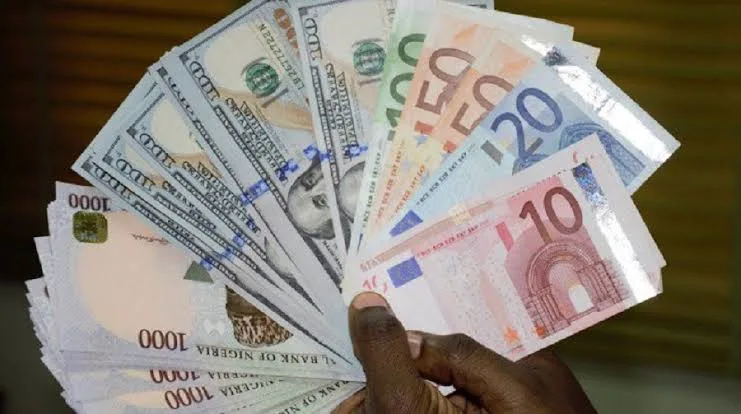
The naira opened the week relatively stable against the United States dollar on Monday, October 5, 2026. Available market data placed the official Nigerian Foreign Exchange Market, NFEM, rate at about ₦1,327.08 per dollar, while reported parallel-market rates ranged from roughly ₦1,370 to ₦1,390 per dollar.
The Central Bank of Nigeria states that the NFEM rate is the official exchange rate and is derived from a volume-weighted average of transactions in the formal market.
Dollar to Naira Snapshot
| Market | Reported dollar rate |
| Official NFEM rate | About ₦1,327.08/$ |
| Alternative market reference | About ₦1,327.46/$ |
| Parallel market range | About ₦1,370–₦1,390/$ |
| Parallel-market buy rate | About ₦1,355/$ |
| Parallel-market sell rate | About ₦1,370/$ |
The ₦1,355 buying and ₦1,370 selling quotations were listed by NgnRates. These are reported parallel-market figures and may differ by location, dealer, transaction size and the time of exchange.
Naira Remains Relatively Stable
Reports indicated that the naira began the new trading week without a major swing in either the official or parallel market.
At the official window, the dollar traded near ₦1,327.08. Market reports attributed the relative stability to improved liquidity, increased turnover and continuing Central Bank policy measures aimed at strengthening the formal foreign-exchange market.
The difference between the official rate and the reported street-market rate also remained narrower than during periods when the two markets diverged more sharply.
Using the ₦1,327.08 official rate and ₦1,370 parallel-market sell rate, the gap is about:
₦1,370−₦1,327.08=₦42.92₦1,370 - ₦1,327.08 = ₦42.92₦1,370−₦1,327.08=₦42.92
That means the reported parallel-market sell rate was roughly ₦42.92 higher per dollar than the official NFEM rate.
Official Rate vs Parallel Market
The figures should not be treated as interchangeable.
- The official/NFEM rate applies to transactions processed through the formal foreign-exchange market, including banks and other licensed channels.
- The parallel-market rate reflects informal street-market quotations and can vary significantly by city, dealer, demand and available dollar supply.
- The actual price offered to an individual or business can differ from published rates because of transaction size, documentation, transfer method and market timing.
Therefore, a headline rate of ₦1,327 per dollar does not mean every person buying or selling cash dollars will receive that exact price.
Why the Rate Matters
Exchange-rate movements affect the cost of imported goods, overseas tuition, international travel, foreign subscriptions, medical payments abroad and business transactions requiring foreign currency.
For importers, a weaker naira raises the local-currency cost of products such as machinery, electronics, vehicles, pharmaceuticals and raw materials. For Nigerians receiving dollar-denominated income or remittances, a higher naira-per-dollar conversion rate can mean more naira when funds are exchanged.
Market participants will continue to watch foreign-exchange liquidity, external reserves, crude-oil earnings, diaspora remittances, import demand, investor confidence and future CBN policy decisions.
Bottom Line
As of Monday morning, October 5, 2026, $1 traded at about ₦1,327.08 in the official NFEM market, while reported parallel-market quotations were around ₦1,370–₦1,390.
Because exchange rates can move during the day, anyone planning to exchange money should confirm the prevailing rate directly with a licensed bank, Bureau de Change or authorised provider immediately before completing a transaction.
Source: Gistreel