
Politics
INEC Uploads NDC’s Modified Logo After Court Order Ahead of 2027 Elections
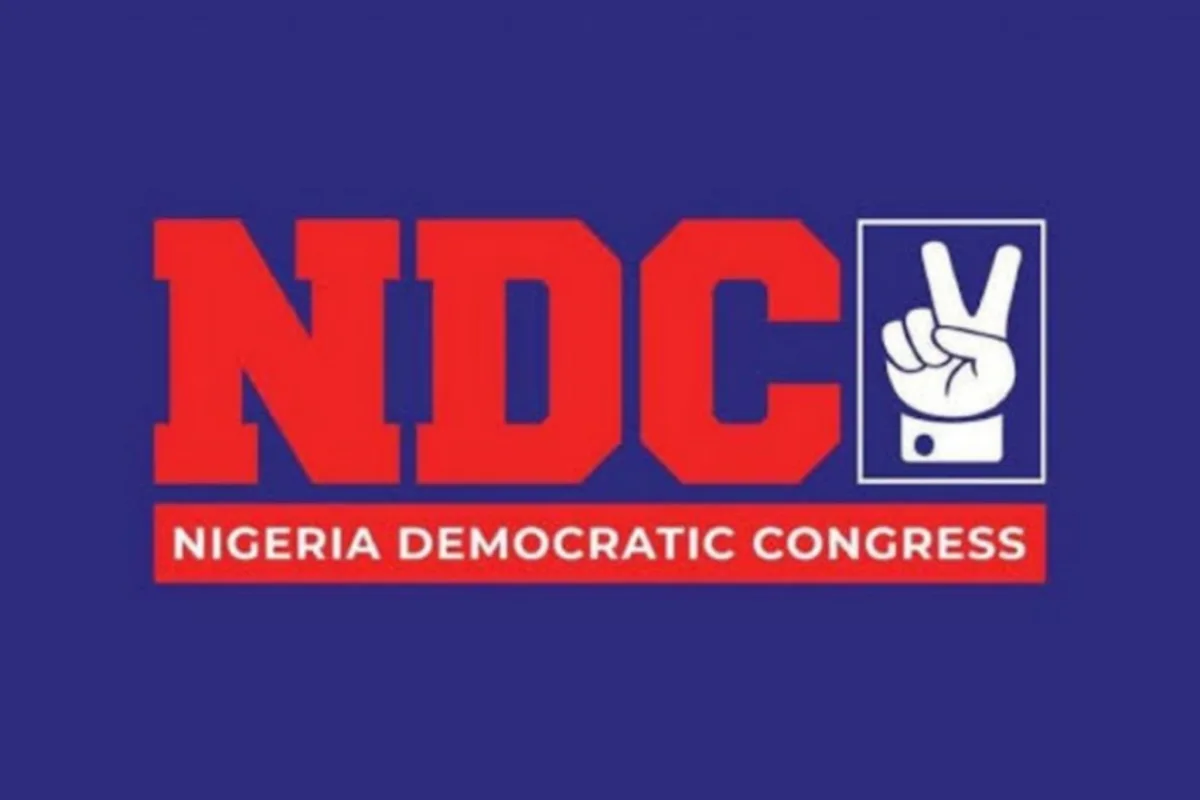
The Independent National Electoral Commission (INEC) has uploaded the modified logo of the Nigeria Democratic Congress (NDC) on its official platform following a Federal High Court order directing the electoral body to recognise and use the party’s approved symbol.
The development brings a major chapter in the NDC’s dispute with the electoral commission over its official identity to a new stage, with the party now able to proceed with its campaign branding ahead of the 2027 general elections.
The NDC’s National Leader, former Bayelsa State Governor Senator Henry Seriake Dickson, welcomed the development and commended the judiciary and INEC for implementing the court’s directive.
Court Ordered INEC to Recognise Modified Logo
The dispute dates back to the party’s decision to modify its logo after its first National Executive Committee meeting on March 25, 2026.
According to court documents reported by TheCable, the NDC had submitted the modified design to INEC, but the commission subsequently reverted to the logo associated with the party's earlier registration.
The disagreement eventually resulted in litigation.
On September 8, 2026, Justice J.O. Abdulmalik of the Federal High Court in Abuja ordered INEC to approve and upload the NDC’s modified logo, including its symbol and colours, for use in elections conducted by the commission.
The court's order specifically recognised the modified design featuring a two-finger victory sign, with a blue background and the letters “NDC” displayed in red.
The judgment also restrained INEC from interfering with the party's use of the approved symbol.
Why the Logo Became a Legal Issue
The dispute was not simply about graphic design.
The NDC's logo had become part of a broader legal disagreement involving the party's registration and the competing claims surrounding the two-finger victory symbol.
According to TheCable, the Peace Movement Party (PMP) had previously raised concerns over the similarity of the logo, arguing that it had submitted a related symbol to INEC before the NDC.
That dispute produced another round of litigation.
A Federal High Court judgment that had previously ordered the registration of the NDC was later set aside after the court found that the PMP had a direct legal interest in the matter but had not been joined to the earlier proceedings.
The substantive dispute subsequently went through further judicial proceedings.
The NDC later secured the September judgment specifically directing INEC to recognise its modified logo.
INEC Now Reflects the Change
The latest development is that INEC has now reflected the NDC's modified logo on its official platform.
The commission's current register of registered political parties lists the Nigeria Democratic Congress among the recognised parties.
It also identifies Senator Cleopas Moses Zuwoghe as National Chairman and Barrister Ikenna Morgan Enekweizu as National Secretary, with both positions marked as being recognised “By Court Order.”
This is significant because the INEC register is the commission's official public record of recognised political parties and their relevant details.
The upload therefore moves the matter beyond the party's own claim that it had won the legal battle and into the commission's publicly displayed electoral records.
Dickson Welcomes Development
Reacting to the upload, Dickson congratulated the party leadership and its members.
He thanked the judiciary, INEC Chairman Professor Joash Amupitan and members of the commission for complying with the court judgment.
Dickson also said the development would allow NDC candidates to proceed with printing campaign materials and conducting consultations with greater certainty.
He urged party members and candidates to use the approved logo and warned against misinformation that could create confusion within the party.
The former Bayelsa governor further called on NDC candidates to work with the party's structures in organising their campaign teams.
What the Development Means Ahead of 2027
Political party logos are not merely branding tools during elections.
They help voters identify candidates and parties on campaign materials and, ultimately, on election-related documents.
For a relatively new political party seeking to expand its presence ahead of a major national election, having a clearly recognised and consistent symbol is therefore important.
The NDC's latest development means its candidates can now use the court-recognised logo with the backing of the electoral commission's updated records.
It also removes one immediate source of uncertainty surrounding the party's campaign identity.
However, the logo dispute should be viewed separately from the broader political and legal questions surrounding the party's participation in the 2027 elections.
NDC's Position in the 2027 Political Landscape
The Nigeria Democratic Congress has emerged as one of the parties attracting attention ahead of the 2027 election cycle.
Former Anambra State Governor Peter Obi has been reported as the party's presidential candidate, while the party's leadership has continued preparations for the election.
The party's political significance will ultimately depend on its candidates, organisation, campaign structure, voter support and performance at the polls.
The current logo development, however, addresses an important administrative issue that could otherwise have created confusion for candidates and supporters.
The Broader Significance of Court Orders Against Electoral Bodies
The NDC case also highlights the role of the judiciary in resolving disputes involving political parties and electoral institutions.
INEC is constitutionally responsible for organising elections and regulating important aspects of the electoral process, but its decisions can be challenged where political parties believe their legal rights have been violated.
In the NDC case, the Federal High Court found that INEC's refusal to recognise the modified logo was unlawful and directed the commission to approve and use it.
The subsequent implementation of the order demonstrates how judicial decisions can affect the practical administration of elections.
It also reinforces the importance of maintaining clear legal records concerning party registration, leadership, symbols and other matters that can affect voters and candidates.
What Happens Next?
With the logo now reflected on INEC's platform, attention will shift toward the NDC's broader preparations for the 2027 elections.
Candidates will have to organise their campaigns, comply with electoral regulations and communicate their programmes to voters.
The party will also have to maintain internal cohesion as the election approaches.
For voters, the most important issue is not simply the appearance of a new logo but knowing exactly which candidates and policies the symbol represents when voting begins.
Note:
INEC has now uploaded the NDC's modified logo following a Federal High Court order directing the commission to recognise and use the party's approved symbol.
The dispute had involved the NDC's modified two-finger victory logo and competing legal claims surrounding the symbol.
INEC's current official party register now lists the Nigeria Democratic Congress and identifies its leadership, with the relevant positions marked as recognised by court order.
The development gives the party greater clarity over its official electoral identity ahead of 2027, while also highlighting the judiciary's role in resolving disputes between political parties and the electoral commission.
The next test will be whether the NDC can translate this administrative and legal development into effective organisation, campaigning and voter engagement ahead of the 2027 elections.
Source: Gistreel