
Travel | Immigration | International Jobs
UK-Israel Diplomatic Dispute Deepens Over East Jerusalem Consulate
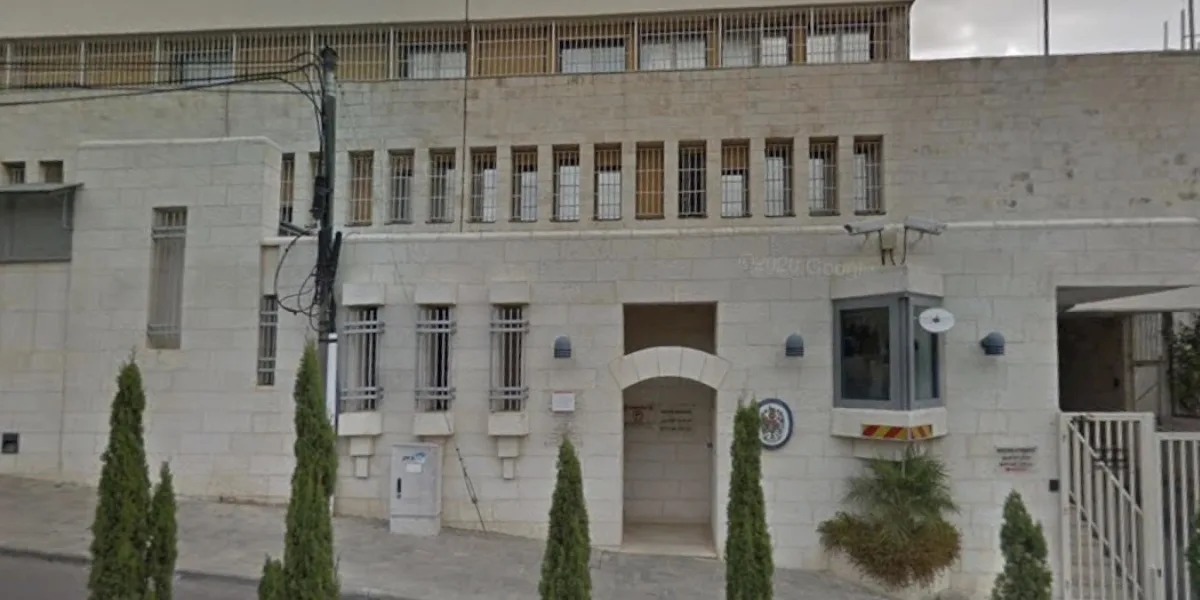
A diplomatic dispute between Israel and the United Kingdom has intensified after Israel ordered the closure of Britain’s historic consulate in East Jerusalem over London’s measures targeting Israeli settlements in the occupied West Bank.
The building has not been completely shut, however. Britain says it will remain operational under a new designation, the UK Mission, Jerusalem, while Israel maintains that the consulate has formally ceased operating in its previous capacity.
Consulate Becomes ‘UK Mission’
British Foreign Secretary Ed Miliband said the UK does not accept that Israel has the legal authority to close the facility.
“Our Consulate General building will not be closing, and will be known as the UK Mission, Jerusalem from today,” Miliband said.
He said the new mission would remain independent and operational, continue providing vital services and maintain Britain’s work with the Palestinian people.
The British government has also indicated that it intends to rebuild its diplomatic presence after temporarily reducing staff and withdrawing some personnel and families because of security concerns.
Israel Says Consular Operations Have Ended
Israeli Foreign Minister Gideon Saar gave a different account of the arrangement.
He said the consulate had ceased functioning as a consulate and that about 20 British diplomats, including the consul general, would leave Israel.
Israel has authorised a smaller team of no more than seven British diplomats to remain in the building with a limited remit.
| Issue | UK position | Israeli position |
| Status of building | Remains open as UK Mission, Jerusalem | Consulate has ceased operating |
| Diplomatic staff | Presence will continue and may later be rebuilt | About 20 diplomats will leave |
| Remaining personnel | Mission remains operational | Seven diplomats allowed with limited duties |
| Legal authority | Israel has no legal right to close it | Israel ordered the consulate to end its previous operations |
Workers removed the consulate’s signs and plaques as the Israeli deadline expired on October 8.
Why Israel Ordered the Closure
The immediate dispute began after Britain, France and Canada announced measures targeting goods produced in Israeli settlements in the occupied West Bank.
Israel viewed the British policy as hostile interference and ordered the consulate to close within 30 days. The deadline expired on October 8.reuters+1
The Israeli response also included restrictions on some British officials and changes to Britain’s participation in a US-led coordination mechanism linked to Gaza.
The closure order does not affect Britain’s embassy in Tel Aviv, which handles the UK’s formal diplomatic relationship with the Israeli government.
Why the West Bank Settlements Matter
The West Bank, including East Jerusalem, was captured by Israel in the 1967 war.
Most countries and the United Nations regard Israeli settlements in territory occupied since 1967 as illegal under international law. Israel rejects that position and disputes the legal interpretation.
Britain has said its settlement-related measures are intended to preserve the possibility of a negotiated two-state solution, in which Israel and an independent Palestinian state coexist.
Israel argues that the British measures are politically hostile and amount to interference in its internal affairs.
East Jerusalem’s Special Role
The consulate, located in the Sheikh Jarrah area of East Jerusalem, has traditionally handled Britain’s relations with Palestinians in Jerusalem, the West Bank and Gaza.
It also provides consular services to Palestinians.
The facility was established nearly 200 years ago and is separate from Britain’s embassy in Tel Aviv. That arrangement reflects the unresolved status of East Jerusalem.
Israel regards the entire city as its capital, while Palestinians claim East Jerusalem as the capital of a future state. Most countries do not recognise Israel’s sovereignty over East Jerusalem and regard it as occupied territory.
Britain’s decision to maintain a separate mission there therefore carries political significance beyond a change in diplomatic administration.
Diplomatic Escalation Avoided for Now
Britain had reportedly considered retaliatory action, including expelling Israeli diplomats from the UK, if Israel forced the consulate to close completely.
However, London has not immediately taken reciprocal action.
The compromise allows Britain to retain a physical diplomatic presence while avoiding a wider cycle of expulsions. It also leaves room for further discussions between the two governments.
The arrangement does not resolve the underlying dispute. It merely prevents an immediate and complete diplomatic rupture.
Wider Implications
The confrontation could affect other countries with consular or diplomatic facilities in East Jerusalem, including France, Belgium, Greece, Italy, Spain, Sweden and Turkey.
France also adopted settlement-related measures, although Israel has not taken comparable action against its diplomatic presence.
The British case could therefore become a precedent if other Western governments introduce additional restrictions targeting Israeli settlements.
At the same time, further action against foreign diplomatic missions could deepen Israel’s tensions with countries that have traditionally been important partners in security and defense.
Bottom Line
Israel says Britain’s East Jerusalem consulate has ended its operations, while the UK insists that the building remains open as the UK Mission, Jerusalem.
The facility will operate with a substantially smaller diplomatic team after about 20 British diplomats leave. The dispute began over British measures targeting goods from Israeli settlements in the West Bank and reflects wider disagreements over settlements, Palestinian statehood and the status of East Jerusalem.
For now, both sides have avoided full diplomatic retaliation, but the compromise has not settled the deeper UK-Israel dispute.
Source: reuters