

News
Man, Who Voted for Tinubu Says He Now Struggles to Pay Rent
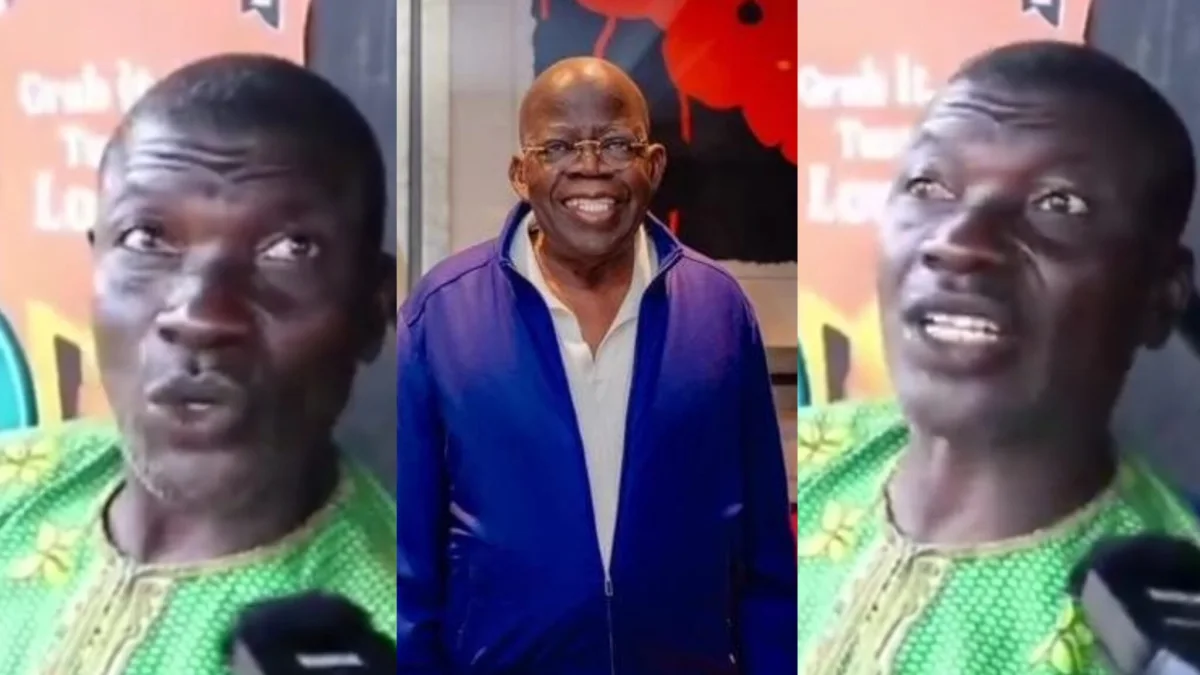
A Nigerian man who says he voted for President Bola Tinubu in the 2023 election has expressed regret, claiming that hardship has left him unable to afford rent and basic necessities.
In a viral video reported by Gistreel on Friday, October 9, 2026, the man said he had not eaten since morning and claimed he previously owned two cars and lived comfortably, but now feared losing his accommodation. His identity and personal circumstances were not disclosed, and the claims have not been independently.
“I voted for President Tinubu in 2023, thinking he would do well, but he disappointed us,” he said.
His Appeal to Tinubu
Beyond expressing regret, the man reportedly called on Tinubu to step aside and allow another person to lead the country.
His account reflects the frustration of a voter who says his expectations after the 2023 election have not been met. However, one person’s experience cannot establish the cause of his financial difficulties or represent the views of every Tinubu voter.
Cost-of-Living Pressure Is Wider
The video comes amid continuing concern about Nigeria’s cost-of-living crisis.
A Reuters report in August 2026 found that living standards for millions of Nigerians had deteriorated amid reforms including petrol-subsidy removal, naira devaluation and electricity-subsidy cuts. It reported that petrol prices had risen roughly sixfold and that many households were cutting food spending, moving to smaller homes and relying on short-term loans.
The World Bank’s latest assessment also warned that gains from Nigeria’s reforms were being threatened by high food, transport and energy costs, which continue to hit poor and vulnerable households hardest.
Reform Debate: Stabilization Versus Hardship
The Tinubu administration has defended its reforms as necessary to correct long-standing fiscal and foreign-exchange distortions.
Reuters reported that Finance Minister Taiwo Oyedele said the reforms had helped stabilize public finances, lift foreign reserves and attract investment, while acknowledging that they had been painful for ordinary Nigerians and had worsened the cost-of-living crisis in the short term.
The World Bank projected that Nigeria’s economy could grow by an average of 4.4% annually through 2028, with inflation and poverty declining if reforms are sustained and service delivery improves. But it also stressed that household relief depends on how effectively governments convert improved revenues into spending that raises living standards.
Why Rent Is So Difficult
Housing is particularly difficult for struggling households because it cannot easily be postponed.
When rent rises, moving may require money for deposits, agency fees, legal charges and transport. It can also increase commuting costs or disrupt children’s schooling. For tenants facing large advance-rent demands, even a household with some income may struggle to raise the lump sum when rent is due.
Without details of the man’s employment, income, debts or location, it is not possible to determine whether his difficulties result mainly from higher rent, lower earnings, unemployment or a combination of factors.
What It Means for 2027
The man’s story has become part of a wider debate about whether Nigerians feel meaningful improvement in their daily lives.
Voters may assess the government by whether their incomes keep pace with expenses and whether they can afford food, housing, transport, healthcare and education. But a viral video can show that a story has attracted attention; it cannot establish how the wider electorate will vote in 2027.
The central question is whether economic reforms will translate into tangible improvements in household welfare—or whether rising living costs will continue to outweigh any broader macroeconomic gains.
Source: Gistreel