

Middle East | News
World Leaders Condemn Deadly Riyadh Airport Attack as Trump Weighs Joining Saudi Strikes Against Houthis
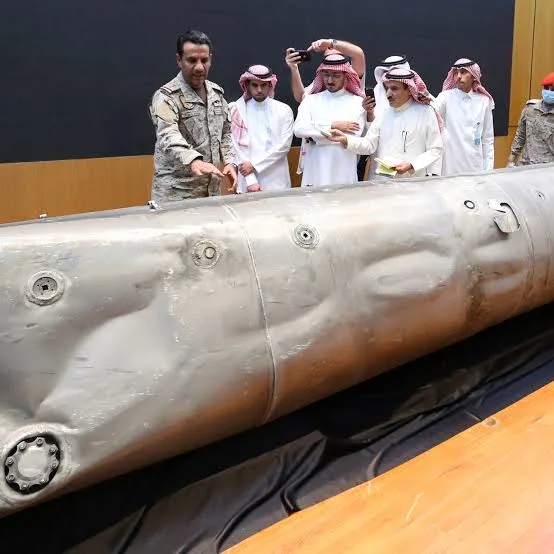
International condemnation has followed a deadly attack on King Khalid International Airport in Riyadh, Saudi Arabia, that killed at least 12 people and injured more than 300, raising fears of a wider regional conflict involving Yemen's Houthi movement and potentially the United States.
Saudi authorities said the attack on Saturday, October 10, killed four Saudi citizens and eight foreign nationals from Bangladesh, the United States, Jordan, Palestine, Syria, Sudan and Egypt. The country's General Authority of Civil Aviation reported 309 injured people, some of whom were in critical condition.
The attack has prompted strong reactions from Washington, the United Nations and several governments, with officials condemning the reported loss of civilian lives and warning of the implications for regional security.
US President Donald Trump described the attack as terrible and said Washington was considering whether to join Saudi Arabia's military campaign against the Houthis.
The prospect of direct American involvement adds another layer of uncertainty to an already intensifying conflict in Yemen, where the Houthis are fighting forces aligned with the internationally recognised government.
Saudi Arabia has blamed the Houthis for the airport attack. However, the group had not claimed responsibility for the latest strike in the reports reviewed.
Trump Considers Possible US Military Involvement
Trump's response has become one of the most consequential developments following the attack.
Asked whether the United States would join Saudi strikes against the Houthis, the president said his administration would examine the situation and make a decision quickly.
He also indicated that he intended to speak with Saudi Crown Prince Mohammed bin Salman, the kingdom's de facto leader.
The remarks suggest that Washington is considering its options as the conflict intensifies. However, Trump had not announced a final decision to enter the Saudi military campaign at the time of reporting.
US Secretary of State Marco Rubio condemned the attacks and said an American citizen was among those killed.
Rubio expressed solidarity with Saudi Arabia and called for the attacks to stop, describing them as demonstrating disregard for innocent civilian life.
Any decision by Washington to participate directly in Saudi operations could significantly change the military and diplomatic dynamics of the conflict. It could also increase the risk of further retaliatory attacks and widen the confrontation beyond Yemen and Saudi Arabia.
For now, the extent of any possible American military involvement remains uncertain.
United Nations Warns of a Dangerous Escalation
The United Nations has also condemned the reported attacks on Saudi civilian aviation facilities.
Hans Grundberg, the UN special envoy for Yemen, described the deadly strikes as a grave escalation.
He warned that attacks on civilian airports threaten regional security, perpetuate cycles of violence and make efforts to achieve peace in Yemen more difficult.
The UN's position reflects concerns that the growing confrontation could undermine attempts to end the conflict through negotiations.
Airports are critical civilian facilities, supporting international travel, commerce, emergency movements and humanitarian operations. Attacks that disrupt their operations can affect travelers and communities far beyond the immediate location.
The wider concern is that continued attacks and retaliatory military operations could create a cycle in which each side responds to the other's actions with further force, reducing opportunities for diplomatic engagement.
Egypt, Qatar and Other Governments Express Solidarity
Several governments have condemned the attack and expressed support for Saudi Arabia.
Egypt's Ministry of Foreign Affairs strongly denounced the strikes, describing them as violations of international law and expressing concern about the safety of civilians.
Qatar also condemned the attacks, characterizing them as a serious violation of Saudi sovereignty and a direct threat to regional security, civilian safety and air navigation.
The Qatari government expressed solidarity with Saudi Arabia and supported measures taken by the kingdom to protect its territory and population, subject to applicable legal obligations.
Palestine's Ministry of Foreign Affairs similarly expressed solidarity with Saudi Arabia and support for measures to protect the kingdom's security and sovereignty.
Japan's embassy in Saudi Arabia condemned the repeated attacks on airports and civilian facilities, stating that assaults on civilians could not be tolerated.
India also condemned the repeated attacks on King Khalid International Airport and expressed solidarity with Saudi Arabia, including concern for the Indian community living in the kingdom.
These reactions demonstrate the diplomatic significance of the incident and the concern among governments about the potential consequences for civilian safety, international aviation and stability across the region.
Airport Disruptions Raise Concerns for Travelers
The attack also created immediate concerns for commercial aviation.
Saudi authorities said airport operations were temporarily suspended following the incident as officials assessed damage and the extent of the injuries.
Foreign embassies issued security advisories to their nationals. The US mission urged American citizens to avoid the airport and surrounding areas, while British, Irish and Canadian representatives also issued warnings about the security situation.
Kuwait Airways announced flight cancellations linked to the airport closure.
The warnings highlighted the practical consequences of the violence for passengers, airline employees and international travel.
Travelers with plans to fly through Riyadh were advised to contact their airlines and check their flight status before heading to the airport.
The attacks have also raised questions about the security of Saudi civilian infrastructure at a time when the kingdom is conducting military operations in neighboring Yemen.
Why the Houthis and Saudi Arabia Are Fighting
The latest attack comes amid an intensifying conflict between Yemen's Houthis and forces aligned with the internationally recognized Yemeni government, which Saudi Arabia supports.
The Houthis, an armed movement that controls significant territory in Yemen, have been engaged in a prolonged confrontation with Saudi Arabia and its regional partners.
The latest escalation follows the deterioration of earlier ceasefire arrangements and renewed fighting over territory and strategic positions.
Saudi Arabia has conducted air operations in support of Yemeni government forces. The Houthis, meanwhile, have expanded their warnings against aviation operators using Saudi airspace.
The group has warned airlines, airport personnel and travelers against using Saudi airports, arguing that the kingdom is responsible for the consequences of its military campaign.
Those warnings have added to concerns about the safety of civilian aviation throughout the region.
Although the Houthis had not claimed responsibility for the latest deadly attack in the reports reviewed, Saudi authorities attributed the strike to the group.
Establishing responsibility remains important to any subsequent legal or diplomatic response.
A Potential Turning Point in Regional Relations
The international response highlights the possibility that the attack could influence decisions about the future conduct of the conflict.
If the United States joins Saudi Arabia's military operations, the confrontation could become more extensive and expose additional personnel and infrastructure to retaliation.
Such a development would also raise questions about the objectives, duration and limits of any expanded campaign.
At the same time, the international condemnation of attacks on civilian infrastructure does not remove the need for all parties to comply with international humanitarian law.
The protection of civilians remains essential regardless of which side is responsible for a particular attack. Parties to an armed conflict must distinguish civilians and civilian objects from legitimate military objectives and take the precautions required under international law.
The UN's warning that attacks on civilian airports threaten peace efforts underscores the importance of preventing further harm while maintaining channels for diplomatic engagement.
What Happens Next?
Three developments will be particularly important to watch.
First, Washington's decision. Trump has said the United States is evaluating whether to join Saudi strikes against the Houthis. A formal announcement would clarify whether the attack will result in a wider American military role.
Second, the response from Saudi Arabia. Saudi officials have condemned the attack and indicated that a response is possible. The nature and scope of any military action could influence the next phase of the conflict.
Third, the question of responsibility and civilian protection. The Houthis had not claimed responsibility for the latest attack in the reports reviewed. Further verified evidence and official statements will be important in establishing the circumstances and assessing any subsequent legal action.
The international community will also be watching whether diplomatic pressure can prevent further attacks and reduce the risk of a broader confrontation.
Conclusion
The deadly attack on Riyadh's King Khalid International Airport has intensified tensions between Saudi Arabia and Yemen's Houthi movement, prompting condemnation from the United States, the United Nations and several governments.
Saudi authorities reported at least 12 deaths and 309 injuries, including casualties from multiple nationalities. The incident has also disrupted aviation operations and prompted security warnings for international travelers.
Trump's statement that Washington is considering joining Saudi military operations has raised the possibility of a wider conflict, although no final decision had been announced at the time of reporting.
With responsibility for the latest attack still not acknowledged by the Houthis in the reports reviewed, further verified information will be critical to understanding the incident and its consequences.
Note: The Riyadh airport attack has become both a civilian tragedy and a major regional security concern. The immediate priorities are protecting civilians, establishing responsibility through reliable evidence, restoring safe aviation operations and preventing retaliatory action from escalating into a wider war.
Editorial note: This report reflects information available on October 11, 2026. Figures, responsibility claims and official responses may be updated as further evidence emerges.
Sources: Al Jazeera