

United States | News
Hurricane Simon Strengthens to Category 4, Threatens Mexico’s Pacific Coast With Catastrophic Flooding
Mexico | October 11, 2026
Hurricane Simon has intensified into a powerful Category 4 storm as it approaches Mexico’s Pacific coast, threatening coastal communities, popular tourist destinations and critical infrastructure with destructive winds, dangerous storm surges and potentially catastrophic flooding.
The storm was moving north towards Mexico’s west-central coastline, with forecasters warning that it could approach or move inland near the coast late Saturday or early Sunday. The latest reports available on October 10 indicated that Simon had maximum sustained winds of approximately 155 miles per hour (250 kilometers per hour), placing it just below Category 5 intensity.
The US National Hurricane Center warned that residents in affected areas needed to complete preparations to protect lives and property before conditions deteriorated.
The storm threatens parts of Jalisco, Colima and Michoacán, including communities near Manzanillo and the internationally popular resort destination of Puerto Vallarta.
Authorities have introduced emergency measures, including beach closures, precautionary evacuations and preparations for people living in areas vulnerable to flooding and landslides.
The situation has raised concerns about potential damage to homes, businesses, transport infrastructure and the region’s tourism industry.
Hurricane Simon’s Strength Raises Alarm
According to CBS News, Simon strengthened rapidly over the Pacific Ocean, becoming a major hurricane with maximum sustained winds reaching approximately 155 mph.
A Category 4 hurricane is characterized by sustained winds of 130 to 156 mph under the Saffir-Simpson Hurricane Wind Scale. Such winds can cause severe damage to buildings, uproot trees, destroy utility infrastructure and leave communities without electricity for extended periods.
The National Hurricane Center warned that Simon could produce destructive winds and dangerous coastal conditions as it approached Mexico.
Forecasters also cautioned that the storm’s intensity could change before landfall. Even if Simon weakens after moving over land, its rainfall and flooding potential could remain dangerous.
Rapidly intensifying hurricanes can leave communities with limited time to complete preparations, making timely warnings and compliance with evacuation instructions especially important.
Up to 30 Inches of Rain Could Trigger Deadly Flooding
One of the most serious threats associated with Hurricane Simon is the possibility of extreme rainfall.
The National Hurricane Center forecast rainfall totals of approximately 10 to 20 inches across portions of southwestern Mexico, with isolated totals potentially reaching 30 inches in parts of Michoacán, Colima and Jalisco.
Such rainfall can overwhelm drainage systems, flood residential neighbourhoods, inundate roads and cause rivers to rise rapidly.
Mountainous areas face additional danger because saturated slopes can collapse, producing mudslides that may bury homes, damage roads and cut off communities from emergency assistance.
Flooding can also continue after the strongest winds have weakened, meaning the danger does not necessarily end when the hurricane moves inland.
Authorities have therefore been preparing for multiple hazards rather than focusing solely on wind speed.
Residents in flood-prone areas have been urged to follow official instructions, identify safe locations and avoid attempting to cross flooded roads or waterways.
Manzanillo and Puerto Vallarta Prepare for Impact
The approaching hurricane has placed several important coastal communities on alert.
Manzanillo, in Colima state, is one of Mexico’s major Pacific ports and an important centre for international trade. Disruption to the port and surrounding transport links could affect cargo movements and local economic activity.
Puerto Vallarta, in Jalisco state, is a popular international tourist destination known for its beaches, hotels and hospitality businesses.
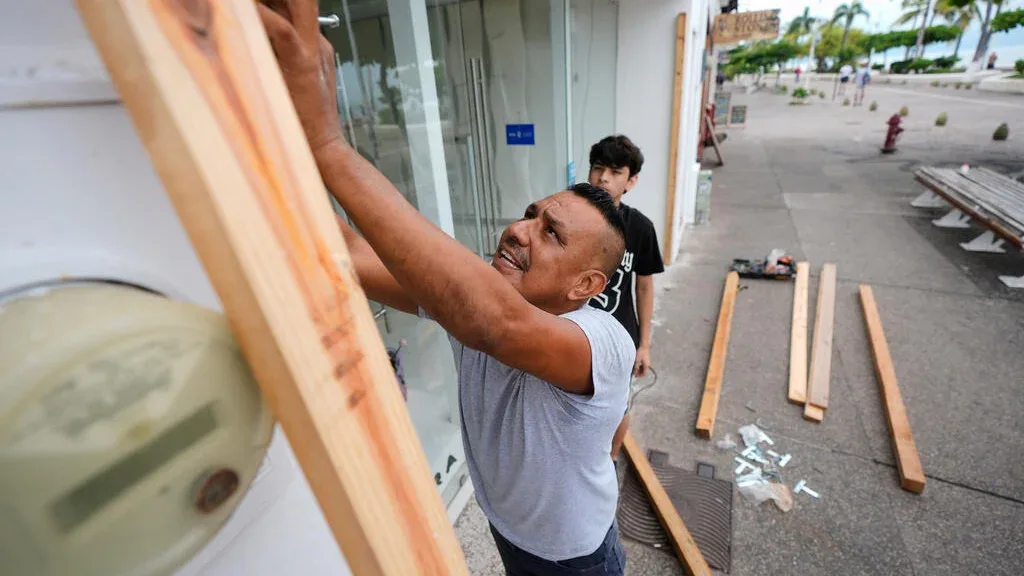
As Simon approached, businesses in Puerto Vallarta began boarding up windows and placing sandbags around entrances to reduce the risk of damage from wind and floodwater.
Beaches were closed, warning flags were raised and authorities encouraged residents and visitors to stay away from hazardous coastal areas.
The hurricane also raised concerns for hotels, restaurants, tour operators and other businesses that depend on visitors.
Tourists caught in a major hurricane can face cancelled flights, road closures, temporary shelter arrangements and difficulties leaving affected areas.
Visitors were advised to follow instructions from local authorities and accommodation providers rather than relying on normal travel arrangements.
Mexican Authorities Activate Emergency Preparations
Mexico’s emergency response agencies have been coordinating preparations as the storm approaches.
The government has mobilised relevant civil protection, defence, naval and other emergency personnel to support preparedness and response operations.
Officials have urged people in vulnerable coastal municipalities to remain alert, follow local instructions and identify designated temporary shelters.
Precautionary evacuations have also begun in some at-risk areas, including parts of Jalisco state where flooding is a concern.
These measures are intended to reduce the risk of fatalities from storm surge, flash flooding and landslides.
Authorities have also restricted maritime activities in affected waters, while beach closures and warning flags have been used to discourage people from entering dangerous coastal conditions.
Emergency preparations are particularly important in areas where heavy rainfall can quickly make roads impassable and prevent rescue teams from reaching isolated communities.
Dangerous Storm Surge and Destructive Waves
Beyond the threat of rainfall and strong winds, Simon could generate a dangerous storm surge near the coastline where the hurricane makes landfall.
Storm surge occurs when powerful winds push seawater towards the shore, raising water levels above normal tidal conditions.
When combined with large waves and high tides, storm surge can inundate low-lying coastal areas, damage buildings and threaten people who remain near the water.
The National Hurricane Center warned that destructive waves could accompany the surge near and to the east of the storm’s landfall location.
The hurricane is also expected to generate powerful swells and hazardous surf conditions along portions of Mexico’s southwestern and west-central coast.
These conditions can create dangerous rip currents capable of pulling swimmers away from shore, even in places not directly affected by the hurricane’s strongest winds.
Beach closures and maritime restrictions are therefore important precautions for residents, fishermen and tourists.
Tourism and Local Businesses Face Disruption
Puerto Vallarta and surrounding coastal communities depend heavily on tourism, making hurricane preparedness essential for both public safety and economic stability.
Hotels, restaurants, transport companies and tour operators have had to prepare for potential disruption as the storm approaches.
Businesses boarding up windows and securing entrances are taking precautions against flying debris and water intrusion. However, the extent of any damage will depend on the storm’s eventual track, intensity and rainfall distribution.
Air travel may also be affected by dangerous weather, airport restrictions or interruptions to road access.
Travellers with bookings in affected areas should check directly with airlines, hotels and local authorities for updated information about cancellations, shelter arrangements and transport availability.
The storm’s effects could extend beyond the immediate coastline if flooding disrupts highways, supply chains and access to important commercial facilities.
Manzanillo’s role as a major port also means that interruptions to port operations could have wider logistical consequences.
Why Rapid Intensification Is Dangerous
Hurricane Simon’s rapid strengthening illustrates one of the challenges facing communities threatened by tropical cyclones.
When a storm intensifies quickly, its wind speeds can increase substantially over a relatively short period. That can leave residents, emergency services and businesses with less time to prepare for the most severe conditions.
Hurricane intensity, however, is only one measure of risk.
The size of the storm, its forward movement, the amount of rainfall it produces, the shape of the coastline and the vulnerability of local infrastructure can all influence the extent of damage.
A hurricane that weakens after landfall can still produce deadly floods and mudslides far from the coast.
For this reason, residents should not interpret a reduction in wind speed as proof that all danger has passed.
Official forecasts and emergency instructions remain essential throughout the storm and its aftermath.
What Residents and Travelers Should Do
People in areas covered by official warnings should follow instructions from Mexico’s civil protection authorities and the National Hurricane Center.
Key precautions include:
- Completing preparations before dangerous winds and flooding arrive.
- Moving to designated shelters or safer locations when authorities direct evacuation.
- Staying away from beaches, rough seas and restricted coastal areas.
- Avoiding flooded roads, rivers and bridges.
- Securing loose outdoor objects and protecting essential supplies where it is safe to do so.
- Checking airline and hotel updates before attempting to travel.
- Monitoring official weather bulletins for changes in the storm’s track and intensity.
People in vulnerable areas should not delay evacuation while waiting for visible signs of danger. Floodwaters and storm surge can rise rapidly, leaving little time to escape.
What Happens Next?
The immediate concern is Simon’s approach to Mexico’s west-central coast and the potential effects of its winds, rainfall and storm surge.
Forecasters were warning of dangerous conditions through Sunday, October 11, based on information available on Saturday, October 10.
The eventual impact will depend on the hurricane’s path, its strength near the coast and how much rainfall falls over vulnerable areas.
Authorities and residents will also need to prepare for the possibility of continued flooding, landslides, power interruptions and transport disruption after the centre of the storm passes.
A reliable assessment of damage and casualties will require updated information from Mexican emergency agencies once conditions permit.
Conclusion
Hurricane Simon’s rapid intensification into a Category 4 storm has placed Mexico’s Pacific coast at risk of destructive winds, dangerous coastal flooding and potentially life-threatening mudslides.
Manzanillo, Puerto Vallarta and other communities along the west-central coast have been preparing for the storm, with authorities implementing emergency measures and urging residents to follow official safety instructions.
The forecast of up to 30 inches of rain in isolated locations highlights the possibility that flooding and landslides could become major threats, even after the hurricane weakens.
As the situation develops, accurate forecasts, timely evacuations and public compliance with emergency instructions will be critical to protecting lives.
Note: Hurricane Simon is a reminder that a powerful storm’s greatest danger may extend beyond its winds. Flooding, storm surge and mudslides can threaten communities long after the storm begins to weaken. Residents and travelers should rely on official alerts and prioritize safety over normal routines.
Editorial note: This report reflects forecasts and reporting available on October 11, 2026. It does not establish whether Simon subsequently made landfall or confirm any final casualty or damage figures.
Sources: CBS News