

Europe | News
Russia Hits Six Ukrainian Energy Sites After Trump Announces Ceasefire, Zelensky Says
World News | October 13, 2026
Ukraine reports fresh attacks on energy infrastructure hours after Trump declared an immediate truce, raising questions about whether Moscow has agreed to halt strikes on critical facilities.
Ukraine Accuses Russia of Ignoring Energy Ceasefire
Ukraine has accused Russia of continuing attacks on its energy infrastructure despite US President Donald Trump’s announcement of an immediate energy ceasefire between the two countries.
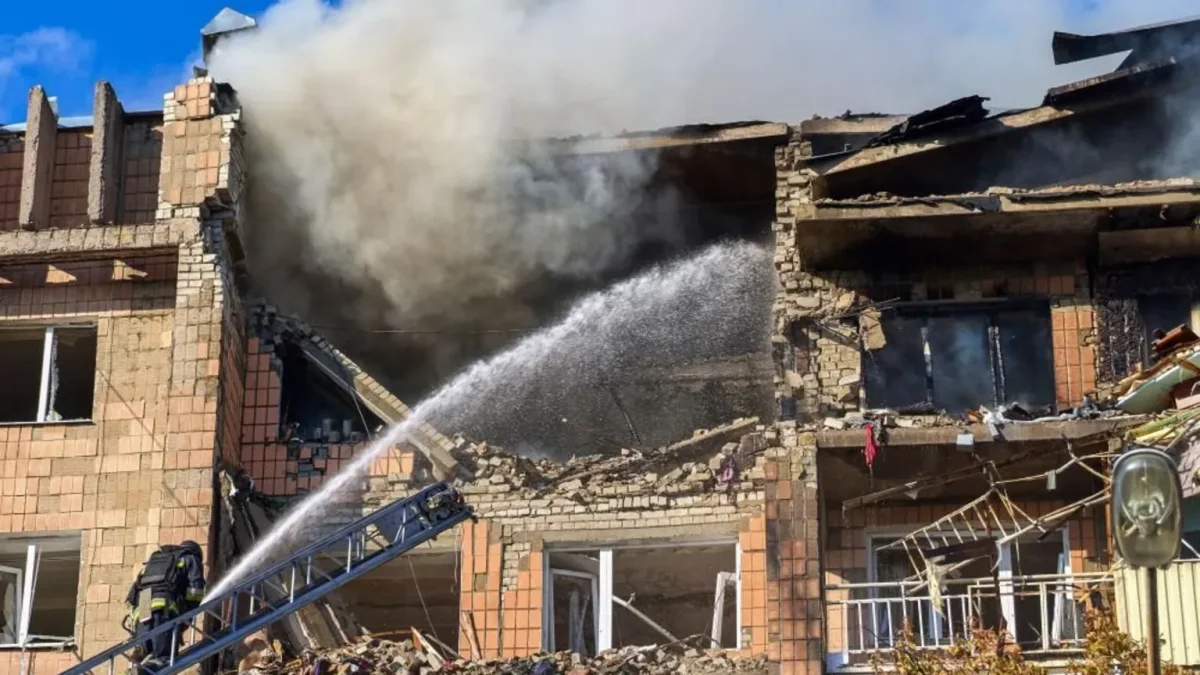
Ukrainian President Volodymyr Zelensky said Russian forces struck six energy facilities within hours of Trump’s announcement on Sunday, October 11. The reported attacks included strikes on gas stations, energy infrastructure and other facilities, according to reports by the BBC and Reuters.
The Ukrainian leader said the attacks demonstrated that Moscow had not shown a willingness to respect the proposed truce. He also maintained that Ukraine was prepared to stop attacking Russian energy infrastructure if Russia halted similar operations against Ukrainian facilities.
The developments have raised fresh concerns about the prospects for a temporary agreement to protect essential energy infrastructure as the war continues and Ukraine prepares for another winter of potential power disruptions.
Power Disruptions Reported in Several Regions
The reported attacks affected energy infrastructure in different parts of Ukraine. In Izyum, in the Kharkiv region, strikes reportedly damaged electricity grid infrastructure and triggered blackouts. Ukrainian officials also reported attacks on energy and railway infrastructure in the western Zhytomyr region.
Kharkiv, Ukraine’s second-largest city, also came under attack. Zelensky reported strikes on energy infrastructure there, while local emergency services responded to attacks that damaged residential buildings.
According to Reuters, attacks across Ukraine caused civilian casualties, including deaths and injuries in Kyiv, Kharkiv and the eastern Donetsk region.
The reported damage comes amid an ongoing campaign against energy infrastructure on both sides of the conflict. Ukraine has experienced power cuts as Russian attacks have affected electricity generation, heating and other essential services.
The consequences could become particularly serious as temperatures fall and households increasingly depend on reliable electricity and heating.
Trump Announces Immediate Ceasefire
Trump announced on Sunday that Russia and Ukraine had agreed to an energy ceasefire, describing the arrangement as effective immediately. However, the announcement was not accompanied by detailed public terms establishing how the agreement would operate or be monitored.
Zelensky subsequently indicated that the announcement had come as a surprise to Kyiv, which was awaiting further details from Washington.
Although Ukraine welcomed the prospect of an agreement, its government said attacks on Ukrainian energy facilities continued.
On Monday, the Kremlin said contacts concerning a possible energy ceasefire were ongoing. Russian officials did not provide confirmation that Moscow had accepted and was implementing the proposed arrangement.
Russian Foreign Minister Sergei Lavrov also questioned whether Ukraine deserved the respite that a ceasefire would provide.
The conflicting statements highlight a central problem: an announcement by a third-party leader does not necessarily establish that both sides have agreed on the same conditions or begun implementing them.
Ukraine Offers to Stop Strikes on Russian Energy Facilities
Ukraine has maintained that it is willing to halt attacks on Russian energy installations if Moscow stops targeting Ukrainian energy infrastructure.
Kyiv has increasingly used long-range strikes against Russian oil refineries and related facilities, arguing that these operations weaken Russia’s ability to finance its military campaign.
Moscow, meanwhile, has defended its attacks on Ukrainian installations by arguing that energy infrastructure supports the country's military operations.
The opposing positions complicate efforts to establish a reciprocal agreement. Both governments would need to clarify which facilities are covered, when restrictions take effect and how alleged violations would be verified.
Without those details, it may prove difficult to distinguish between a formally agreed ceasefire, a political declaration and an arrangement that is actually being observed by forces on the ground.
Energy Security and the Wider Political Dispute
The ceasefire announcement comes amid wider disagreements over energy supplies and the economic consequences of the war.
Trump has been pressing Ukraine to stop attacks on Russian oil infrastructure amid rising fuel prices. His administration has also announced arrangements involving Russian diesel supplies to international markets, drawing criticism from Zelensky.
Ukraine has argued that easing restrictions on Russian energy exports could provide Moscow with additional revenue while Russian forces continue attacking Ukrainian cities and infrastructure.
European officials have expressed support for an energy ceasefire but have also questioned whether Russia will comply.
The European Union announced additional sanctions on individuals and businesses linked to Russia on October 12, according to Reuters, reinforcing pressure on Moscow even as diplomatic discussions continue.
These parallel developments illustrate the difficulty of balancing negotiations, energy-market concerns and efforts to maintain economic pressure on Russia.
What Happens Next?
The immediate question is whether Moscow and Kyiv will establish a clearly defined, reciprocal agreement to protect energy facilities.
A workable arrangement would require both sides to identify the infrastructure covered by the restrictions, specify when the ceasefire begins and establish a credible process for investigating reported violations.
It would also require sustained compliance rather than a declaration that is followed by further attacks.
For Ukrainian civilians, the stakes extend beyond the diplomatic dispute. Continued damage to electricity and heating infrastructure could affect homes, hospitals, businesses, water supplies and public transport.
For international mediators, the reported strikes present an early test of whether diplomatic pressure can produce a measurable reduction in attacks.
As of October 12, the reported strikes and the Kremlin’s statement that contacts were continuing left the status of the proposed energy ceasefire uncertain.
Note: Ukraine says six energy facilities were struck after Trump announced an immediate ceasefire, while Moscow has yet to publicly confirm full acceptance of the proposed arrangement. The next critical test will be whether both sides agree to enforceable terms and demonstrate that attacks on energy infrastructure have stopped.