

Health & WellBeing
How to Eat 30 Different Plants a Week: Simple Ways to Improve Gut Health Without Spending More
Health | October 13, 2026
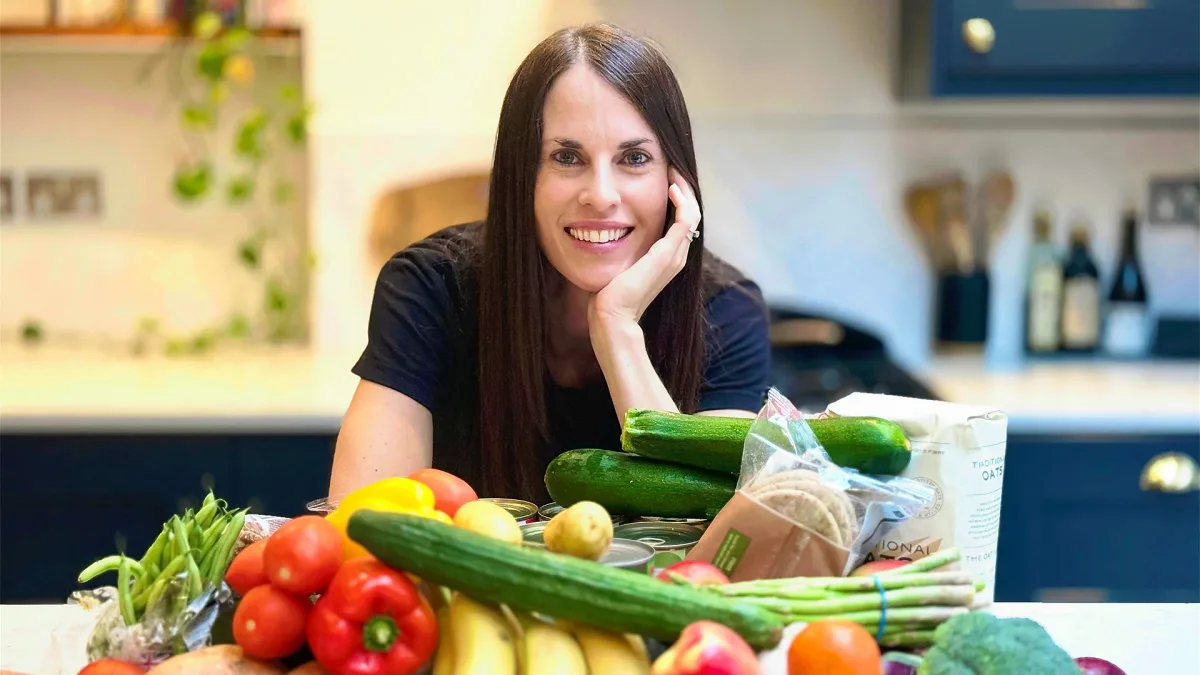
A growing nutrition trend encourages people to eat a wider variety of plant foods each week. From beans and vegetables to nuts, grains and spices, small changes to everyday meals can help people diversify their diets.
Why Eating 30 Different Plants a Week Is Gaining Attention
Eating a variety of plant foods is gaining attention as researchers explore the relationship between diet, gut bacteria and long-term health.
The idea of consuming 30 different plants each week became popular following research published in 2018 through the American Gut Project. The study found that people who reported eating at least 30 different plant foods weekly tended to have more diverse gut microbiomes than those who reported eating fewer than 10.
The gut microbiome consists of the microorganisms living in the digestive tract. These organisms interact with food, help break down certain dietary fibres and contribute to several processes involved in maintaining health.
A more diverse plant-rich diet supplies a wider range of fibres and naturally occurring compounds that different gut microbes can use.
However, the 30-plant target should not be treated as a universal medical requirement. Researchers have noted that the precise number is not a scientifically established threshold, and people may benefit from increasing their plant variety even if they do not reach 30.
The important message is to focus on dietary variety rather than counting alone.
What Counts as One Plant Food?
One common misconception is that eating 30 plants requires consuming 30 different fruits and vegetables. In reality, the approach includes several categories of plant-based foods.
1. Fruits
Fruits provide vitamins, minerals, fibre and other beneficial plant compounds.
Examples include:
- Oranges and tangerines
- Bananas and pawpaw
- Mangoes and pineapples
- Watermelon
- Guava
- Apples
- Avocados
Eating different fruits throughout the week helps increase variety rather than relying on a single favourite.
2. Vegetables
Vegetables are another important source of dietary fibre and micronutrients.
Options include:
- Spinach and other leafy greens
- Ugu, or fluted pumpkin leaves
- Okra
- Carrots
- Cabbage
- Tomatoes
- Onions
- Peppers
- Garden eggs
Using several vegetables in soups, stews and other everyday dishes can increase plant diversity without requiring a completely different menu.
3. Beans and other legumes
Legumes are particularly useful because they provide fibre and plant-based protein.
Examples include:
- Brown beans
- Black-eyed peas
- Chickpeas
- Lentils
- Kidney beans
- Green peas
- Soybeans
Beans can be incorporated into meals such as moi moi, bean porridge and vegetable stews. Different varieties can contribute to dietary diversity.
4. Whole grains
Whole grains provide fibre and other nutrients that may be reduced when grains undergo extensive refining.
Examples include:
- Oats
- Brown rice
- Whole-wheat bread
- Millet
- Sorghum
- Quinoa
- Whole-grain maize
Where practical, replacing some refined grains with whole-grain alternatives can help increase both fibre intake and plant variety.
5. Nuts and seeds
Nuts and seeds contain varying amounts of healthy unsaturated fats, fibre, minerals and other nutrients.
Examples include:
- Groundnuts
- Almonds
- Cashew nuts
- Walnuts
- Sesame seeds
- Pumpkin seeds
- Chia seeds
- Flaxseeds
Small quantities can be added to breakfast, snacks, salads or other meals.
6. Herbs and spices
Herbs and spices also contribute to plant variety. Examples include ginger, garlic, turmeric, cinnamon, basil, parsley and various peppers.
Some plant-diversity tracking systems count herbs and spices as fractions of a plant point because people often consume them in smaller quantities. Counting methods vary, so the goal should be to use a practical and consistent approach rather than obsess over exact scores.
Tea, coffee and cocoa can also contribute plant-derived compounds, although their inclusion and scoring depend on the method being used.
How to Reach 30 Plants Without Buying Expensive Foods
One of the most useful lessons from the BBC Future experiment was that increasing plant variety did not necessarily require a more expensive shopping list.
The reporter, Melissa Hogenboom, initially aimed for 30 plants but ultimately counted approximately 51 over a week. She used familiar meals, cupboard staples, frozen ingredients and leftovers rather than preparing elaborate salads every day.
Here are practical ways to apply the same principle.
Start with breakfast. Add oats, banana, groundnuts or chia seeds to your usual breakfast where appropriate. Alternate between different fruits during the week instead of buying only one type.
Improve familiar meals. Add carrots, cabbage, tomatoes, onions, peppers or leafy greens to meals you already prepare.
Keep beans in your weekly menu. Beans, lentils and peas provide variety and can be used in several affordable dishes.
Buy ingredients that can serve multiple meals. Onions, tomatoes, peppers, leafy vegetables and beans can be incorporated into different recipes throughout the week.
Use frozen or dried ingredients when economical. Frozen vegetables, dried beans, oats and seeds can be convenient alternatives to purchasing large quantities of fresh produce at once.
Make small additions rather than changing everything. Adding one new plant ingredient to a familiar meal is often easier to sustain than adopting a completely new diet.
A Simple Seven-Day Plant-Diversity Plan
The following example illustrates how a Nigerian household can build variety around familiar foods. It is not a prescribed diet, and the ingredients can be adjusted to suit personal preferences, availability and budget.
Monday: Oats and banana for breakfast; beans with vegetables for lunch; rice with tomato, onion and leafy-vegetable stew for dinner.
Tuesday: Pawpaw or orange with breakfast; yam and vegetable sauce; a bean-based meal with carrots and peppers.
Wednesday: Millet porridge; rice with beans and vegetables; a soup containing ugu, okra, tomatoes and onions.
Thursday: Oats with groundnuts; boiled plantain with vegetable stew; a meal containing lentils or peas if available.
Friday: A different seasonal fruit; moi moi with vegetables; brown rice or another whole grain with beans and leafy greens.
Saturday: Breakfast with a different fruit and seeds; a vegetable-rich soup; a meal using chickpeas, beans or peas.
Sunday: Combine available fruits, vegetables, grains, legumes, nuts and seeds into familiar family meals while using leftover ingredients to minimize waste.
The goal is to count distinct plant foods across the week, not the number of times each food appears. For example, eating bananas on four different days generally counts as one plant variety, not four.
What Does the Science Say About Gut Health?
The evidence supporting plant diversity is promising, but it needs to be interpreted carefully.
The 2018 American Gut Project study identified an association between greater plant-food variety and greater gut-microbiome diversity. That finding does not establish that reaching exactly 30 plants causes better health for everyone.
Subsequent research on dietary patterns suggests that eating a range of fibre-rich plant foods can help support beneficial gut microbes. Some of these microbes produce short-chain fatty acids when they ferment certain dietary fibres, compounds involved in maintaining the gut environment.
A varied plant-rich diet may also help people obtain a broader range of vitamins, minerals and other nutrients.
Nevertheless, microbiome diversity is only one aspect of health. A person's overall diet, physical activity, sleep, medical history and other factors also matter.
It would therefore be misleading to claim that eating 30 plants automatically prevents disease, guarantees longevity or treats an existing medical condition.
What If You Cannot Afford 30 Different Plants?
The target should not become a source of financial pressure.
People can begin with the foods they already have and gradually increase variety. Affordable staples such as beans, groundnuts, millet, sorghum, maize, onions and seasonal vegetables can make a meaningful contribution.
Dried beans and grains can often be stored for longer than fresh produce. Buying seasonal foods and planning meals around overlapping ingredients can also help control costs.
If your current diet contains very little fiber, increase high-fiber foods gradually and drink adequate fluids. A sudden increase can cause bloating or discomfort in some people.
People with medical conditions requiring specific dietary restrictions should adapt the approach to their individual needs.
The Challenge Is Consistency, Not Perfection
The practical lesson from the 30-plant trend is that dietary variety can often be increased through ordinary meals rather than complicated recipes.
Planning ahead helps, but it is not necessary to prepare a different dish every day. Ingredients can be reused in soups, stews, breakfasts and lunches while still contributing to a varied weekly diet.
Keeping a simple list of the plant foods eaten during the week can reveal gaps and suggest easy additions for the next shopping trip.
Factful24 Health Takeaway: Eating 30 different plant foods each week is a useful way to encourage dietary variety, but it is not a compulsory health threshold. Start with affordable, familiar foods, gradually introduce new ingredients and prioritise a balanced, sustainable eating pattern over achieving a perfect score.