

Health & WellBeing
Childhood Cancer Symptoms Parents Often Miss: Warning Signs Every Family Should Know
Health | October 13, 2026
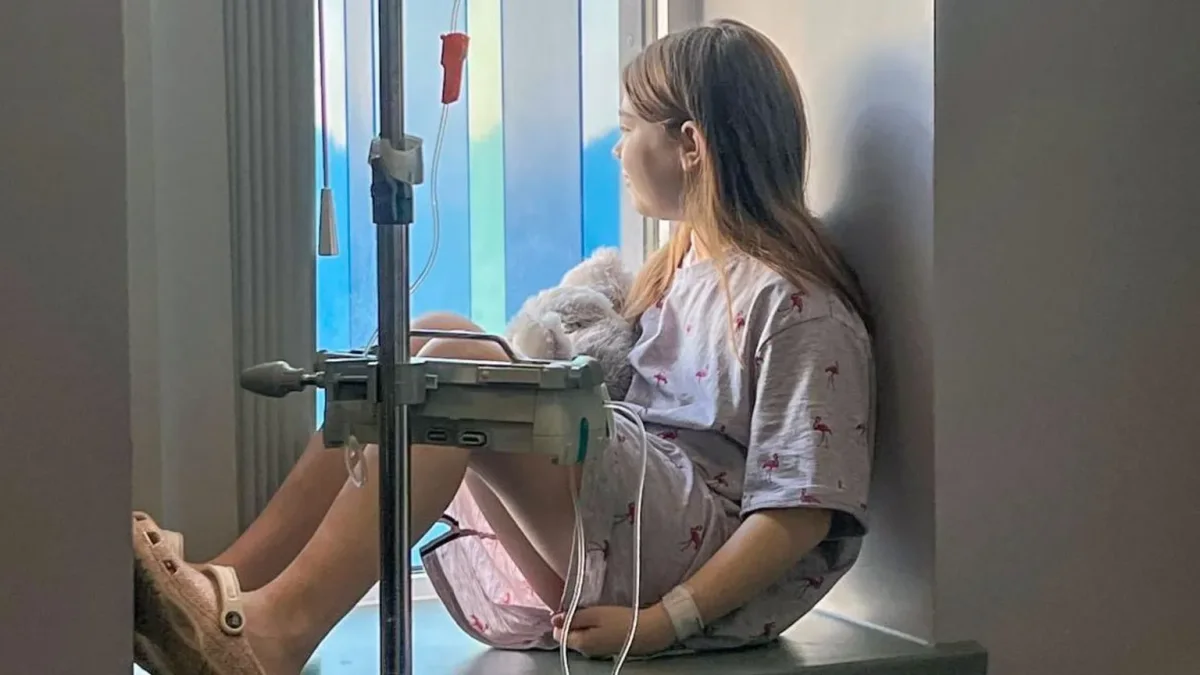
Persistent tiredness, unexplained bruises, unusual paleness and growing lumps can be easy to dismiss as everyday childhood problems. Health experts are urging parents and caregivers to recognise warning signs and seek medical advice when symptoms persist or worsen.
Why Childhood Cancer Symptoms Can Be Difficult to Recognise
Childhood cancer can be difficult to identify in its early stages because many warning signs resemble common illnesses, minor injuries or the normal ups and downs of growing up.
A child who feels unusually tired may appear to be struggling with school activities. Unexplained bruises might initially be attributed to playing outdoors, while persistent nasal congestion or watery eyes may resemble allergies.
However, when symptoms persist, become more severe or occur together, medical assessment becomes increasingly important.
A BBC News report highlights the experiences of families whose children were diagnosed with cancer after initially displaying symptoms that were difficult to recognise.
According to Cancer Research UK, approximately 1,900 children aged 0–14 are diagnosed with cancer each year in the UK. Although childhood cancer remains relatively rare, it is a significant cause of disease-related death among children.
The challenge is not to make parents fearful of every cough, bruise or episode of tiredness. Instead, it is to help families recognise when something is unusual for their child and needs further investigation.
The Warning Signs Parents Should Look Out For
Health professionals advise parents to pay attention to symptoms that persist, become more noticeable or occur in combination.
1. Extreme or unexplained tiredness
Children naturally become tired after school, sports or other activities. Persistent exhaustion that seems disproportionate to their usual routine is different.
A child may struggle to participate in activities they previously enjoyed, sleep more than usual or become breathless after mild exercise.
In Amelia Carroll's case, highlighted in the BBC report, tiredness and breathlessness were among the early symptoms before she was diagnosed with acute myeloid leukaemia.
Persistent fatigue can have many causes, including infections, anaemia and sleep problems. However, unexplained or worsening tiredness should be discussed with a healthcare professional.
2. Unexplained bruising or bleeding
Bruises are common during childhood, especially among active children. Concern increases when bruises appear without a clear injury, occur unusually frequently or are accompanied by other symptoms.
Parents should also look out for unexplained nosebleeds, bleeding gums or unusual small red or purple spots on the skin.
Some blood cancers, including leukaemia, can affect the production of normal blood cells, potentially causing easy bruising or bleeding.
Amelia's mother became particularly concerned after her daughter developed unexplained bruises, including raised, painful bruises on her legs. Medical investigations subsequently confirmed her diagnosis.
Unexplained bruising does not automatically indicate cancer, but a sudden or unusual pattern deserves prompt medical attention.
3. Unusual paleness
A child who appears noticeably paler than usual, particularly when accompanied by fatigue, weakness or breathlessness, should be assessed by a healthcare professional.
Paleness can be associated with anaemia and other conditions. In some cases, it may occur when a disease affects the production of red blood cells.
Parents should look for changes from their child's normal appearance rather than relying on comparisons with other children.
4. Lumps, bumps or swelling that do not go away
Many childhood lumps result from infections, swollen lymph nodes or harmless conditions.
However, a lump that continues growing, remains unexplained or does not resolve as expected should be examined by a healthcare professional.
Pay attention to unexplained swelling in the neck, armpits, abdomen, chest or limbs. Persistent abdominal enlargement or pain also warrants assessment.
The location, size, consistency and duration of a lump can help clinicians determine whether further investigation is needed.
5. Persistent pain, headaches or changes in movement
Children sometimes experience aches and pains as they grow or recover from minor injuries. Persistent or unexplained pain should not automatically be attributed to growing pains.
Warning signs include bone pain that does not improve, pain that wakes a child at night, a persistent limp or reluctance to walk.
Repeated headaches, particularly when accompanied by vomiting, visual changes, balance problems or unusual drowsiness, also require medical evaluation.
These symptoms have many possible causes. Their significance depends on the pattern, severity and other changes occurring at the same time.
6. Frequent infections or unexplained fever
Children commonly experience infections, particularly when attending school or childcare.
Nevertheless, repeated, unusually severe or prolonged infections, or a fever that persists or repeatedly returns without an obvious explanation, should be assessed.
Certain cancers can affect the immune system or the normal production of blood cells, making infections more frequent or difficult to fight.
Parents should tell the clinician how often the infections occur, how long they last and whether the child returns to normal between episodes.
7. Unexplained weight loss or reduced appetite
Changes in appetite can occur during ordinary childhood illnesses or periods of development.
However, noticeable weight loss without an explanation, especially when accompanied by persistent fatigue, pain, fever or other symptoms, should not be ignored.
Keeping track of changes in eating habits, energy levels and growth can help parents explain their concerns during a medical appointment.
8. Changes in vision, behaviour or coordination
Some childhood cancers can affect the brain, nervous system or eyes.
Possible warning signs include new vision problems, unusual eye appearance, unexplained seizures, changes in walking or balance, and significant changes in behaviour or alertness.
A sudden or severe neurological symptom requires urgent medical assessment rather than waiting to see whether it disappears.
Two Families' Experiences Highlight the Importance of Early Recognition
The BBC report describes two children whose experiences illustrate how easily early symptoms can be mistaken for less serious problems.
Amelia Carroll: From Unexplained Bruising to a Leukaemia Diagnosis
Amelia was 13 when she was diagnosed with acute myeloid leukaemia.
Her mother, Gemma, recalled that Amelia had been unusually tired and became breathless after relatively mild exercise. Initially, the symptoms were attributed to tiredness after school and being unfit.
The appearance of unexplained bruises prompted greater concern. According to the BBC, Amelia received her diagnosis within approximately 10 days of the family becoming concerned about the bruising.
She subsequently began treatment and is now in remission, with ongoing follow-up and regular medical tests.
Her experience demonstrates why a new symptom should be considered alongside other changes in a child's health.
Jake Swinscoe: Symptoms Initially Mistaken for Allergies
The report also recounts the experience of Jake Swinscoe, who was diagnosed with a soft-tissue cancer after developing symptoms that initially resembled hay fever.
His mother, Lynsey, recalled that a stuffy nose and watery eyes were initially attributed to allergies, while his tiredness was thought to be ordinary end-of-term exhaustion.
Concern increased when swelling developed across the bridge of his nose. Medical investigations identified a mass in his nasal cavity, and he was diagnosed with alveolar rhabdomyosarcoma.
Jake underwent chemotherapy and proton beam radiotherapy. He later chose to stop further treatment and died at home on April 26, 2024, shortly before his 14th birthday.
His mother has spoken about raising awareness so that his experience can help other families recognise concerning symptoms.
These stories do not mean that ordinary tiredness, allergies or bruises are likely to be cancer. They illustrate the importance of reassessing symptoms when they persist, change or occur alongside other unexplained problems.
When Should Parents Take a Child to the Doctor?
Parents and caregivers should arrange a medical assessment if a child develops symptoms that are unusual for them, especially if those symptoms persist, worsen or occur together.
A campaign discussed in the BBC report highlights a useful reminder for healthcare professionals: the “rule of three”. It encourages consideration of further investigation or referral when a child has three persistent symptoms, has attended three medical appointments for the same problem, or has experienced unexplained symptoms for three weeks.
This is an awareness tool for healthcare professionals, not a rule that parents must wait to satisfy. Do not delay seeking medical attention until three symptoms or three weeks have passed. A single concerning symptom may require prompt assessment.
Seek emergency care for severe breathing difficulty, a seizure, reduced consciousness, significant uncontrolled bleeding or another sudden, serious deterioration.
When visiting a clinician, parents can help by explaining when the symptoms began, how they have changed, how frequently they occur and whether several symptoms appeared around the same time.
Childhood Cancer Is Not Always a Death Sentence
A cancer diagnosis can be devastating for a child and their family. However, outcomes for many childhood cancers have improved substantially over recent decades.
The BBC report cites UK survival figures indicating that more than eight in 10 children survive for five to 10 years or longer after diagnosis.
Survival varies considerably depending on the type of cancer, its characteristics, the child's circumstances and response to treatment. The overall figure should not be interpreted as a guarantee for any individual child.
Earlier recognition can help children receive appropriate investigations and treatment sooner. In some cases, this may reduce the complications associated with advanced disease or the need for more intensive treatment.
Parents should seek reliable medical advice rather than relying on online symptom lists to diagnose a child themselves.
The Role of Parents, Schools and Healthcare Workers
Parents are often the first to notice changes in a child's behaviour, energy or physical appearance. Teachers, school nurses, caregivers and other adults who spend time with children may also notice unusual changes.
Their observations can be valuable when they are communicated clearly to the child's healthcare provider.
Schools and families can help by taking persistent symptoms seriously, documenting recurring problems and encouraging follow-up when a child does not improve as expected.
Healthcare professionals also play a vital role by listening to parental concerns, examining children when appropriate and arranging further tests or specialist referrals when symptoms warrant investigation.
The goal is not to create panic or encourage unnecessary testing. It is to reduce avoidable delays when a child's symptoms indicate that further assessment is needed.
Note:
Childhood cancer is rare, and most childhood bruises, infections, headaches and episodes of tiredness are not caused by cancer. Nevertheless, persistent or worsening symptoms deserve attention.
Parents should look out for unexplained bruising, unusual paleness, extreme tiredness, growing lumps, persistent pain, recurring fever, unexplained weight loss and changes in vision or coordination.
Trust your knowledge of your child. If something is persistently unusual, seek medical advice rather than waiting for more symptoms to appear.
Early assessment does not mean a child has cancer. It means giving the child the opportunity to receive the right diagnosis and care as soon as possible.
Source: BBC News