

United States | News
Cornell Announces Sweeping Restrictions on Fraternity Social Events
Cornell University President Michael Kotlikoff announced on Tuesday, October 13, that all parties and social events held at Inter fraternity Council fraternity houses would be suspended through the end of the 2026–2027 academic year.
The restriction is intended to give the university time to review fraternity life and determine how social activities can be organized more safely.
Under the new directive, fraternities that violate the prohibition will face immediate emergency suspension.
The university also plans to work with students and faculty experts to develop alternative social activities and invest resources in those initiatives.
The announcement represents Cornell's most significant response so far to the growing controversy surrounding its handling of the allegations involving the Chi Phi fraternity.
However, the restrictions apply specifically to events held at Interfraternity Council houses. It remains unclear whether they will prevent students from organizing gatherings at other locations.
What Happened at the Chi Phi Fraternity House?
The controversy stems from an incident alleged to have occurred on October 19, 2024, at the Chi Phi fraternity house on Cornell's campus in Ithaca, New York.
A former student, identified in court proceedings as Jane Doe, alleges that she was drugged and sexually assaulted by multiple fraternity members during a party.
In a civil lawsuit filed in September 2026, she accused seven men of participating in the alleged assault. Her complaint states that she was pressured to consume drugs, including ketamine, and became too impaired to consent as the events unfolded.
She also alleges that messages circulated in a fraternity Snapchat group describing her as sexually available and encouraging other members to enter the room.
These allegations have prompted renewed scrutiny of the fraternity's conduct and the university's response.
The seven men named in the lawsuit have denied wrongdoing. No criminal charges have been filed against them in connection with the allegations, although the criminal investigation has been reopened.
The claims in the lawsuit have not been established as criminal findings, and the defendants retain their right to contest the allegations.
Why Cornell's Handling of the Case Is Under Scrutiny
Cornell's campus police investigated the allegations after the woman reported the incident in November 2024.
The university's police department submitted its findings to the Tompkins County district attorney, whose office declined to pursue criminal charges at the time.
Cornell also conducted an internal investigation and imposed disciplinary measures. The university closed the Chi Phi chapter, expelled two students and imposed lesser sanctions on others, according to reporting on the case.
However, the woman's subsequent civil lawsuit and the publication of additional information reignited public criticism of the university's handling of the matter.
Students, faculty members and other members of the Cornell community questioned whether the institution had done enough to protect students and respond to reports of sexual violence.
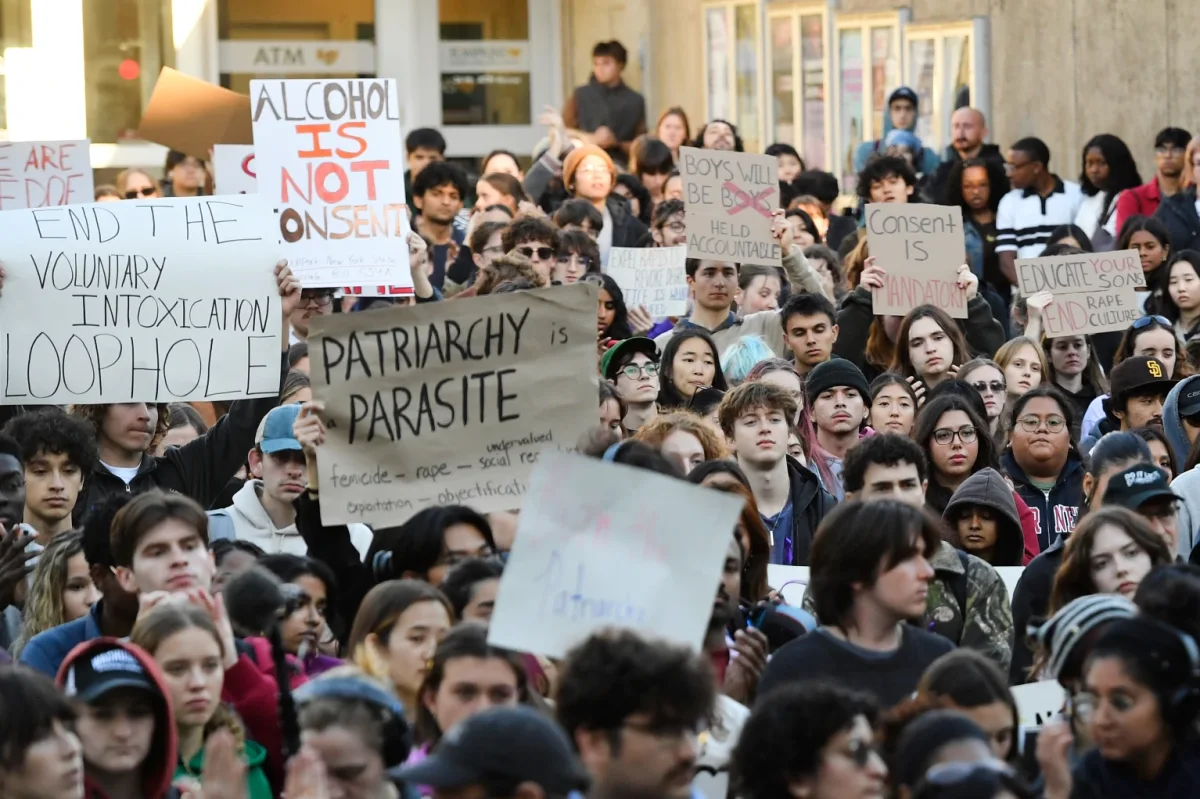
The controversy has prompted campus demonstrations and calls for greater accountability from university leadership.
The case has also raised broader questions about how universities should investigate allegations involving student organizations that host social events and operate under institutional rules.
New York State Police to Assist With Sexual Assault Investigations
Alongside the fraternity-party ban, Cornell announced measures intended to strengthen the handling of sexual-assault reports.
The university said it would work with the New York State Police to establish a process allowing experienced criminal investigators independent of Cornell to investigate allegations of sexual assault on campus.
The move addresses concerns about relying on a university-controlled police department to investigate incidents that may involve members of its own campus community.
The state police role is intended to provide additional investigative independence and expertise. The exact arrangements for individual cases will depend on the procedures adopted by the relevant authorities.
New York Governor Kathy Hochul has also appointed state Attorney General Letitia James as a special prosecutor in the reopened criminal investigation.
The appointment followed criticism of the earlier decision not to prosecute. The state investigation is separate from the university's internal disciplinary process.
Cornell has also retained former US Deputy Attorney General Sally Yates to lead an independent review of the institution's policies and practices concerning sexual harassment, sexual assault and related misconduct.
The review is expected to examine how the university prevents misconduct, responds to complaints and supports those who report sexual violence.
Additional Support for Students Reporting Sexual Misconduct
Cornell has committed to expanding support for students who report sexual misconduct.
Among the announced measures is the addition of a case manager within the university's Office of Civil Rights. The position will help individuals navigate the reporting process and connect with resources, including assistance involving housing and financial aid.
The university also plans to expand survivor support and strengthen education around consent, intervention by bystanders and the risks associated with alcohol and drug misuse.
These measures recognize that reporting sexual violence can involve complicated institutional processes. Students may need help understanding their options, accessing support services and navigating academic or housing arrangements.
The effectiveness of the new approach will depend on how consistently the university implements the measures, how independently complaints are investigated and whether students have confidence in the systems available to them.
University Leadership Faces Pressure to Demonstrate Change
The controversy has placed Cornell's administration under sustained pressure.
President Kotlikoff has acknowledged concerns raised by students, faculty, parents, alumni and other members of the university community.
He has apologized for the harm the woman says she suffered and acknowledged that students continue to question their safety on campus.
Faculty members have also been considering a resolution expressing no confidence in the university's administration.
The debate extends beyond the allegations against individual fraternity members. It concerns the university's responsibility to enforce its own rules, respond to reports of sexual misconduct and ensure that social organizations operate within appropriate safety standards.
Cornell's leadership has described the new restrictions and investigative changes as initial steps towards institutional reform.
Whether those steps restore confidence will depend on their implementation and the findings of the independent reviews and criminal investigation.
The Wider Debate Over Fraternity Culture
Fraternities, commonly associated with university social life in the United States, organize gatherings and other activities that can form a significant part of students' campus experience.
Supporters of fraternity organizations point to their role in friendships, community-building and alumni networks. Critics have raised concerns about alcohol misuse, hazing, sexual misconduct and the difficulties universities face when enforcing rules governing private social activities.
Cornell has previously introduced restrictions and safety measures following other incidents involving fraternities.
The current ban therefore raises a wider question about whether temporary restrictions can produce lasting changes in campus behavior.
One concern raised by a lawyer representing a defendant is that students could simply move gatherings away from fraternity houses, potentially reducing university oversight. That argument reflects an opposing view of the effectiveness of the policy rather than an established outcome.
Cornell says it intends to develop safer alternatives while reviewing fraternity life.
The challenge will be to combine prevention, accountability, fair investigations and practical safeguards without assuming that restrictions alone can eliminate sexual violence.
What Happens Next?
Several developments will shape the next phase of the case.
First, investigators will continue examining the allegations involving the former student and the seven men named in her civil lawsuit.
Second, the independent review led by Sally Yates will assess Cornell's handling of sexual misconduct and identify potential changes to university policies.
Third, the university will need to implement the fraternity-event suspension, expand support services and develop alternative social activities.
Finally, the campus community will be watching how the administration responds to criticism and whether its actions lead to more effective reporting and investigation procedures.
The legal process and institutional reviews serve different purposes. Criminal investigators examine whether the evidence supports criminal charges, while civil litigation addresses the claims raised by the parties under the applicable law. Cornell's internal review examines the university's own policies and response.
The outcome of one process should not be assumed to determine the outcome of the others.
Note:
Cornell University's decision to suspend fraternity parties for the remainder of the academic year follows renewed public scrutiny of a former student's allegations of sexual assault at the Chi Phi fraternity house in 2024.
The university has also announced greater involvement by New York State Police in sexual-assault investigations, expanded support for students reporting misconduct and an independent review of its policies.
The seven men named in the civil lawsuit deny wrongdoing, and no criminal charges have been filed against them in connection with the allegations.
The central issue now is whether Cornell's restrictions and reforms will lead to more effective safeguards, independent investigations and greater confidence among students. The criminal investigation, civil proceedings and institutional review will be important in determining what happens next.
Sources: The New York Times — Original report