

Politics
2027 Election: APC Says It Is Ready to Win as Felix Morka Dismisses Atiku, Obi's Opposition Strategy
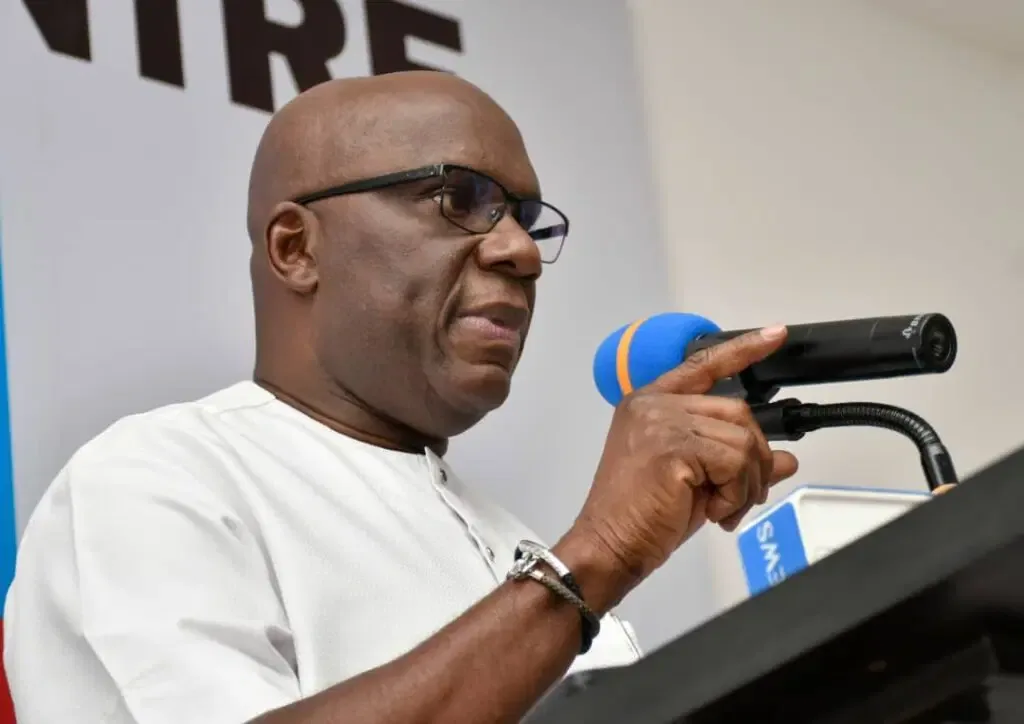
The All Progressives Congress (APC) has declared that it is intensifying preparations to win Nigeria's 2027 general elections, while criticizing opposition figures Atiku Abubakar and Peter Obi over what the ruling party's spokesperson described as a failure to communicate their own political vision effectively.
According to Vanguard, APC National Publicity Secretary Felix Morka made the remarks during an appearance on Channels Television's Politics Today, following the inauguration of the party's Presidential Campaign Council in Abuja.
Morka maintained that the ruling party was taking the next election seriously and would not leave its electoral preparations to chance. He pointed to the party's performance in bye-elections since the 2023 general elections as evidence of its organizational strength.
APC: 'We Are More Prepared Than the Opposition'
Morka rejected suggestions that the APC's preparations reflected desperation. Instead, he argued that the party was better organized than its opponents and was preparing to launch extensive campaign activities.
He said the party was strengthening its structures, completing its groundwork and preparing its campaign machinery for the contest.
The APC spokesman also defended the party's popularity, arguing that its control of the Federal Government and several state governments reflected the support it had received from voters in previous elections.
However, electoral victories in previous contests do not automatically guarantee success in a future presidential election. The APC will still have to persuade voters that its policies and performance justify another mandate.
Why Morka Targeted Atiku and Obi
Morka's criticism centered on his argument that opposition leaders should communicate their own plans for Nigeria rather than concentrate primarily on criticizing President Bola Tinubu's administration.
The comments come as political parties and opposition figures position themselves ahead of the 2027 elections.
Atiku, who is associated with the African Democratic Congress (ADC), has continued to criticize the Tinubu administration's handling of economic hardship and insecurity. In a separate statement reported by TheCable on October 14, Atiku described the APC's expanded presidential campaign council as a sign of fear, arguing that political appointments and alliances would not resolve the difficulties facing Nigerians.
The contrasting statements reveal a growing battle over the central question of the 2027 election: whether voters will prioritize the ruling party's defense of its record or the opposition's criticism of the administration.
Political Implications for the 2027 Election
Three issues stand out from this exchange.
1. The APC is emphasizing organization and incumbency. The ruling party is projecting confidence in its campaign structures and previous electoral performances. Whether this translates into votes will depend on its ability to maintain political alliances and win public confidence.
2. The opposition faces pressure to present a convincing alternative. Criticizing government policies may draw attention to public concerns, but opposition candidates also need to explain how their proposed policies would address inflation, employment, insecurity, electricity and living costs.
3. Voters will ultimately judge both sides. Neither the APC's confidence nor the opposition's criticism establishes who will win. Electoral outcomes depend on candidates, party organization, voter turnout, public sentiment and the credibility of the electoral process.
The contest is therefore shaping up to be not only a battle of political personalities, but also a test of competing claims about governance and the country's future.
Note:
The APC's declaration that it is prepared to win in 2027 signals that the ruling party wants to project strength while challenging opposition leaders to explain what they would do differently.
But confidence is not a substitute for public approval. The decisive question is whether Nigerians believe the ruling party has improved their lives sufficiently to deserve another term—or whether the opposition can present a credible and persuasive alternative.
The claims made by both camps should be assessed against verifiable evidence, policy proposals and the experiences of ordinary Nigerians.
Source: Vanguard News