

Politics
Nigeria's Voter Register Hits 103.4 million, but Fears of Low Turnout Persist Ahead of 2027 Elections
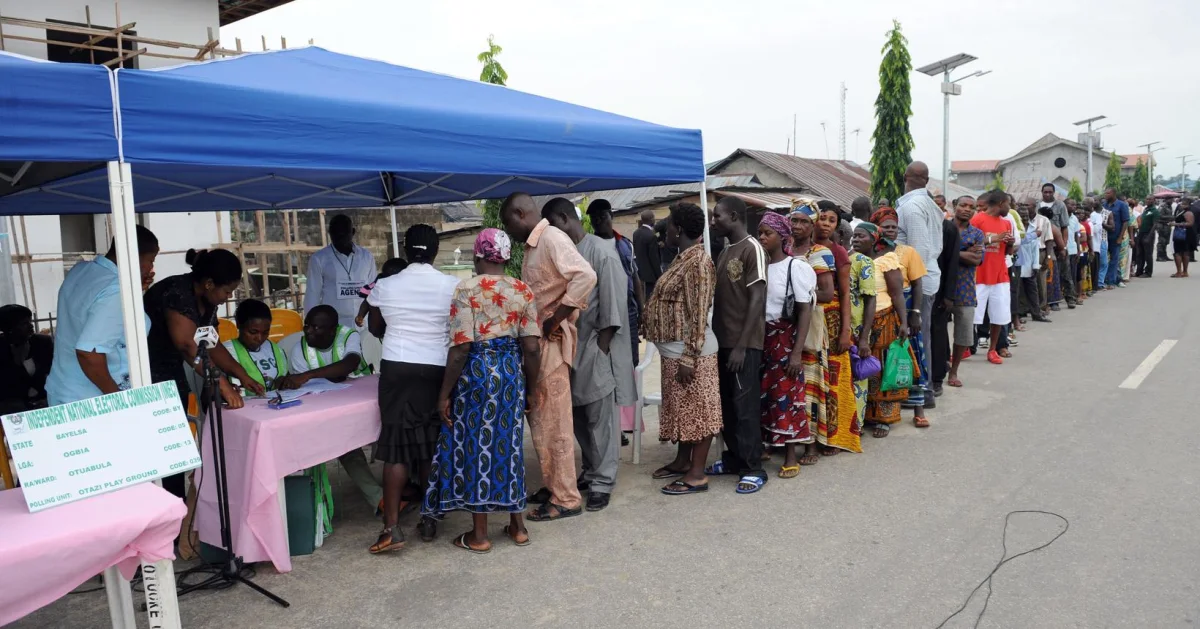
Politics & Democracy | October 15, 2026
Nigeria's electoral register has grown to 103,428,715 registered voters, an increase of approximately 10 million compared with the register used before the 2023 general elections. Yet, as preparations for the 2027 polls intensify, concerns remain over whether the larger electorate will translate into greater participation.
In a report published on October 15, The Guardian identifies insecurity, economic hardship, declining public confidence in electoral institutions and political disillusionment as factors that could keep voters away from polling units.
The figures released by the Independent National Electoral Commission (INEC) present both an opportunity and a challenge: millions more Nigerians are registered, but the country's presidential election turnout has declined significantly over successive elections.
1. The turnout problem: More registered voters, fewer people voting
The historical figures illustrate the scale of the challenge.
Presidential election turnout in Nigeria
2011
53.68%
2015
43.65%
2019
34.75%
2023
26.71%
Source: INEC historical turnout figures reported by The Guardian and other Nigerian news outlets.
Turnout fell from 53.68 per cent in 2011 to 26.71 per cent in 2023. In other words, fewer than three in every ten registered voters cast a recorded vote in the last presidential election.
The Guardian's report illustrates what would happen if the 2023 turnout rate were repeated in 2027.
Registered voters
103.4m
2026 national register
Illustrative voters
27.6m
At the 2023 turnout rate
Not voting in this scenario
75.8m
Illustrative calculation
New registrations
10.8m
Recorded during the CVR exercise
These calculations are illustrative, not a prediction of 2027 turnout. Participation could rise or fall depending on security, political mobilization, public trust and the accessibility of polling units. INEC's reported 10,772,421 new registrations also represent registrations added through the continuous voter registration exercise, rather than the entire increase in the register since 2023.
2. Which states have the most registered voters?
Lagos has the largest state voter register, while Bayelsa has the smallest, according to the figures published by The Guardian.
Lagos State
7,488,633
Largest state register
Kano State
6,570,276
Second-largest register
Kaduna State
4,662,640
Third-largest register
Bayelsa State
1,200,691
Smallest state register
These figures matter for electoral planning, but registration totals alone cannot establish which party will win a state. That would require evidence about actual voter preferences, turnout, candidate support and election results.
3. Why could millions of voters stay away?
The report identifies several barriers that extend beyond a lack of interest in politics.
- Insecurity: Insurgency, banditry, kidnapping and communal violence can prevent people from travelling safely to polling units.
- Economic hardship: Transport costs and lost income can make voting more difficult, particularly for people who depend on daily earnings.
- Distrust of the electoral process: Concerns about electoral impartiality, result management and transparency may weaken voters' confidence.
- Political disillusionment: Some citizens may question whether voting will produce meaningful improvements in their lives.
- Practical obstacles: Displacement, inaccessible polling locations and inadequate information can prevent otherwise willing citizens from participating.
Former security official Billie David Urbanus and security-policy researcher Charles Omole called for election-specific security arrangements, including risk assessments, rapid-response plans and protection for voters and electoral personnel. The report also highlights the importance of clear arrangements for displaced people.
4. Are Nigerians actually losing interest in voting?
Not necessarily. A separate report by Channels Television cited a September 2026 survey by Yiaga Africa, which found that 84 per cent of respondents said they were likely or very likely to vote in 2027.
However, the same survey identified significant concerns:
- 61 per cent said fear of violence could stop them from voting.
- Only 34 per cent expressed confidence that INEC would conduct credible elections.
- Just 40 per cent of young respondents said they were very likely to vote, compared with 64 per cent of respondents aged 61 and above.
The survey interviewed 2,470 adults across Nigeria's 36 states and the Federal Capital Territory. These are survey findings, not guarantees of actual turnout, but they suggest that stated willingness to vote can coexist with serious concerns about safety and trust.
The distinction is important: low turnout may reflect not only apathy, but also obstacles that prevent willing citizens from participating.
5. What does this mean for the 2027 election?
The National Orientation Agency has pledged to intensify voter education and civic sensitization ahead of the elections. Political parties, meanwhile, are expected to mobilize supporters and explain why participation matters.
Three priorities stand out:
- Protect voters: Security plans should identify high-risk communities and protect lawful access to polling units.
- Build electoral confidence: INEC's procedures, decisions and communication need to be transparent and credible.
- Make participation accessible: Voters need clear information about registration, polling locations and applicable voting procedures.
For political parties, a larger register provides a bigger potential electorate, but it does not automatically create more votes. Mobilization must translate into actual participation, and parties cannot assume that newly registered voters will support any particular candidate.
Note:
Nigeria now has more than 103 million registered voters, but the experience of recent elections shows that registration and participation are two different measures of democratic engagement.
The central challenge ahead of 2027 is ensuring that eligible citizens can vote safely, have confidence that their votes will count and can make informed choices among competing candidates.
A growing voter register strengthens democracy only when citizens have a genuine and practical opportunity to participate.
Sources: