

Middle East | News
Rubio Warns Lebanon Against Returning Seized Explosives to Hezbollah
MIDDLE EAST | DIPLOMACY | SECURITY | October 16, 2026
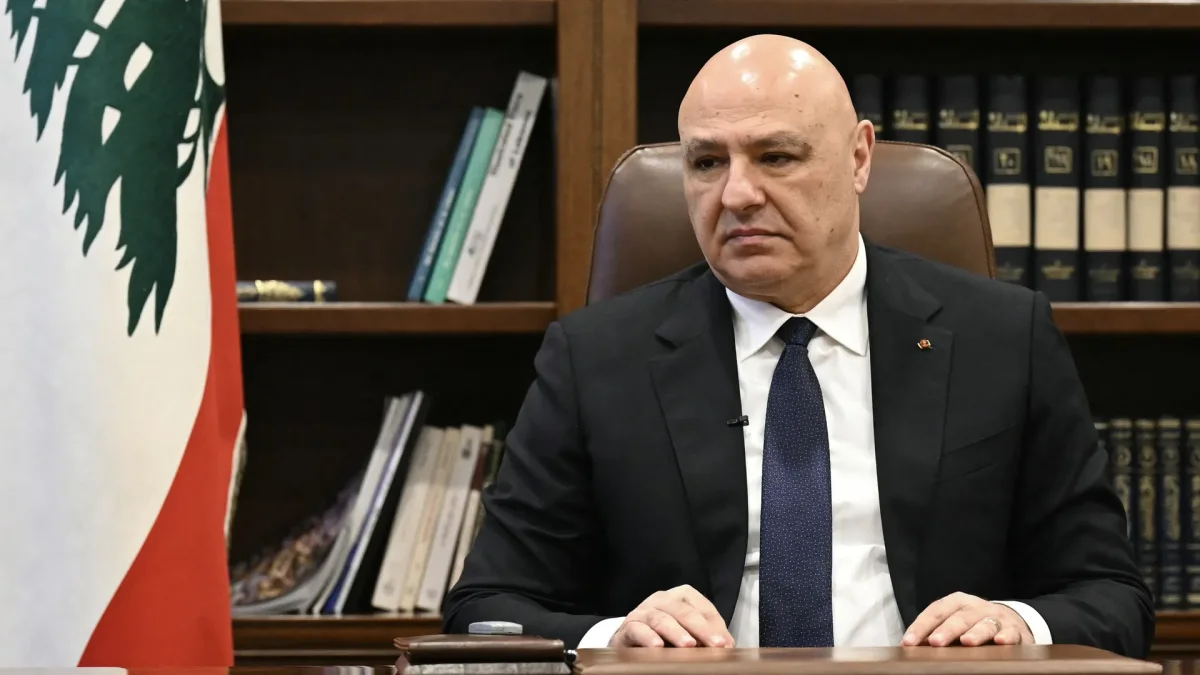
US Secretary of State Marco Rubio raised the issue in a telephone conversation with Lebanese President Joseph Aoun on Thursday, October 15, according to an American official cited by Axios and Reuters. Rubio urged the Lebanese government to hold accountable those who ordered, financed and directed the shipment, and said the confiscated explosives should not be returned to Hezbollah.
The incident comes amid continued Israeli military operations in southern Lebanon, disagreement over Hezbollah’s weapons and stalled efforts to implement a US-backed framework intended to restore greater state control over security in the country.
Explosives shipment intercepted on route to Beirut
Lebanese security forces intercepted a vehicle carrying explosives at the Dahr al-Baidar checkpoint on the highway linking the eastern Bekaa Valley with Beirut, according to reporting by the Associated Press.
Judicial officials told the AP that the truck was carrying approximately 780 kilograms of explosives, including TNT and C-4. Two people travelling with the shipment were detained and referred to judicial authorities. Investigators were seeking to identify others connected to the operation.
Hezbollah subsequently acknowledged ownership of the seized materials. Hassan Fadlallah, a lawmaker affiliated with the group, said the shipment belonged to what Hezbollah calls the resistance and demanded the return of the cargo and the release of those detained.
Hezbollah’s stated explanation was that the explosives were intended for use against Israeli forces operating in southern Lebanon. Reuters also reported that sources familiar with the shipment said the materials were intended for explosive drones targeting Israeli troops.
That explanation is Hezbollah’s account of the shipment’s intended use. The interception and subsequent investigation do not, on their own, establish every person involved, the complete chain of command or the precise operational plan.
Rubio presses Aoun on accountability and state authority
Rubio’s message to Aoun went beyond the immediate fate of the seized explosives. Washington is treating the case as a test of whether Lebanon’s government can enforce its decisions on weapons and armed groups operating outside state security structures.
According to the US official cited by Axios, Rubio urged the Lebanese authorities to pursue those responsible for the shipment and rejected the possibility of handing the explosives back to Hezbollah. He also called for direct military-to-military communication between Lebanon and Israel to reduce the risk of miscalculation and further escalation.
Aoun, meanwhile, told Rubio that Lebanon’s army and security services were implementing decisions to prevent unauthorized armed activity, seize weapons and combat smuggling. The Lebanese president also asked Washington to pressure Israel to stop attacks on towns and villages in southern Lebanon and comply with the existing framework between the two countries.
The exchange highlights the competing demands facing Beirut: demonstrate that the state has authority over weapons and security, while also seeking an end to Israeli attacks and the withdrawal of Israeli forces from Lebanese territory.
Why Hezbollah’s weapons remain a central dispute
Hezbollah is an Iran-backed political and armed organization with a longstanding military presence in Lebanon. Its weapons have been a major source of domestic political division, particularly over whether decisions about war and national security should rest exclusively with state institutions.
On March 2, 2026, the Lebanese government banned Hezbollah’s military activities after the group launched rockets towards Israel. The move followed a wider regional conflict involving Israel, the United States and Iran, according to Reuters.
The government’s position has placed it in direct tension with Hezbollah, which argues that its armed capabilities are necessary to confront Israel. Hezbollah has also maintained that it will not disarm while Israeli troops remain on Lebanese land and Israeli strikes continue.
This creates a difficult security dilemma. The government is attempting to assert control over weapons, but the continuing Israeli military presence and attacks are central to Hezbollah’s justification for retaining its arms.
The US-backed framework and the Israeli-Lebanese impasse
The dispute is unfolding against the backdrop of a US-backed framework agreed in June 2026. The arrangement envisages a phased process under which Lebanon’s armed forces expand state control over southern areas and Hezbollah’s weapons are addressed, alongside a gradual Israeli withdrawal from Lebanese territory.
Implementation remains contested. Hezbollah has resisted disarmament while Israeli forces remain on Lebanese land, and Israel has continued military operations against what it describes as Hezbollah targets.
Rubio’s call for direct military communication between Lebanon and Israel is therefore significant. Such a channel could help prevent incidents from escalating through misinterpretation, although communication alone would not resolve disagreements over territory, disarmament or the right to conduct military operations.
The explosives seizure has added a concrete enforcement issue to these broader negotiations: whether Lebanon will retain the seized materials, prosecute those responsible where evidence supports charges, and prevent further unauthorized weapons movements.
Rubio also raises Lebanon’s boycott law
Axios reported that Rubio raised Lebanon’s 1955 Boycott Law, which prohibits contact with Israelis. A US State Department official said the law can be used in politically motivated prosecutions and can obstruct efforts to advance peace.
The issue is connected to Washington’s push for direct military communication between the two countries. However, any change in Lebanon’s approach to relations with Israel would be politically sensitive, particularly while Israeli attacks and the occupation of Lebanese territory remain unresolved issues.
The Lebanese government faces pressure to pursue security arrangements with Israel without appearing to disregard national sovereignty or public concerns about Israeli military actions.
What happens next?
Several developments will determine whether the explosives case becomes a turning point or another source of confrontation.
- The investigation: Lebanese authorities will need to establish who arranged, financed and transported the shipment and whether further arrests or charges follow.
- The fate of the explosives: The government’s handling of the seized materials will indicate how firmly it intends to enforce its restrictions on weapons outside state control.
- Hezbollah’s response: The group has demanded the return of the shipment and the release of those detained, creating a direct test of its willingness to accept the government’s decisions.
- Israeli military activity: Continued strikes and the presence of Israeli forces in southern Lebanon remain central to the dispute over Hezbollah’s refusal to disarm.
- US diplomacy: Direct military communication and implementation of the June framework could reduce some risks, but substantial disagreements remain.
The case is still developing. The investigation must establish individual responsibility, and the public statements from Washington, Beirut and Hezbollah represent differing positions in a broader political and security dispute.
Note:
The seizure of the explosives has become more than a law-enforcement matter. It is testing Lebanon’s ability to assert state authority over weapons, Washington’s efforts to advance a security framework, and the prospects for reducing tensions between Israel and Hezbollah.
The United States wants Lebanon to retain the seized explosives and pursue those responsible. Hezbollah says the materials were intended for fighting Israeli forces. Lebanon’s president has emphasized the work of the country’s security agencies while asking Washington to pressure Israel to halt attacks.
The central question is whether Lebanon can strengthen state control over security while also securing compliance with arrangements intended to end Israeli military operations and restore stability. The outcome will depend on the investigation, enforcement decisions and progress in negotiations—not on statements from any one party alone.
Source: Axios — Rubio urges Lebanon to resist Hezbollah pressure over seized explosives