

United States | News
Tesla’s ‘Flying Car’ Demo Raises Major FAA Safety and Legal Questions
UNITED STATES | TECHNOLOGY | TRANSPORTATION | October 16, 2026
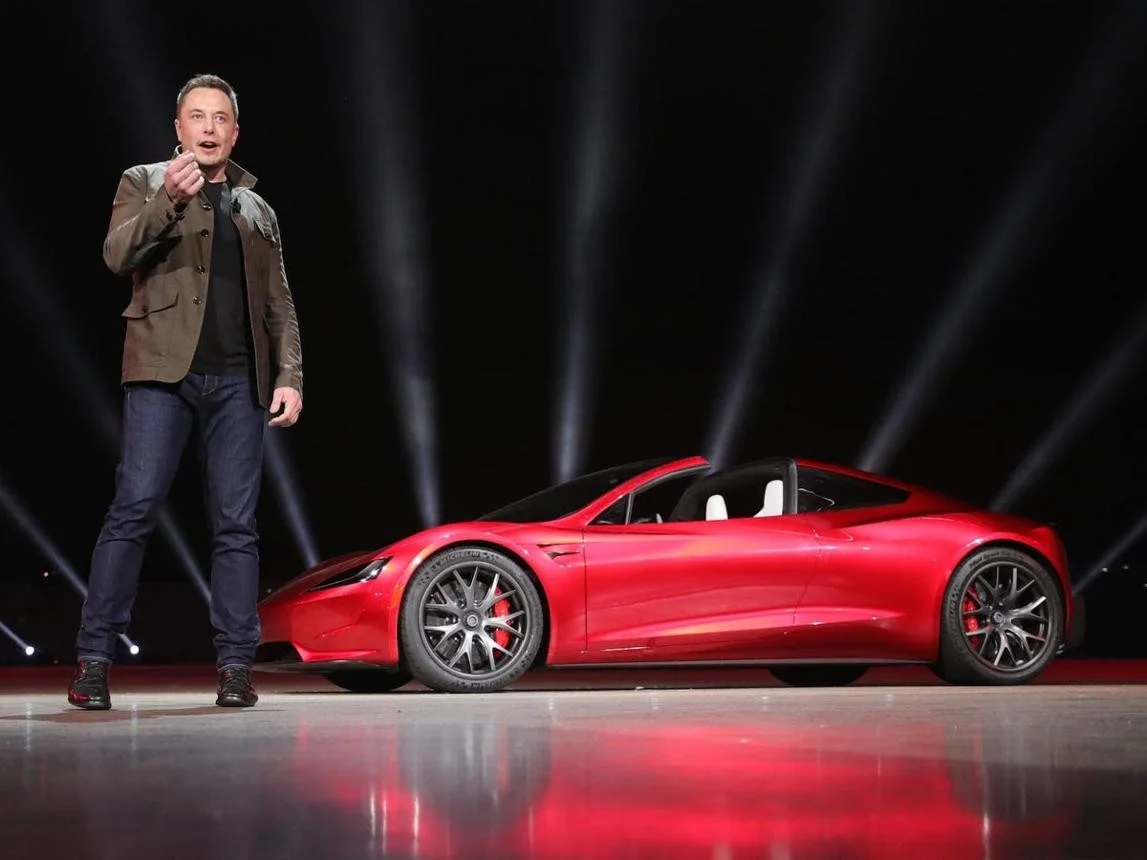
Tesla’s latest Roadster demonstration has revived the long-standing dream of a flying car, but the vehicle’s ability to leave the ground does not mean it is ready for ordinary road use or legally approved flight.
According to WIRED, Tesla demonstrated a prototype of its next-generation Roadster at a SpaceX rocket-development testing facility in McGregor, Texas, on October 15. During the demonstration, the vehicle briefly lifted into the air, raising questions about how the company intends to reconcile its ambitious design with aviation safety rules and existing transport regulations.
Tesla CEO Elon Musk acknowledged the uncertainty surrounding the vehicle’s legal status, saying he was not sure it would be legal in every jurisdiction. He also cautioned that the vehicle was not necessarily optimised for safety. The demonstration reportedly took place without a human occupant.
The key distinction is that a vehicle demonstrating limited flight is not the same as a certified flying car that consumers can safely operate on public roads and in national airspace.
What Tesla demonstrated
The Roadster has been anticipated for years, with Musk previously promoting the idea that rocket technology could give the car flying capabilities. The latest demonstration brings that promise into sharper focus, but several major questions remain unanswered.
According to WIRED, the prototype made an awkward, brief airborne movement during the event. Tesla has not yet established that the demonstrated capability will be available in a production-ready vehicle or that owners will be able to use it for routine flight. Production is currently targeted for 2028.
The demonstration raises three important questions:
- Can the vehicle repeatedly take off, manoeuvre and land safely?
- Will the production model retain the demonstrated capability?
- Can Tesla secure the necessary approvals for both road use and flight?
Until those questions are answered, the demonstration should be understood as a prototype showcase rather than proof that flying cars are ready for everyday use.
Why the FAA could become a major obstacle
The US Federal Aviation Administration (FAA) regulates aircraft safety and access to American airspace. A road vehicle that is capable of flight would therefore face regulatory questions beyond those normally associated with a conventional electric car.
WIRED cited aviation experts who said a vehicle of this type would likely require formal aviation approval, and that its operator could need aviation qualifications in addition to a standard driving license. The experts also highlighted restrictions on where aircraft can take off and land.
The regulatory questions include:
1. Aircraft certification
The FAA would need to determine what standards apply to the vehicle’s design, construction, propulsion and airworthiness. The exact requirements would depend on the technology and how the vehicle is intended to operate.
2. Pilot qualifications
Permission to drive a vehicle on public roads would not automatically grant permission to fly it. The operator’s required qualifications would depend on the aircraft category and applicable rules.
3. Take-off and landing locations
Even if a vehicle were certified, that would not mean its owner could simply launch from a highway or land in a residential street. Airspace rules, landing-site restrictions and state or local laws could limit where it could operate.
4. Public safety
The manufacturer would need to demonstrate that the vehicle could operate safely in its intended environments, including during take-off, flight, landing and potential emergencies.
The FAA has established a regulatory framework for emerging electric aircraft and powered-lift operations. However, approval of one type of aircraft does not automatically certify another vehicle with a different design.
The engineering problem: cars need weight, aircraft need efficiency
One of the biggest obstacles to practical flying cars is the conflict between road-vehicle construction and aircraft performance.
Cars need strong structures, crash protection, suspension systems and other components to withstand road use. Aircraft, meanwhile, must manage weight carefully because lifting and sustaining a heavy object in the air requires substantial thrust and energy.
Aviation lecturer Scott Miller, quoted by WIRED, described weight as a major challenge for flying-car development.
Tesla and SpaceX have experience in electric vehicles and rocket technology, respectively, but combining technologies does not remove the need to prove that the finished vehicle is safe, reliable and practical.
Important technical details remain to be established publicly, including how the demonstration system works in routine operation, how much flight time or distance it could support, what payload it could carry and how it would respond to a propulsion failure.
How Tesla’s concept differs from electric air taxis
Tesla Roadster conceptA sports car intended for road use, with a demonstrated airborne capability. Its flight technology, production configuration and regulatory pathway remain key questions.
Electric vertical take-off and landing aircraft (eVTOLs)
Purpose-built aircraft designed to take off and land vertically and carry passengers or cargo. They follow aviation certification and operating pathways rather than relying on a conventional car design.
The distinction matters because the term “flying car” can refer to very different technologies. An eVTOL aircraft is not necessarily a road-legal car, and a road car that briefly lifts off is not automatically a practical aircraft.
The US Government Accountability Office reported in May 2026 that the FAA was evaluating electric aircraft designs individually and considering how to standardise parts of the certification process. It also identified infrastructure and certification challenges facing the wider electric-aircraft industry.
Could flying cars transform transportation?
If road vehicles eventually gain reliable, certified flight capabilities, they could change how people think about mobility. But the Roadster demonstration does not establish that personal flying cars will soon become a common alternative to driving.
Even if the technical hurdles are overcome, consumers would still face questions about price, maintenance, insurance, pilot training, operating costs, weather limitations, noise and access to suitable take-off and landing locations.
Tesla has not yet demonstrated through this event alone that the vehicle can overcome those practical barriers. Its production target of 2028 is a stated future plan, not confirmation that certification or customer deliveries will occur on that schedule.
What happens next?
The developments to watch are whether Tesla releases detailed technical specifications, demonstrates repeatable flight under controlled conditions, clarifies the production model’s capabilities and outlines its regulatory approval strategy.
The FAA’s position will also matter. WIRED reported that the agency had not immediately responded to a request for comment at the time of publication.
Until further details emerge, claims about commercial availability, unrestricted flight or routine road-to-air travel should be treated cautiously.
Note:
Tesla’s latest Roadster demonstration has brought renewed attention to the flying-car concept, but the central challenge extends beyond making a car leave the ground.
The company must establish whether the capability can be delivered safely in a production vehicle, obtain the necessary regulatory approvals and demonstrate that the technology can work within real-world transport systems. The milestone is a demonstration of flight capability—not proof that consumers will soon be able to drive a Tesla into the sky.
Source: Wired.com