

Politics
Tinubu to Skip Campaign Rallies in More Than 20 States as APC Releases 2027 Schedule
Politics · Nigeria · October 16, 2026
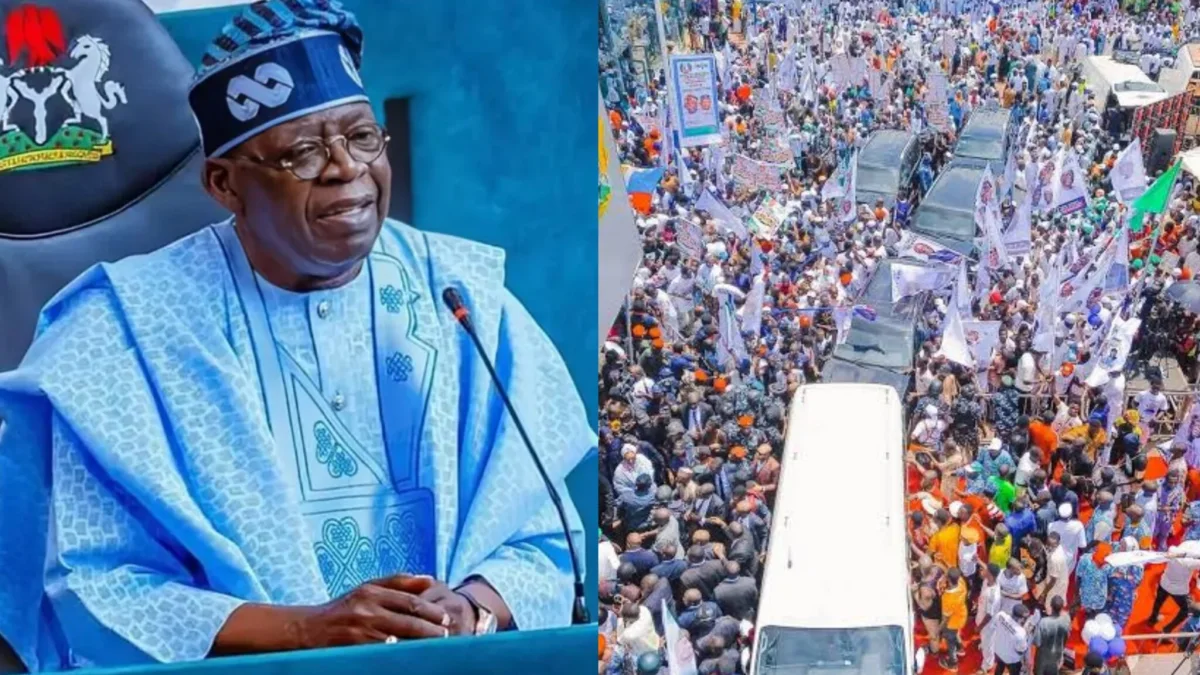
President Bola Ahmed Tinubu is expected to personally attend All Progressives Congress (APC) campaign rallies in 12 states ahead of the 2027 presidential election, while party leaders and campaign officials are scheduled to represent him at events elsewhere in the country.
The proposed timetable, has placed the President’s campaign schedule under political scrutiny. Tinubu says his responsibilities as head of state mean he cannot attend every rally, while opposition figures argue that he should engage voters directly and answer questions about his administration’s record.
What the reported campaign schedule says
According to the timetable reported by TheCable, the APC plans to begin its nationwide campaign in Kaduna on October 24, 2026. Tinubu is listed to attend selected rallies through early January 2027, with party leaders expected to handle many of the other state events. The schedule is described as provisional and may change.
Some of the states where Tinubu is not currently listed to attend in November include:
- Cross River
- Gombe
- Nasarawa
- Ekiti
- Ebonyi
- Jigawa
- Ondo
- Edo
- Yobe
- Kebbi
- Akwa Ibom
- Anambra
- Benue
These are scheduled campaign events, not a declaration that Tinubu will never visit these states during the campaign. The distinction matters because the published timetable may be revised, and a rally led by other APC officials does not necessarily mean the President will have no contact with voters in that state.
Tinubu’s explanation: Governance must continue
At the inauguration of the APC Presidential Campaign Council on October 14, Tinubu said the demands of the presidency would not stop because of the election campaign.
He explained that he would still make time to address Nigerians directly, but expected the campaign council to take the party’s message to communities across states and local government areas. He also referred to Nigeria’s financial obligations and the need to attract investors willing to make long-term commitments to the country.
The President’s stated position is therefore that his absence from some rallies is intended to allow him to continue governing while the party campaigns. The available reporting does not establish that he is avoiding particular states for any other reason.
Opposition criticism and political implications
The proposed schedule has attracted criticism from opposition figures who argue that a sitting president seeking another term should personally engage voters across the country.
According to The Guardian, opposition voices have questioned whether campaign surrogates can adequately replace direct engagement with the President, particularly on issues relating to his administration’s performance.
The debate raises several questions:
- Accountability: Will Nigerians in states where Tinubu is absent have sufficient opportunities to question him directly about government policies and performance?
- Campaign representation: How effectively can APC governors, national leaders and campaign officials communicate the President’s agenda on his behalf?
- National outreach: Will the proposed schedule be maintained, or will the party adjust it as the campaign progresses?
- Governance during electioneering: How will the administration balance presidential duties with the demands of a nationwide campaign?
These are questions for voters to assess against the campaign’s eventual conduct, rather than conclusions that can be drawn from the timetable alone.
Important verification notes
The headlines phrase “over 20 states where Tinubu will not attend” should be read as referring to the current proposed schedule, not a permanent decision to avoid those states. Vanguard reported that the timetable is provisional and subject to official confirmation. Its report also notes a discrepancy between the schedules stated coverage of the 36 states and the FCT and the venues actually listed, with Anambra absent from the published list.
Note:
Tinubu’s decision to attend selected APC campaign rallies has opened a debate about presidential responsibility, direct voter engagement and political accountability ahead of the 2027 election. His explanation is that governance and Nigeria’s financial obligations require his attention; opposition figures want him to face voters more directly.
The key test will be whether the APC’s campaign communicates its policies clearly, responds to public concerns and provides voters across the federation with meaningful opportunities to scrutinize the administration’s record.