

Africa | News
LGBTQ People Go Into Hiding in Senegal as Hundreds Are Arrested Amid Intensifying Crackdown
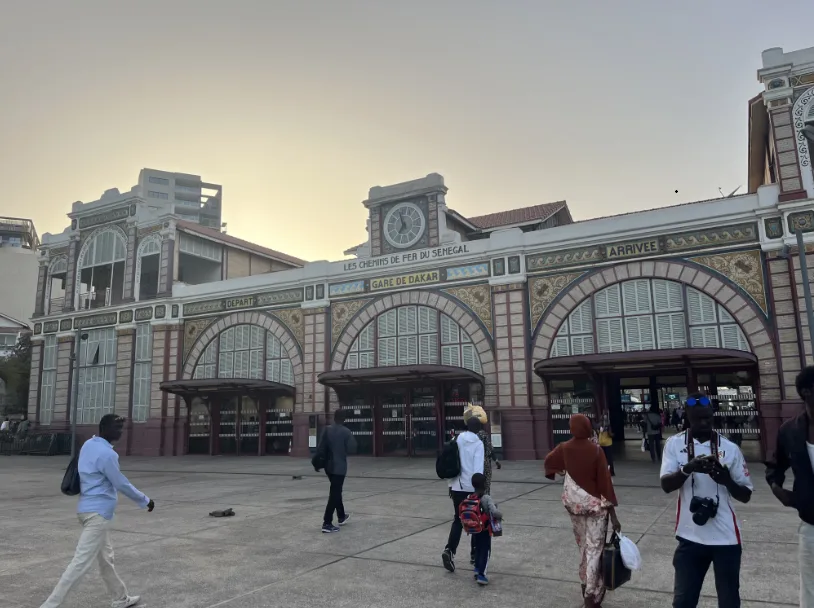
DAKAR, Senegal - October 19, 2026
Hundreds of people suspected of being LGBTQ have reportedly been arrested in Senegal, forcing members of the community to restrict their movements, abandon normal activities and, in some cases, flee the country amid growing fears of prosecution and public exposure.
The crackdown follows tougher legislation adopted by Senegal's parliament in March 2026, which increased penalties for consensual same-sex relations and introduced additional offenses targeting the promotion of homosexuality and support for LGBTQ individuals and organizations.
A report published by Human Rights Watch (HRW) and subsequently reported by The Guardian, documents allegations of mass arrests, HIV testing without informed consent, barriers to legal representation and the disclosure of sensitive medical information.
The developments have raised concerns about fundamental rights, access to healthcare and the potential consequences for Senegal's public health programmes.
More Than 300 People Reportedly Arrested
According to figures cited by HRW from the HIV Justice Network, more than 300 people had been arrested between February and July 2026 on allegations of so-called “acts against nature.”
The African Forum for the Defense of Human Rights, known by its French acronym RADDHO, recorded at least 212 arrests during the same period.
HRW said it could not independently verify the overall number of arrests, underscoring the difficulty of establishing a definitive national total.
The arrests have reportedly occurred in several locations, including Dakar, Thiès, Saint-Louis, Rosso, Yeumbeul and Ziguinchor.
According to the human rights organization, police and gendarmerie officials have cited information extracted from seized mobile phones, allegations made by third parties and raids on private premises as grounds for detaining suspected individuals.
The reported methods have generated fears that private communications and personal associations could expose people to investigation, harassment or arrest.
Senegal Toughens Its Anti-LGBTQ Legislation
On March 11, 2026, Senegal's parliament amended Article 319 of the country's penal code, strengthening existing restrictions on consensual same-sex sexual activity.
The revised law increased the maximum prison sentence for consensual same-sex relations to 10 years. It also introduced penalties for activities described in the legislation as promoting or supporting homosexuality, including support for LGBTQ individuals and organizations.
The new provisions carry potential prison terms of up to seven years and fines ranging from 500,000 to five million CFA francs, according to The Guardian's report.
Same-sex sexual conduct had already been criminalised in Senegal since 1965. However, the latest amendments have expanded the legal risks facing LGBTQ people and those who provide support to them.
During the 2024 presidential campaign, President Bassirou Diomaye Faye and former prime minister Ousmane Sonko pledged to strengthen the country's restrictions on same-sex relations.
The subsequent legislative changes have contributed to an increasingly hostile environment for LGBTQ communities, according to HRW.
Human Rights Watch Raises Concerns About Due Process
HRW's investigation identified concerns extending beyond the arrests themselves, including the ability of detainees to obtain legal representation and receive a fair hearing.
Lawyers interviewed by the organization described pressure and apprehension surrounding cases involving LGBTQ clients. Some reportedly feared that representing such defendants could expose them to public hostility or legal consequences.
This situation raises questions about access to justice, particularly where suspects may be detained for extended periods or face charges based on evidence obtained from private communications.
Under international human rights standards applicable to Senegal, people facing criminal proceedings are entitled to fundamental protections, including a fair trial, legal representation and the presumption of innocence.
HRW has urged the Senegalese authorities to investigate alleged abuses and ensure that detainees can obtain legal assistance without intimidation.
The organisation has also called for safeguards against arbitrary detention and for authorities to ensure that pretrial detention is not used as a routine measure.
Forced HIV Testing Raises Public Health Concerns
One of the most serious allegations in the report concerns HIV testing and the use of medical information in criminal investigations.
HRW said people detained during the crackdown were reportedly subjected to HIV tests without informed consent. Health professionals and rights advocates also raised concerns that test results were subsequently used to support additional criminal allegations.
According to the report, HIV Justice Network identified at least 82 people who had faced charges relating to alleged voluntary HIV transmission; The Guardian reported a figure of at least 84. These figures differ across the reports and should not be treated as a single independently verified total.
HRW reported that a court dismissed the relevant HIV-transmission charges in August 2026.
The allegations have raised concerns about medical confidentiality, informed consent and the distinction between a person's HIV status and evidence of intentional transmission.
HIV status alone does not establish that a person has deliberately transmitted the virus. Any criminal allegation requires evidence assessed through appropriate legal procedures.
Medical confidentiality is also central to effective healthcare. When patients fear that test results could be disclosed to police, journalists or members of the public, they may avoid testing, treatment and follow-up appointments.
HIV Clinics Report Reduced Attendance
The crackdown may have consequences extending beyond the people directly arrested.
Reuters reported in April 2026 that attendance at HIV treatment services had fallen amid the arrests and growing fear of persecution. Government health data cited by Reuters showed a 25.6% decline in HIV clinic attendance between January and February 2026.
HRW subsequently reported that health professionals had observed people avoiding appointments because of concerns about arrest, forced testing and the disclosure of confidential information.
Some healthcare workers described patients withdrawing from treatment or disappearing from routine follow-up.
Such developments can undermine HIV prevention and treatment efforts. People who cannot access diagnosis, medication and regular medical care may experience poorer health outcomes, while interruptions in effective treatment can have wider public health implications.
Senegal had made progress in its response to HIV, making the reported decline in access to services particularly concerning.
Public health experts and human rights advocates have therefore stressed the importance of ensuring that people can obtain confidential medical care without fear of criminalization or exposure.
Fear, Stigma and Displacement
HRW interviewed members of Senegal's LGBTQ community who described anxiety, depression, threats, social isolation and changes to their daily routines.
Some people have reportedly gone into hiding, limited their movements, withdrawn from online activities or relocated to avoid being identified.
Others have left the country.
The report also documented concerns about personal information appearing in the media while criminal investigations were ongoing. The disclosure of names, photographs and alleged HIV status can expose individuals to discrimination, family rejection, threats and physical violence.
The consequences may extend to people who have not been charged with an offense but fear being identified through their personal relationships, mobile phones or social networks.
For people already facing social stigma, the possibility of public exposure can create additional barriers to employment, housing, education and healthcare.
HRW has called on authorities to investigate alleged breaches of confidentiality and protect the privacy of people involved in criminal proceedings.
A Wider Regional Debate Over LGBTQ Rights
Senegal's legislative changes form part of a wider debate across sub-Saharan Africa over laws regulating same-sex relationships and the rights of sexual minorities.
Several countries in the region criminalize consensual same-sex sexual activity, while some have introduced or proposed additional restrictions affecting advocacy organizations and support services.
The legal frameworks differ from country to country, including the offenses covered and the penalties available.
In Senegal, the current dispute centers not only on the criminalization of same-sex conduct but also on the reported enforcement practices, the treatment of detainees and the effects on healthcare access.
HRW argues that the crackdown conflicts with fundamental protections under Senegalese and international law, including rights relating to privacy, non-discrimination, informed consent and fair trial procedures.
The Senegalese government has not provided a response to HRW's detailed questions, according to the organizations report.
What Happens Next?
The situation is likely to remain under scrutiny from human rights organizations, healthcare professionals and international observers.
HRW has called for the repeal of the amended provisions criminalizing same-sex conduct and the promotion or support of LGBTQ people and organizations. It has also urged the government to investigate alleged abuses, protect medical confidentiality and guarantee access to legal representation.
The immediate challenges include determining the status of those detained, ensuring that legal proceedings meet due-process requirements and restoring confidence in confidential healthcare services.
Whether the authorities adopt these recommendations remains uncertain.
For healthcare providers, a key concern is ensuring that people can access HIV testing and treatment without fear of involuntary disclosure or punitive consequences unrelated to their medical needs.
For the justice system, the central questions concern evidence, privacy, legal representation and the treatment of people who have not been convicted of an offense.
Factful24 Analysis: Legal Enforcement and Public Health at a Critical Crossroads
Senegal's crackdown highlights a difficult intersection between criminal law, individual rights and public health.
The reported arrests have created an atmosphere in which members of the LGBTQ community may fear seeking medical care, contacting lawyers or maintaining ordinary social relationships.
Three issues stand out.
First, the scale of the arrests remains difficult to establish conclusively because the available figures come from advocacy organizations rather than a comprehensive official count.
Second, allegations of forced HIV testing and disclosure of medical information raise serious questions about consent, confidentiality and the proper use of health data in criminal proceedings.
Third, fear of prosecution may undermine public health programmes if people stop attending clinics or interrupt treatment.
The situation also illustrates why allegations, charges and convictions must be distinguished. Arrest does not establish guilt, and a person's HIV status is not, by itself, proof of intentional transmission.
Summary: Senegal's strengthened anti-LGBTQ legislation has been followed by hundreds of reported arrests and allegations of rights violations. Human Rights Watch warns that the crackdown is driving people into hiding and discouraging access to HIV services. The extent to which the government addresses concerns over due process, medical confidentiality and healthcare access will be central to the next stage of the crisis.
Sources
The Guardian, LGBTQ people go into hiding in Senegal as hundreds are arrested
This report reflects published reporting and human rights findings available as of October 19, 2026.
Arrest figures and legal proceedings may change as further information becomes available.