

Health & WellBeing
Everyday Ultra-Processed Foods Linked to Early Signs of Brain Damage, Study Finds
FACTFUL24 | HEALTH | October 20, 2026
A new study involving nearly 8,800 middle-aged Canadian adults has found that people who consume the highest amounts of ultra-processed foods are more likely to show signs of small-vessel damage in the brain, potentially associated with future stroke and memory problems.
The research, published on October 15, 2026, in JAMA Network Open, examined dietary habits and brain MRI scans. Researchers found that participants with the highest consumption of ultra-processed foods were approximately 40% more likely to show certain signs of vascular brain injury than those who consumed the least.
However, the researchers stressed that the findings show an association, not proof that these foods directly cause brain damage.
Which everyday foods are researchers concerned about?
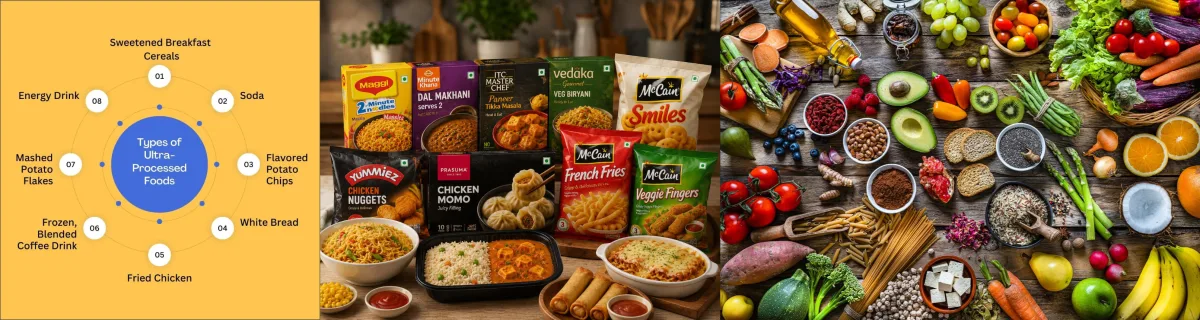
The study focused on ultra-processed foods (UPFs), which undergo extensive industrial processing and often contain added sugars, salt, fats or additives.
1. Sugary drinks and soft drinks
Regular consumption can contribute to excessive sugar intake and metabolic problems that affect cardiovascular and brain health.
2. Packaged snacks and crackers
Some contain high levels of sodium, refined carbohydrates and fats, while providing relatively little fibre.
3. Sugary breakfast cereals
Products high in added sugar may displace more nutritious breakfast options when eaten frequently.
4. Instant noodles and ready meals
Many varieties contain substantial sodium and may be less nutritious than balanced meals prepared with vegetables, beans, fish or other protein sources.
These are examples of foods included in the broader ultra-processed category, not a ranking of individual products proven to cause brain damage.
What did the research actually find?
The study examined 8,783 adults aged 35–69 who had no history of cardiovascular disease. Researchers compared reported food consumption with brain MRI scans and cognitive assessments.
8,783 adults
Participants in the Canadian analysis
40% higher odds
Of certain MRI signs of vascular brain injury among those with the highest versus lowest intake
No significant cognitive difference
The study did not find significant differences in measured memory, attention and thinking performance.
The 40% figure refers to the relative odds of particular MRI abnormalities, not a 40% chance of developing dementia or having a stroke. The study was cross-sectional, meaning researchers assessed participants at one point rather than following changes over time. It therefore cannot establish that ultra-processed foods caused the brain abnormalities.
What can people do to protect their brain health?
Nutrition experts recommend focusing on a balanced eating pattern rather than becoming fearful of individual foods.
- Eat more fruits and vegetables, including leafy greens.
- Choose beans, lentils, whole grains and other fiber-rich foods regularly.
- Include nutritious protein sources such as fish, eggs and beans.
- Drink water more often instead of sugar-sweetened drinks.
- Check food labels for added sugar, sodium and saturated fat.
- Replace highly processed foods gradually rather than attempting an unrealistic total ban.
These are general healthy-eating measures; the study did not prove that making these specific changes reverses existing brain injury.
Note:
The research adds to concerns about the relationship between heavily processed diets and long-term vascular health. Its most important finding is that some brain MRI abnormalities associated with future health risks may be present even in adults who do not have obvious symptoms.
But the headline needs context: researchers found an association, not proof that everyday processed foods directly damage the brain. Longer-term studies are needed to establish whether reducing consumption can prevent or slow these changes.
Source:
Medicalxpress