

News
Six Years After #EndSARS: Rights Groups Renew Calls for Justice, Compensation and Reform
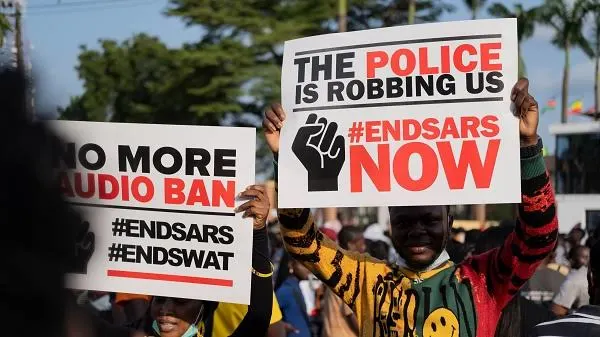
WRC, SWL demand compensation from govt, apology for 2020 #EndSARS protesters
The Workers' Rights Campaign (WRC) and the Socialist Workers League (SWL) have asked the Federal Government to compensate victims of the 2020 #EndSARS protests, offer a public apology, and initiate an independent investigation into killings and injuries during the
demonstrations.
In separate statements released on Tuesday to mark six years since the protests, the organisations said many of the recommendations of state judicial panels of inquiry are yet to be implemented - leaving survivors, detained protesters, and bereaved families without full redress. Lagos panel, for instance, awarded about ₦410 million to roughly 70 petitioners, while campaigners continue to report slow and uneven implementation of reparations and accountability measures.
Background to the protests
The #EndSARS movement was unleashed in October 2020 after years of complaints about police brutality, especially abuses committed by the now-disbanded Special Anti-Robbery Squad (SARS). Demonstrations quickly spread nationwide with young Nigerians demanding an end to police violence and wider governance reforms.
The protests were met by a security crackdown and the October 20, 2020 shootings at the Lekki Toll Gate in Lagos became the most prominent and contentious episode of the crisis. A Lagos judicial panel probed the incident while the ECOWAS Court of Justice in 2024 found Nigeria guilty of human-rights violations associated with the Lekki protest and ordered compensation for victims named in the case.
WRC demands worker-youth unity
In a statement titled 'EndSARS Rebellion, Six Years Later: Workers and Youths, Unite and Fight!', the WRC described the protests as a crucial struggle by working-class and middle-class young people against police brutality, poor governance and what it called exploitative political and economic system.
Signed by Chairperson Frances Akinjole and Secretary Bàbá Ayé, the group gave tribute to young Nigerians who died while demanding justice and constitutional rights, including freedom of movement, expression, and peaceful assembly.
The WRC recalled that organised labour had planned a general strike for September 28, 2020, but called it off at the last minute. It said leaders of the two major trade-union centres feared it could generate revolutionary pressure, and challenged left-wing and radical civil-society groups to build a campaign against the existing system.
According to the WRC, the Take It Back movement, related to the African Action Congress (AAC), helped mobilise the first nationwide demonstration on October 1, 2020. It added that the police killing of a young man in Ughelli, Delta State, on October 4 intensified public anger and prompted AAC national chair and Take It Back convener Omoyele Sowore to call for mass action and the dissolution of SARS.
The group argued that the protests exposed the limitations of youth-driven mobilisation without the organised involvement of labour. While many workers joined demonstrations and barricades, it said, the working class did not intervene sufficiently as an organised force.
"General strikes, synchronised to mass upheavals on the streets, constitute the greatest power of the popular classes against the ruling class of oppressors who exploit us," the WRC said.
It called on young workers to join or form trade unions, challenge unresponsive union leadership where necessary, and hold the Nigeria Labour Congress and other unions accountable. The group noted that the anniversary coincided with NLC's strike ultimatum to the Federal Government over economic hardship following fuel-subsidy removal and inadequacy of the national minimum wage.
"The mission of this generation must be the unalloyed struggle for liberation," the WRC said.
SWL seeks independent inquiry
In its statement, 'Six Years After: The Embers of Resistance Remain Unquenched,' the SWL also paid tribute to young Nigerians who joined the protests. The statement was signed by National Chairperson Kelvin Ayemhenre and Deputy National Secretary Lekan Abdulazeez Soneye.
The group said scores of protesters were killed, injured or detained during demonstrations and subsequent crackdown. It maintained that although the state used force to suppress the movement, it failed to extinguish young Nigerians' desire to challenge the prevailing political and economic order.
The SWL said its activists participated in the protests and helped broaden the demands from an end to police brutality to calls for systemic change and end to bad governance. It also credited the Take It Back movement for helping mobilise protesters nationwide and supplying left-wing activists who shaped the movement's demands.
The organisation commended Take It Back, EndSARS United, lawyers and other activists who worked to secure the release of arrested or detained protesters. However, it said victims and their families were still awaiting justice six years later.
The SWL said judicial-panel reports had not been fully implemented, some affected persons remained in detention and victims of injuries or unlawful detention - as well as families of those killed - had not received adequate compensation.
It put forward three core demands:
• Immediate compensation for injured or detained protesters and families of those killed.
• Public apology from Federal Government.
• Open, independent inquiry into attacks on protesters (including representatives of trade unions, civil society and affected communities) with mandate to identify those responsible.
Joint call for renewed mobilisation
Both groups urged young people and workers to sustain their cooperation and link demands for #EndSARS justice to campaigns against police abuses, economic hardship and poor governance.
They argued that renewed mass mobilisation is necessary to secure accountability for the 2020 crackdown and push for long-standing reforms in policing and governance. Their position reflects the continuing calls by rights groups for enforcement of judicial-panel recommendations and implementation of reparations ordered by courts.
Source: Saharareporters