

Health & WellBeing
Nigeria Confirms First Ebola Case in Abuja as Authorities Trace 44 Contacts
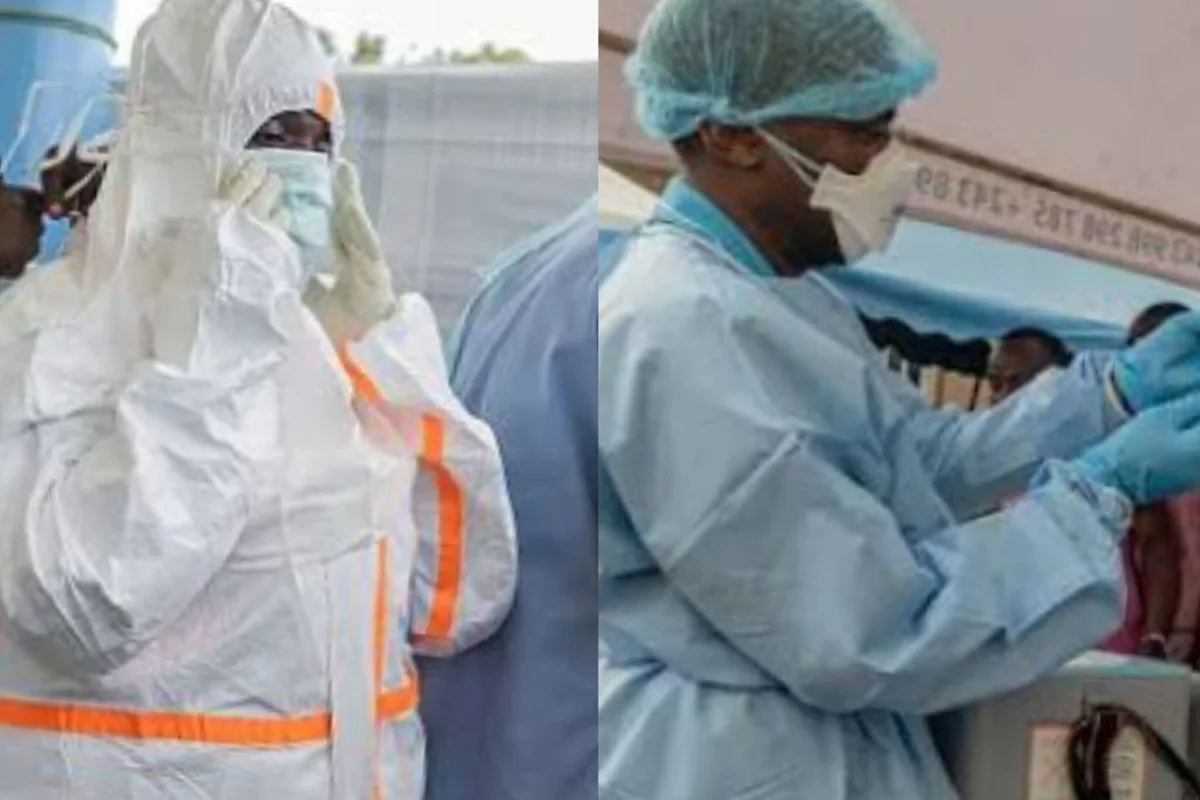
Sub-headline: Federal Government activates emergency public-health measures after laboratory confirmation of imported Bundibugyo Ebola virus disease in the Federal Capital Territory.
ABUJA, Nigeria - October 21, 2026
Nigeria has confirmed an imported case of Ebola virus disease in the Federal Capital Territory (FCT), Abuja, prompting health authorities to intensify surveillance, contact tracing and infection-control measures to prevent further transmission.
The Federal Ministry of Health and Social Welfare confirmed the case on October 20, following laboratory testing of a female patient who had recently traveled to Nigeria from Uganda. The patient is currently in isolation and receiving medical care, according to the government.
The World Health Organization (WHO) identified the infection as Bundibugyo Ebola virus disease, a strain associated with the ongoing outbreak in the Democratic Republic of the Congo (DRC). Nigeria has become the fifth country to detect the virus during the current outbreak, according to the WHO.
Authorities identify 44 contacts
Health officials have identified 44 people who may have been exposed to the patient and are monitoring them as part of ongoing contact-tracing efforts.
Those identified include healthcare workers, patients, caregivers and travel-related contacts. Authorities are continuing investigations to establish the likely source of infection and reconstruct the patient's travel and exposure history.
The Federal Government has directed public and private healthcare facilities nationwide to remain on high alert. Medical personnel have been instructed to identify suspected cases promptly, isolate patients where necessary, observe strict infection-prevention protocols and report suspected infections to public-health authorities without delay.
The government is also working with the Nigeria Center for Disease Control and Prevention (NCDC), the FCT Health Services Secretariat and other relevant agencies to strengthen the response.
What Nigerians should know about Ebola
Ebola is a severe viral disease that can cause serious illness and death. It spreads primarily through direct contact with the blood or other body fluids of an infected person who is experiencing symptoms, as well as contaminated objects and surfaces.
Symptoms can include fever, severe weakness, headache, muscle pain, vomiting, diarrhea and, in some cases, unexplained bleeding. Symptoms may resemble other illnesses, making prompt medical assessment important.
People who suspect they have been exposed should avoid close contact with others and seek guidance from public-health authorities before visiting a healthcare facility. They should not attempt to diagnose or treat suspected Ebola at home.
Health authorities also advise the public to practise good hand hygiene, avoid contact with the body fluids of suspected or confirmed cases and cooperate with contact-tracing teams.
Regional outbreak raises concerns
Nigeria's case comes amid an evolving regional outbreak linked to the DRC, where Bundibugyo Ebola virus disease has spread across borders.
The detection of imported cases has heightened concerns about international travel, surveillance and the capacity of health systems to identify infections early.
However, confirmation of one case does not by itself mean that widespread transmission is occurring in Nigeria. The effectiveness of containment measures will depend on how quickly potentially exposed people are identified, monitored and supported, alongside prompt isolation and treatment of suspected cases.
Nigeria draws on lessons from 2014
Nigeria successfully contained an Ebola outbreak in 2014 after an infected traveler introduced the virus into Lagos. Rapid case identification, isolation, contact tracing and coordinated public-health action played important roles in that response.
The current case will test the country's preparedness once again, particularly the speed of diagnosis, coordination between health agencies and the ability to trace people who may have been exposed.
The Federal Government has urged Nigerians to remain calm, avoid spreading unverified information and follow official health guidance as investigations continue.
Note: Nigeria's confirmed Ebola case requires vigilance, rapid contact tracing and transparent public-health communication. The immediate priority is to identify possible exposures, monitor contacts and prevent further transmission without creating unnecessary panic or stigmatizing affected people.
Source for verification and accountability:
Federal Ministry of Health and Social Welfare