

Travel | Immigration | International Jobs
‘I can’t sleep at night’: international students forced to navigate the impact of Labor’s sudden visa changes
Australia | Immigration | Education | 23 October 2026
Australia’s latest student visa restrictions are creating anxiety among international students, with some worried about completing their studies, maintaining their immigration status and keeping their families together. A report published by The Guardian on 23 October 2026 highlights the personal consequences of the changes introduced by the Australian Labor government as it seeks to tighten migration controls.
The developments raise questions about how immigration enforcement can be balanced with the expectations of students who have already committed significant time and money to studying in Australia.
Key developments behind the visa uncertainty
1. Students face disruption to their study plans
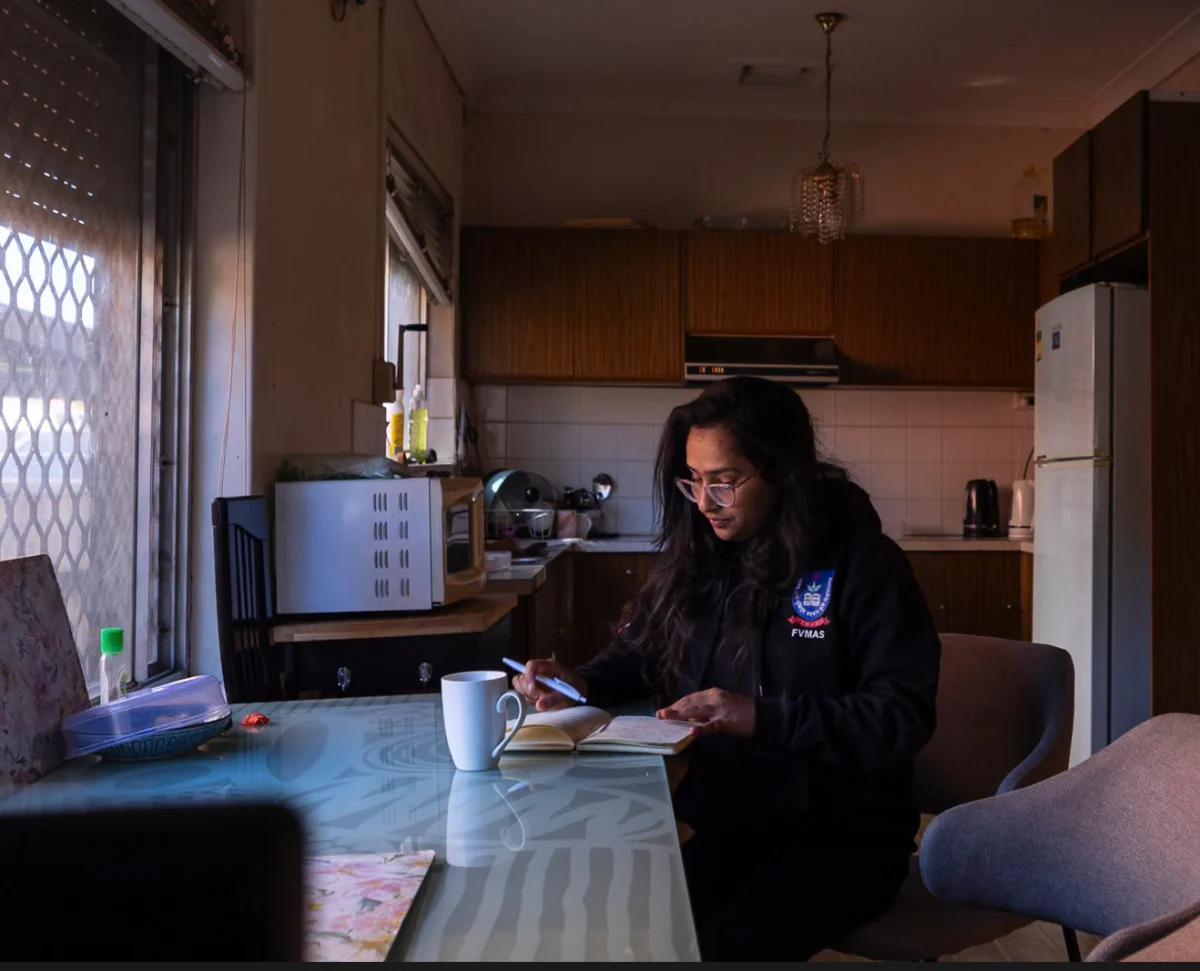
Fatima Bonna, a Bangladeshi student pursuing a master’s degree in early childhood education, told The Guardian that her student visa is due to expire four months before her course finishes. Because of the new rules, she expects to have to apply for another student visa from outside Australia, creating uncertainty over how she will complete her programme.
2. Restrictions affect family reunification
The changes also affect students hoping to bring their partners or children to Australia. The report highlights Wina Satria, an Indonesian PhD candidate who had planned to bring her husband to help raise their young son. The new restrictions disrupted that plan.
Under the rules effective from 2 October 2026, most student visa applicants cannot include family members, subject to specified exemptions. Students generally cannot add relatives after a visa has been granted.
3. What Australia's government says
The Australian government says the reforms are intended to protect the integrity of the student visa programme, prevent misuse of migration pathways and ensure that student visas are primarily used for education.
The government is also seeking to reduce net overseas migration to 225,000 by 2027–28. It maintains that genuine international students should still be able to study in Australia under the new arrangements.
4. Universities and the wider education sector raise concerns
University leaders have warned that visa uncertainty, increased refusal rates and the wider political debate around immigration are making it harder for institutions to fill international student places. The changes could also influence prospective students' decisions about where to study and whether to pursue longer-term opportunities in Australia.
What this means for prospective students in Nigeria
For Nigerians considering Australia as a study destination, the new rules make it particularly important to verify visa eligibility before paying tuition deposits, changing institutions or making family relocation plans.
- Check where you can apply: Most temporary visa holders who are in Australia cannot switch to a student visa from within the country unless an exemption applies.
- Understand family restrictions: Nigerian applicants should check the applicable defendant rules and whether any exemption is available.
- Plan for course completion: Confirm that your visa covers your intended study period and seek qualified advice if it does not.
- Verify current requirements: Use the official Study Australia visa update and the Australian Department of Home Affairs before making financial commitments.
Note:
Australia's latest student visa reforms illustrate the tension between governments' efforts to control migration and international students' need for predictable rules. While the government says the changes will protect the integrity of its education system, affected students face difficult decisions about their education, finances and families.
The central question is whether migration controls can achieve their intended purpose without imposing disproportionate disruption on genuine students who have already invested in their education.
Source: Guardian