

United States | News
El-Sayed Refuses to Discuss 2012 Muslim Brotherhood Letter, says ‘I’m Not Interested’
US POLITICS | October 24, 2026
Michigan Senate candidate faces renewed scrutiny over a letter addressed to Egypt’s former president, while denying membership in the Muslim Brotherhood and accusing Republicans of politicizing his faith.
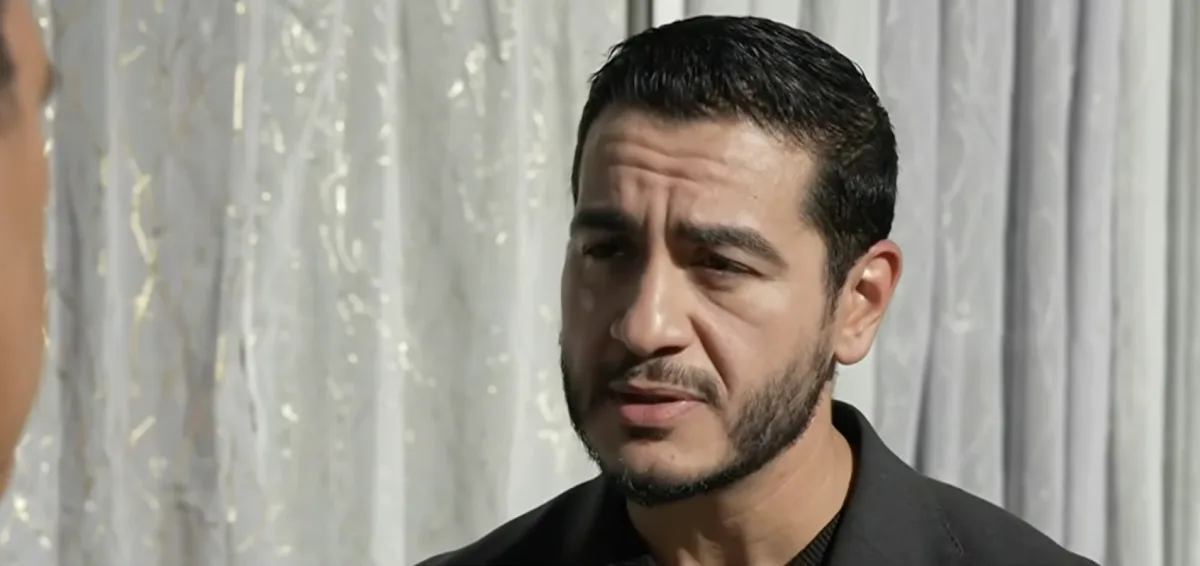
Michigan Democratic Senate candidate Abdul El-Sayed has declined to engage with questions about a 2012 letter linked to Egypt’s former president, Mohamed Morsi and the Muslim Brotherhood, during a televised interview with Fox News anchor Bret Baier. The exchange has intensified scrutiny of the candidate as he campaigns for a seat in the US Senate.
According to the New York Post, Baier pressed El-Sayed about an open letter he signed in 2012 that urged Morsi to “purge” Egypt’s media and police. Morsi, who served as Egypt’s president from 2012 to 2013, was associated with the Muslim Brotherhood, a political and religious movement that has faced bans and terrorist designations in several countries.
El-Sayed repeatedly interrupted the questioning and objected to what he described as an attempt to portray him as having divided loyalties. He said he was unwilling to engage with a statement that could be taken out of context and used to question his allegiance to the United States.
El-Sayed denies Brotherhood membership
During the interview, El-Sayed maintained that he had never been a member of the Muslim Brotherhood and would never join it. He also affirmed his allegiance to the US Constitution.
The candidate has argued that Republican attacks concerning the organization are being used to make his Muslim identity a political issue rather than address his policy positions and proposals for Michigan voters.
The distinction is significant: questions about the contents of a historical political letter do not, by themselves, establish membership in or allegiance to the Muslim Brotherhood.
What was in the controversial 2012 letter?
The letter, published by Egyptian news outlet Al-Ahram Gate in November 2012, expressed support for Morsi’s decisions and called for the media and police to be purged. The document resurfaced during El-Sayed’s Senate campaign, with the Washington Free Beacon reporting on his signature in September 2026.
The timing matters. Morsi had issued a declaration expanding his presidential powers shortly before the letter appeared, prompting protests and concerns about executive overreach. His government subsequently faced criticism over actions against journalists and political opponents.
The letter has therefore become a subject of scrutiny over El-Sayed’s past political judgment and his current position on the movement associated with Morsi.
Republican opponent questions his political stance
Republican Senate candidate Mike Rogers has used the controversy to challenge El-Sayed’s political outlook, arguing that the letter reflects support for the Muslim Brotherhood’s ideology.
El-Sayed rejects the suggestion that he has divided loyalties, while maintaining that criticism of his religious identity is being used to distract from substantive policy issues.
The dispute comes amid a wider debate over how candidates past statements and associations should be examined during election campaigns, particularly when allegations involve national security and religious identity.
Why the controversy matters
Three issues are central to the debate:
- Political accountability: Voters may reasonably ask candidates to explain their past endorsements of political leaders and policies, including positions that could affect press freedom and the independence of law enforcement.
- Evidence and attribution: Signing a controversial letter can warrant questions about a candidate’s judgment, but it does not independently prove membership in a particular organization.
- Religious discrimination: Scrutiny of documented political actions should be distinguished from assumptions about a candidate’s loyalty based on their faith or background.
The Muslim Brotherhood is designated a terrorist organization by some governments, including Egypt, Saudi Arabia and the United Arab Emirates, but it is not designated as a whole as a terrorist organization by the United States. Its branches and affiliated groups have different legal statuses.
Note:
El-Sayed’s refusal to discuss the 2012 letter in detail has kept attention on a controversy that combines his political history, questions about press freedom and allegations concerning the Muslim Brotherhood.
His stated position is that he has never been a member of the organization and that his loyalty is to the US Constitution. Rogers, meanwhile, argues that the letter raises questions about El-Sayed’s political ideology.
The central question for voters is what the historical document reveals about El-Sayed’s political judgment today. Answering that requires examining the original letter, its context and the candidate’s current explanations, rather than treating allegations as established facts.
Sources: New York Post - October 23, 2026; Washington Free Beacon — September 23, 2026.