

News
2027: Nigerian Youths Tell Tinubu, Atiku, Obi What They Want From the Next President
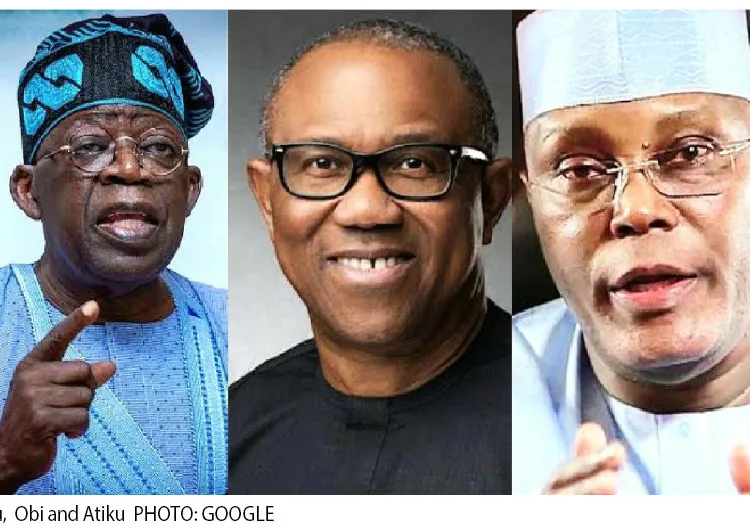
Jobs, lower living costs, security, affordable education and accountable leadership top young Nigerians’ demands ahead of the presidential election.
As Nigeria moves towards the 2027 presidential election, young people across several states have outlined the leadership qualities and policy priorities they expect from whoever emerges as the country’s next president.
In interviews published by LEADERSHIP, youths and other respondents identified employment opportunities, economic relief, improved security, affordable education, reliable electricity and credible leadership as key considerations in their voting decisions.
Their message to President Bola Tinubu, former Vice-President Atiku Abubakar, Peter Obi and other presidential contenders is that campaign slogans and party affiliations will not be enough. They want practical plans capable of addressing the economic and social challenges affecting their daily lives.
Unemployment Remains a Major Concern
For many young Nigerians, securing a decent job remains one of the most pressing challenges.
A final-year student at Adekunle Ajasin University in Ondo State, Akinola Solomon, said he would prioritize a candidate with a credible plan to create employment opportunities for graduates.
His concern reflects the uncertainty confronting young people who invest years in education but remain unsure whether suitable jobs will be available after graduation.
Other respondents called for policies that support entrepreneurship, small businesses, industrial development and the revival of struggling industries.
In Imo State, young respondents identified employment creation and industrial revival as priorities, while a phone repairer in Bayelsa State, Reginald Ogundu, said young people needed more job opportunities alongside practical support for small businesses.
The demands suggest that candidates will face questions about the number of jobs their policies could generate, the sectors expected to absorb new workers and the timelines for delivering results.
Cost of Living Puts Economic Policies Under Scrutiny
The rising cost of food, transportation, fuel and other essential goods also featured prominently in the responses.
In Ondo State, fashion designer Samuel Onigiobi said the high cost of living had affected his business because customers were struggling to meet their basic needs.
In Bayelsa State, respondents similarly called for measures to make food and transportation more affordable and improve the operating conditions of small businesses.
For households and entrepreneurs, economic recovery is not simply a question of national statistics. It is also about purchasing power, business revenue, access to essential services and the ability to meet everyday expenses.
Tinubu's administration will therefore face questions about whether its economic reforms are translating into tangible improvements in household welfare. Opposition candidates will also need to explain how their proposed alternatives would ease hardship, finance public services and support sustainable economic growth.
Security and Public Accountability
Security was another major consideration, particularly among respondents concerned about kidnapping, banditry and other violent crimes.
Youths in Gombe State said the next president must demonstrate a clear commitment to protecting lives and property. Respondents in Ekiti and Oyo states also identified insecurity as a priority requiring practical solutions.
Beyond security, voters emphasized integrity, transparency and competence.
Some said they would examine candidates' previous records in public office, while others stressed that political leaders must account for public spending and demonstrate a willingness to fulfil campaign promises.
These expectations place the emphasis on measurable performance rather than campaign rhetoric. Candidates will need to explain how their security strategies would operate, how public funds would be monitored and how citizens could assess progress.
Education, Electricity and Healthcare
The respondents also called for improvements in essential public services.
In Kwara State, young people highlighted the need for affordable education, steady electricity and economic opportunities. In Ekiti State, respondents raised concerns about tuition costs, student support and the welfare of young graduates.
In Oyo State, youths stressed the importance of accessible, quality education, including addressing the challenges faced by children who remain outside the school system.
Healthcare also featured among the concerns raised by respondents across the country.
For students, parents, workers and business owners, these services affect both immediate living standards and long-term economic prospects.
Presidential candidates will therefore be expected to explain how they intend to fund improvements in schools, hospitals and electricity supply while ensuring that programmes reach people who need them.
What the Demands Mean for Tinubu, Atiku and Obi
The demands outlined by the respondents apply to all presidential contenders, regardless of party affiliation.
Tinubu will need to explain how his administration intends to address the effects of economic hardship while demonstrating the benefits it expects Nigerians to gain from its policies.
Atiku Abubakar and Peter Obi, alongside other challengers, will face questions about the practical details, costs and implementation of their proposals for economic recovery, employment, security and public services.
For all candidates, the central challenge is to connect policy commitments to outcomes that citizens can measure.
Promises of job creation, for example, could be accompanied by employment targets, sector-specific plans and implementation timelines. Commitments to reduce the cost of living could be assessed against food prices, transport expenses and household purchasing power.
Similarly, security pledges could be evaluated through improvements in public safety, responses to violent crime and the protection of vulnerable communities.
Such benchmarks would help voters compare proposals on their substance rather than relying exclusively on party loyalty, political personalities or campaign messaging.
Youth Participation and the Accountability Question
The responses also highlight the importance of young people's participation in democratic decision-making.
Young Nigerians are not a uniform political bloc. Their priorities differ according to location, occupation, economic circumstances and personal experience. Some respondents emphasized the need for political change, while others expressed support for continuity or focused on particular qualities they expected from a president.
That diversity makes it important for candidates to engage young voters across different communities rather than assume that a single message will address everyone's concerns.
Public debates, town hall meetings, accessible manifestos and clear explanations of policy financing could give voters more opportunities to scrutinize competing proposals.
Young people, in turn, can assess candidates' records, verify campaign claims and compare proposed policies with the resources and institutions needed to implement them.
Conclusion: From Campaign Promises to Measurable Results
The message emerging from the interviews is clear: employment, affordable living, security, education, healthcare, electricity and accountable governance are central to the expectations expressed by the respondents.
As the 2027 election approaches, the important question for presidential candidates is not merely what they promise to do, but how they intend to do it, how much it will cost and how citizens will know whether their plans are working.
For young Nigerians confronting unemployment, economic pressure and uncertainty about the future, the next administration's performance will ultimately be judged by its impact on everyday life.
Source: LEADERSHIP, “Youths To Tinubu, Atiku, Obi: The Kind Of President We Want In 2027,” October 25, 2026.
Original report: https://leadership.ng/youths-to-tinubu-atiku-obi-the-kind-of-president-we-want-in-2027/