

News
Kingibe, Health Experts Demand Sustainable Funding, Legislative Action to Address Healthcare Gaps
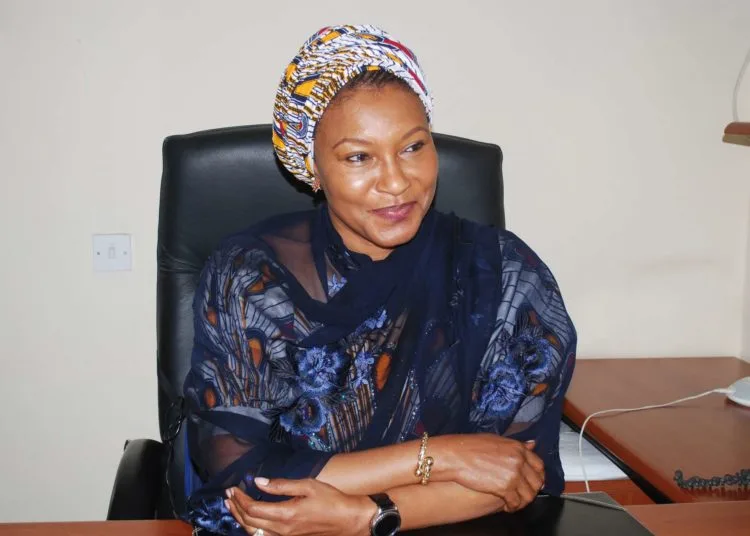
ABUJA, Nigeria — Senator Ireti Kingibe and healthcare experts have called for sustainable domestic healthcare financing, stronger legislative support and wider implementation of proven medical innovations to address persistent gaps in healthcare delivery across Nigeria and other African countries.
The call was made at the 2026 Gatefield Health Summit, themed “Scaling What Works,” in Abuja, where policymakers, health professionals and technology innovators examined practical ways to strengthen health systems and expand access to essential medical services.
Kingibe, who represents the Federal Capital Territory in the Senate, emphasized the need for African countries to develop financing models that can sustain healthcare services without excessive dependence on foreign aid and donor interventions.
She urged stakeholders to combine financial resources, technical expertise and legislative action to move successful healthcare innovations beyond pilot projects and ensure they reach more people.
According to the senator, closing the gap between innovation and implementation is essential to improving health outcomes and ensuring that effective interventions benefit communities that need them most.
Experts highlight AI's potential in healthcare
Discussions at the summit also focused on the potential of artificial intelligence (AI), digital healthcare platforms and data-driven systems to improve healthcare delivery and public health planning.
Shina Arogundade, co-founder of digital healthcare provider MyItura, said AI-powered tools could help public health authorities analyze health trends, identify emerging risks and anticipate disease outbreaks and climate-related health challenges.
However, he stressed that these technologies must be properly validated and integrated into national public health systems, with appropriate ethical safeguards.
Arogundade also called for effective AI governance and intellectual property frameworks to ensure that technological advances reach underserved and marginalized communities rather than remaining inaccessible to those who need them.
He maintained that government involvement would be essential to expanding the use of AI in a sector where public institutions play a central role in healthcare delivery.
Healthcare financing remains a central challenge
The discussions reflect wider concerns about the sustainability, affordability and accessibility of healthcare across Africa.
Insufficient domestic funding, shortages of medical personnel and barriers to accessing essential services can limit the reach of effective health interventions. Reliance on external assistance also raises questions about how countries can maintain programmes when donor priorities or funding arrangements change.
At the summit, stakeholders emphasized the importance of strengthening local financing arrangements and ensuring that successful health programmes receive the resources required for long-term implementation.
The discussions also drew attention to the time needed to train additional doctors to address workforce shortages across sub-Saharan Africa. Speakers highlighted the potential for technology and other innovations to support existing medical personnel while countries continue efforts to expand their healthcare workforce.
AI, however, is not a substitute for qualified medical professionals, reliable health facilities or sustainable funding. Its contribution will depend on responsible deployment, effective oversight and integration into functioning healthcare systems.
From policy discussions to measurable results
The central challenge facing policymakers is translating commitments into practical improvements in healthcare access, affordability and quality.
Sustainable progress will require transparent funding arrangements, effective legislation, stronger public institutions and clear mechanisms for measuring the impact of healthcare investments.
It will also require deliberate efforts to ensure that rural communities, low-income households and other underserved populations benefit from new technologies and expanded health programmes.
The Gatefield Health Summit brought together stakeholders to examine how African countries can strengthen healthcare systems through locally driven financing, policy reforms, technological innovation and broader access to proven interventions.
Note: Sustainable healthcare reform requires more than innovative ideas. It depends on reliable funding, effective government action, accountable implementation and equitable access to essential medical services. The key question is whether commitments made at policy forums will translate into measurable improvements for ordinary citizens.
Source references: Leadership · TheCable · News Agency of Nigeria