

Politics
ADC Challenges Tinubu Campaign Over Fake News Allegations, Calls for Evidence
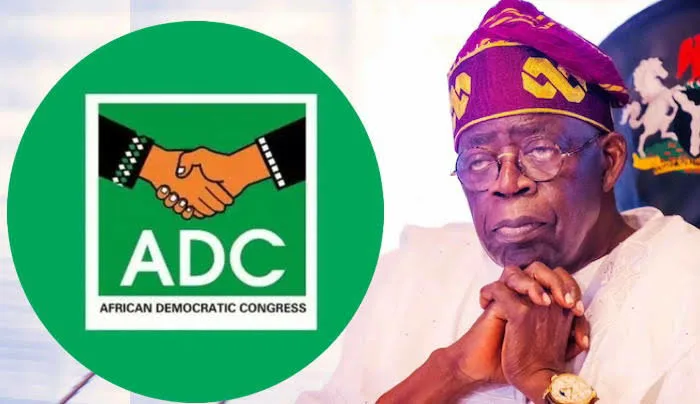
The opposition party says allegations of AI-generated content and fabricated documents should be backed by verifiable evidence.
The African Democratic Congress (ADC) has challenged the All-Progressives Congress (APC) Presidential Campaign Council to provide evidence for allegations that former Vice-President Atiku Abubakar and the opposition party planned to undermine President Bola Tinubu’s campaign launch in Kaduna through fake news.
The ADC’s response followed accusations by Dele Alake, spokesperson for the APC Presidential Campaign Council, who alleged that the opposition intended to circulate manipulated images, artificial intelligence-generated content, deepfake videos and counterfeit documents ahead of the ruling party’s campaign rally.
ADC demands verifiable evidence
Phrank Shaibu, Director of Strategic Communication for the ADC Presidential Campaign Council, described the allegations as a distraction from the administration’s economic record.
Shaibu called on the APC campaign council to provide specific evidence linking Atiku and the ADC to the alleged fabricated materials, including names, dates and forensic findings.
The opposition spokesperson argued that making allegations without publicly presenting supporting evidence risked turning a dispute over misinformation into a political confrontation.
What the APC alleged
The APC campaign council identified two principal examples in support of its claims.
- Security vehicle photograph: The party alleged that an image of a security vehicle on routine patrol near an APC campaign billboard in Kaduna was presented misleadingly as evidence that security personnel had been deployed to protect campaign materials.
- Purported ₦2.3 trillion expenditure letter: The council alleged that a document attributed to Kaduna State Governor Uba Sani falsely claimed the state government had released ₦2.3 trillion to host the rally.
The APC questioned the plausibility of the reported expenditure, citing Kaduna State’s budgets for 2024, 2025 and 2026. It also warned that manipulated videos could be circulated to create a misleading impression of public opposition to the campaign.
These remain allegations attributed to the APC campaign council; establishing responsibility for any fabricated material would require supporting evidence and independent verification.
Economic hardship enters the political dispute
The ADC used its response to redirect attention to the cost of living, arguing that Nigerians’ concerns about prices, purchasing power and household finances should not be dismissed as products of political misinformation.
The exchange comes as Tinubu’s re-election campaign begins ahead of the 2027 general election. The administration has defended its economic reforms, while opposition figures have continued to criticize their effects on living costs.
The dispute also highlights a wider challenge for political parties and the public: distinguishing authentic reporting from manipulated images, fabricated documents and AI-generated media during an increasingly digital election campaign.
Note:
The central question is whether the competing claims can be substantiated. The APC has alleged a coordinated disinformation effort, while the ADC has demanded evidence connecting the opposition to the alleged materials.
Independent verification of the documents, images and any available digital-forensic evidence would help establish what happened and who, if anyone, was responsible. Until such evidence is available, allegations by either side should not be treated as established fact.
Sources: Leadership - ADC’s response · Punch - ADC demands evidence · Premium Times -APC allegations