
Currency Exchange Rate | News
Naira to Dollar Exchange Rate Today, Monday, October 26, 2026
Official Market Holds Around ₦1,331 as Parallel-Market Dollar Sells for ₦1,385
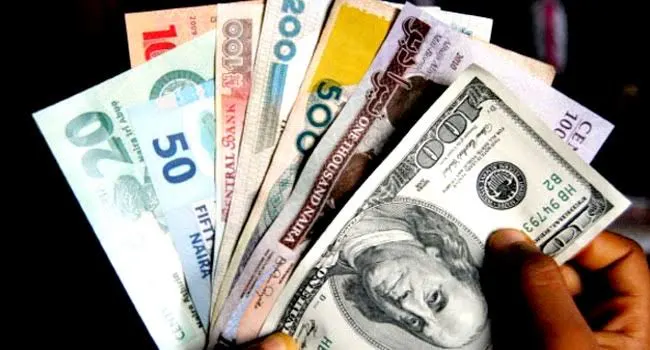
The Nigerian naira is trading at different rates against the United States dollar across the official foreign exchange market and the parallel market on Monday, October 26, 2026, with the gap between the two markets remaining important for businesses and individuals requiring foreign currency.
Available market reports put the official dollar rate at approximately ₦1,331, while parallel-market dealers are quoting about ₦1,370 for buying dollars and ₦1,385 for selling them. Actual rates may vary by location, dealer and transaction size.
Official Dollar-to-Naira Exchange Rate
Figures published by Gatekeepers News indicate an official dollar selling rate of approximately ₦1,331.28, based on the latest reported market data.
The official rate provides a benchmark for foreign exchange transactions conducted through authorized financial channels. However, the precise rate available to a customer may depend on the transaction, the financial institution and applicable charges.
Black-Market Dollar Rate Today
In the parallel market, also commonly called the black market, the dollar is quoted at approximately:
- Buying rate: ₦1,370 per dollar.
- Selling rate: ₦1,385 per dollar.
The buying rate is what a currency dealer pays a customer selling US dollars. The selling rate is what a customer pays to purchase dollars from the dealer.
These quotations are indicative and may change throughout the day.
How Much Is $100, $500 and $1,000 in Naira?
Using the reported parallel-market selling rate of ₦1,385 per dollar, the estimated cost of purchasing US dollars is as follows:
| US dollars | Estimated naira equivalent |
| $100 | ₦138,500 |
| $200 | ₦277,000 |
| $500 | ₦692,500 |
| $1,000 | ₦1,385,000 |
| $5,000 | ₦6,925,000 |
These calculations exclude additional charges and assume the quoted rate applies to the entire transaction.
What the Exchange Rate Means for Nigerians
Movements in the dollar-to-naira exchange rate can affect importers, retailers, manufacturers and consumers. Businesses that rely on imported raw materials, machinery, electronics and other goods may face higher costs when the dollar becomes more expensive in naira terms.
The exchange rate also matters to Nigerians paying international school fees, medical bills, travel expenses and other obligations denominated in foreign currencies.
A difference between the official and parallel markets can further influence transaction costs for people who cannot access foreign exchange through the official channels available to them.
What Could Influence the Naira?
The naira's performance in the coming trading sessions will depend on several factors, including foreign exchange supply and demand, dollar liquidity, export earnings, capital inflows and monetary policy developments.
Improved foreign currency inflows could support the local currency, while stronger demand for dollars could place additional pressure on the naira.
Customers and businesses planning foreign currency transactions should confirm the prevailing rate with their banks or authorized currency dealers before making payments.
Note: The reported exchange rates offer a snapshot of Nigeria's foreign exchange market on October 26, 2026. However, the official and parallel-market quotations are not interchangeable, and customers should verify the rate available for their specific transactions.
Source: Gatekeepers News.