

Africa | News
Uganda Orders 21-Day Quarantine for Citizens Returning from DR Congo Amid Ebola Concerns
Uganda | Public Health | October 26, 2026
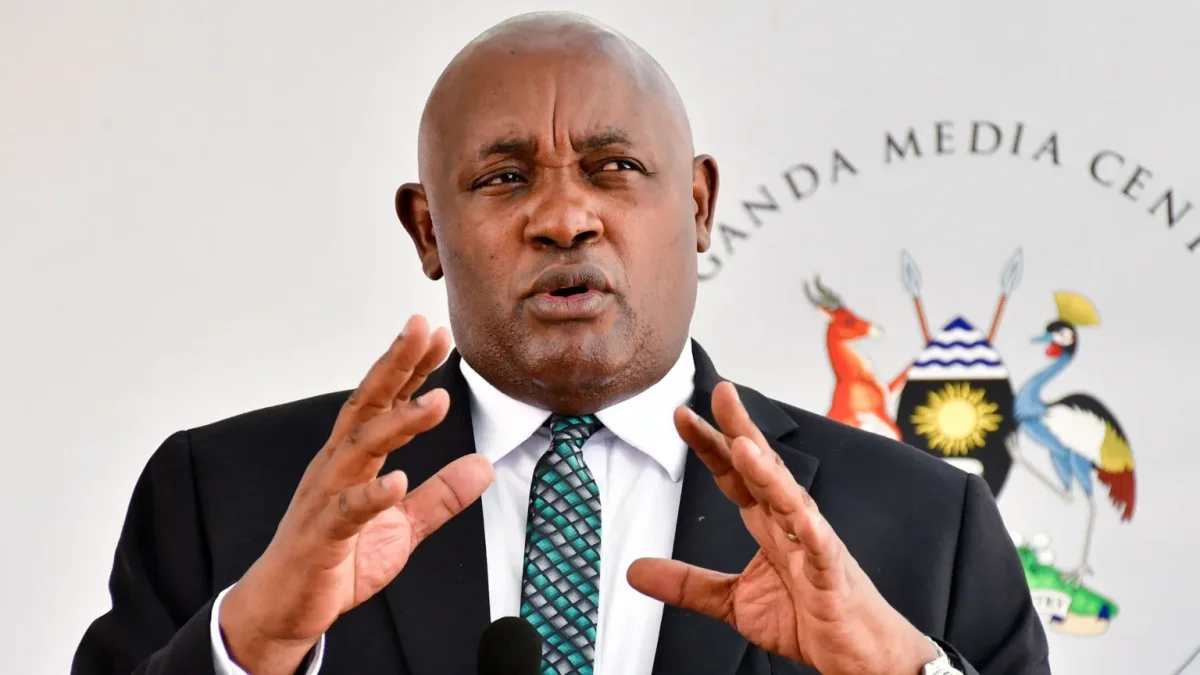
Uganda has introduced a mandatory 21-day quarantine for its citizens returning from the Democratic Republic of the Congo (DR Congo) after travel there, as authorities intensify efforts to prevent the reintroduction of Ebola.
The measure, announced on Sunday, October 25, by Health Minister Chris Baryomunsi, comes amid growing regional concern following Ebola infections reported in Kenya and Nigeria among people who had traveled through Uganda. The country says it has no active infections following the end of its latest outbreak in July.
Under the new rules, returning Ugandan citizens with a history of travel to DR Congo must undergo quarantine at their own expense. Authorities have also strengthened health screening at Entebbe International Airport, land borders and designated road checkpoints. Incoming travelers must complete passenger locator forms to help officials trace potential contacts if necessary.
The restrictions are part of a broader effort to protect Uganda from further transmission of the virus while investigations continue into the recent cases reported elsewhere in East Africa and West Africa.
Nigeria and Kenya Cases Raise Regional Concerns
The new measures follow reports of Ebola infections in Kenya and Nigeria involving people who passed through Uganda.
Kenya's first reported patient traveled from DR Congo through Uganda before flying from Entebbe International Airport to Nairobi on October 3. The patient died two days after arriving in Kenya, and Kenyan authorities subsequently reported additional infections and another death.
Nigeria is also investigating an Ebola case involving a 42-year-old Ugandan-born woman married to a Swiss diplomat. According to Nigerian health authorities, she traveled to Abuja through Addis Ababa on October 3 after visiting Uganda. She was subsequently isolated, and officials reported that her condition had improved remarkably.
Nigerian authorities have been tracing people who may have had contact with the patient, while Uganda and Nigeria work with international partners to establish her movements and possible source of infection.
The two patients reportedly passed through Entebbe airport on the same day. Ugandan officials said a review of airport surveillance footage showed no physical interaction between them. Genetic analysis found that the viruses involved were closely related, but authorities have not established a direct link between the two cases.
Disagreement Over the Possible Source of Infection
The Nigerian case has also prompted differing assessments of where the woman may have contracted the virus.
Swiss authorities have suggested that she became infected during her visit to Uganda. Uganda's health minister has challenged that conclusion, arguing that investigators must consider other possible routes of exposure.
Baryomunsi said relatives who had previously visited DR Congo had met the woman in Kampala, raising the possibility that exposure could have occurred through those contacts. However, that possibility has not been established as the source of infection.
The World Health Organization has indicated that the information available to it did not show that the Nigerian patient herself had traveled to DR Congo. Investigations into her movements, contacts and possible exposure remain ongoing.
The distinction is important: the appearance of cases in people who passed through the same airport does not, by itself, establish that transmission occurred there or that either infection originated in Uganda.
Uganda Tightens Border Surveillance
Ugandan health authorities are increasing surveillance at major entry points and land borders as they seek to prevent further infections.
Officials have emphasized that the new restrictions are precautionary measures intended to reduce the risk of Ebola entering the country from neighboring DR Congo, where the outbreak continues.
The government has also said that non-essential travelers from DR Congo will face entry restrictions, while essential travel will be subject to heightened public-health controls.
The measures carry practical consequences for cross-border movement, particularly for people whose work, trade or family responsibilities require regular travel between the two countries.
Uganda's position is that the continuing outbreak in DR Congo and the recent infections reported in neighboring countries justify stronger screening and monitoring.
The Wider Ebola Outbreak in DR Congo
The outbreak in DR Congo remains a major public-health concern. According to reporting by Al Jazeera citing World Health Organization figures, the country had recorded 9,704 cases and 4,687 deaths by October 20, 2026.
The outbreak involves the Bundibugyo species of Ebola virus, a relatively rare strain for which there is no approved vaccine or specific treatment. Research and vaccine trials are ongoing.
Ebola spreads through direct contact with the blood and other bodily fluids of an infected person, or contaminated materials. Symptoms can take up to 21 days to develop, making the incubation period a key consideration in public-health monitoring.
The 21-day quarantine period is intended to cover this recognized incubation window for people considered at risk.
The World Health Organization has called for stronger cross-border surveillance and cooperation while advising against general travel and trade restrictions on affected countries.
What the Measures Mean for Travelers
Ugandans returning after travel to DR Congo should expect mandatory quarantine under the announced policy and should confirm the latest implementation requirements with Uganda's health authorities before traveling.
Travelers entering Uganda should also be prepared to complete passenger locator forms and undergo health screening. People who develop symptoms consistent with Ebola after a possible exposure should seek urgent medical assessment and inform health professionals about their travel history.
For Nigeria and other countries in the region, the situation highlights the importance of early detection, contact tracing, transparent communication and cooperation between national health agencies.
Although the recent cases have increased concern, investigations have not established that Uganda was the source of the Nigerian infection. Authorities continue to examine the available evidence.
Note: Uganda's 21-day quarantine policy reflects growing concern about Ebola transmission across international borders. The immediate priority is to identify possible exposures, protect health workers and communities, and establish the source of recent infections through scientific investigation rather than assumptions.
Editorial note: The figures and policy details above reflect reporting available on October 26, 2026. The source of the Nigerian infection and any direct epidemiological link between the reported cases remain under investigation.
Sources for accountability and verification: