

News
Court Orders El-Rufai to Enter Defence in Alleged Wiretapping Trial
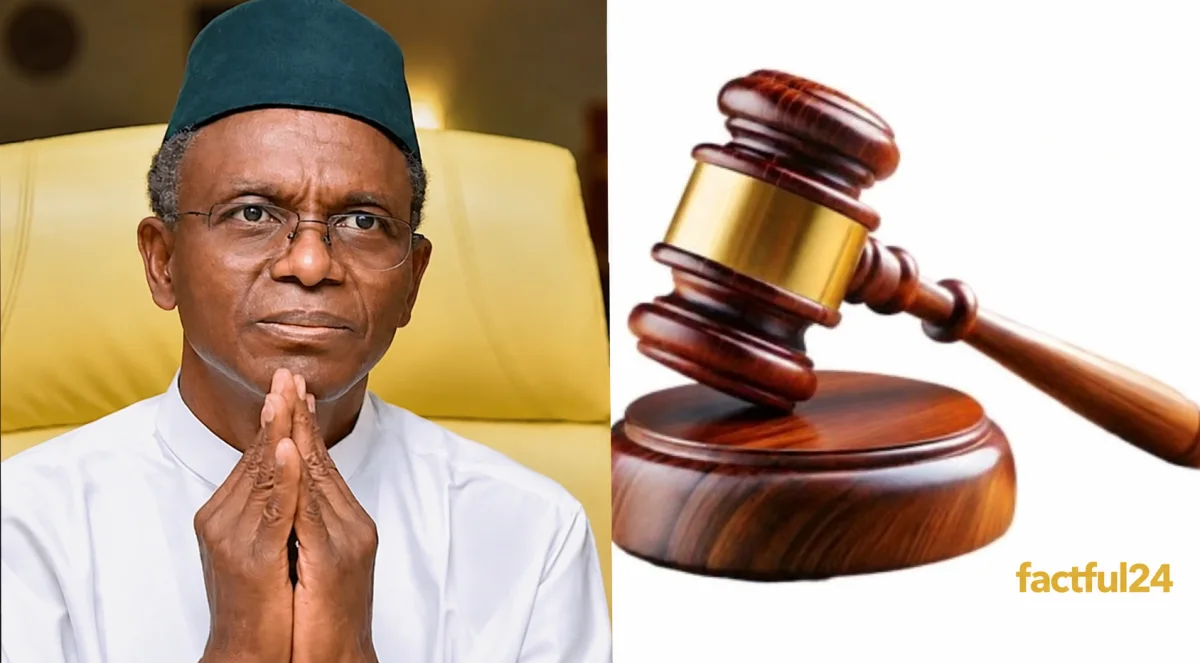
ABUJA, Nigeria - October 26, 2026
The Federal High Court in Abuja has dismissed former Kaduna State Governor Nasir El-Rufai’s no-case submission, directing him to enter his defense in the case involving the alleged unlawful interception of telephone communications linked to National Security Adviser Nuhu Ribadu.
A Federal High Court sitting in Abuja has ordered former Kaduna State Governor Nasir El-Rufai to enter his defense, if he so chooses, in an ongoing trial over allegations of unlawful telephone interception involving Nigeria’s National Security Adviser, Nuhu Ribadu.
Justice Joyce Abdulmalik issued the directive on Monday after rejecting a no-case submission filed by El-Rufai’s defense team. The application had asked the court to discharge the former governor on the grounds that the prosecution had failed to present sufficient evidence to require him to defend himself.
The judge ruled that the evidence presented by the Department of State Services (DSS) was sufficient to warrant the next stage of the proceedings, allowing the defendant an opportunity to respond to the allegations.
The decision moves the case into the defense stage but does not constitute a determination of El-Rufai’s guilt or innocence.
How the Case Reached This Stage
The prosecution followed comments El-Rufai made during an interview on Arise Television’s Prime Time programme in February 2026.
During the interview, the former governor reportedly referred to intercepted telephone conversations involving Ribadu, alleging that he had listened to communications connected to an alleged instruction for security operatives to arrest him.
The allegations emerged after a reported attempt by security operatives to arrest El-Rufai at the Nnamdi Azikiwe International Airport in Abuja following his return from Cairo, Egypt.
The DSS subsequently brought charges relating to the alleged unlawful interception of telephone communications and other alleged offences under relevant Nigerian legislation.
El-Rufai pleaded not guilty to the charges.
Why the Court Rejected His Application
The former governor filed the no-case submission after the prosecution concluded its presentation of evidence, having called two witnesses.
His legal team argued that the evidence was insufficient to establish a case requiring him to enter a defense.
However, the prosecution opposed the application, maintaining that its oral and documentary evidence justified requiring the defendant to respond.
Prosecution counsel Oluwole Aladedoye, a Senior Advocate of Nigeria, reportedly drew the court’s attention to Exhibit B, which the prosecution said contained an alleged admission concerning the interception of Ribadu’s telephone communications.
The court accepted that the prosecution had presented sufficient evidence for the case to proceed beyond the no-case stage.
A no-case submission is an application asking a court to terminate a criminal case without requiring the defendant to present a defense because the prosecution’s evidence is allegedly insufficient.
Rejecting such an application does not mean that every allegation has been proven. It means the proceedings can continue and the defendant has an opportunity to challenge the evidence and present a response.
What Happens Next?
The court has adjourned the case until November 25, 2026, for the defense stage, according to reports by Nigerian media outlets.
El-Rufai will have the opportunity to respond to the prosecution’s evidence in accordance with the applicable legal procedure.
The court will ultimately have to assess the evidence and arguments before reaching a decision on the charges.
The proceedings also place renewed attention on the legal boundaries surrounding the interception of private communications, the handling of electronic evidence and the responsibilities of public officials in matters involving national security.
Legal and Political Implications
The ruling represents a procedural development in a case involving two prominent figures in Nigeria’s political and security establishment.
For the prosecution, the rejection of the no-case submission means the court considers the evidence sufficient to proceed to the next stage.
For El-Rufai, the defense stage provides an opportunity to contest the allegations and address the evidence presented against him.
The case also raises broader questions about the legality of intercepting telephone communications, the admissibility and interpretation of electronic evidence, and the standards of proof required in criminal proceedings.
Nevertheless, the outcome remains undecided. The allegations must be distinguished from established facts, and the court’s eventual determination will depend on the evidence and arguments presented during the proceedings.
Note: The Federal High Court’s decision ensures that the alleged phone-interception case against Nasir El-Rufai proceeds to the defense stage. It is an important procedural development, but the former governor’s guilt or innocence remains a matter for the court to determine.
Source: https://www.galaxytvonline.com/news/local-news/court-orders-el-rufai-to-defend-self-in-wiretapping-trial