

Middle East | News
Israel Heads to Polls in Pivotal Election Shaped by Security and Democracy
SEO Headline: Israel Election 2026: Netanyahu Faces Tough Challenge as Security and Democracy Dominate Campaign
Meta Description: Israelis vote in a closely contested election that could reshape Benjamin Netanyahu’s political future, with national security, democratic institutions and the cost of war dominating the campaign.
JERUSALEM - Israel is heading into a crucial national election on Tuesday, October 27, 2026, with Prime Minister Benjamin Netanyahu facing a strong challenge from opposition parties amid deep divisions over national security, democratic governance and the country’s future.
The election is the first since the Hamas-led attacks of October 7, 2023, which killed nearly 1,200 people in Israel and triggered a devastating war in Gaza. Subsequent regional conflicts have further intensified security concerns and placed Netanyahu’s leadership under renewed scrutiny.
Netanyahu, Israel’s longest-serving prime minister, is campaigning on his security record, arguing that his government’s military operations have reduced threats facing the country. His supporters believe his experience and hard-line approach remain essential to protecting Israel in an increasingly volatile region.
However, critics question his government’s handling of the October 7 security failures and accuse it of weakening democratic institutions. Opposition leaders have called for greater political accountability, including an independent state commission of inquiry into the attacks.
Opposition Seeks Political Change
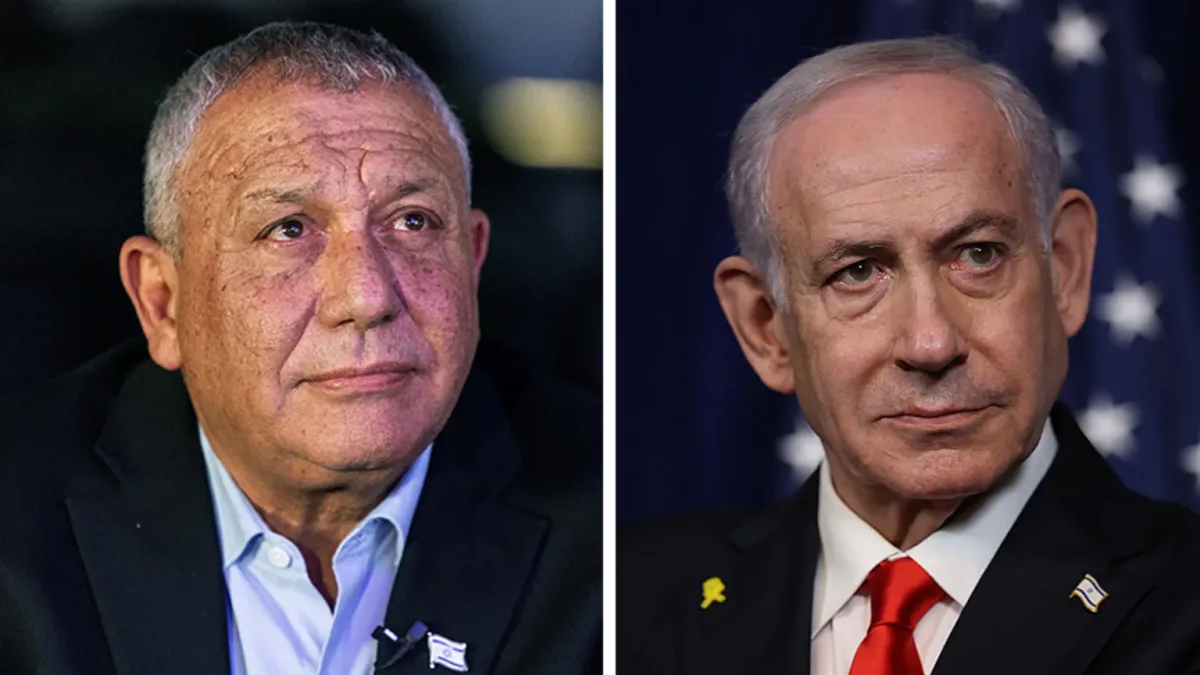
Former military chief Gadi Eisenkot has emerged as a significant challenger to Netanyahu. Leading the centrist Yashar party, Eisenkot has sought to appeal to voters looking for a change in leadership without compromising national security.
His campaign has emphasized integrity, national unity, judicial independence and a broader review of the decisions that preceded the October 7 attacks.
Other opposition figures, including former prime ministers Naftali Bennett and Yair Lapid, are also seeking to reshape the political landscape. However, differences among opposition parties could complicate efforts to form a united government.
Security, Democracy and Military Service
National security remains central to the election, with voters assessing the government’s response to the October 7 attacks and the conflicts that followed.
The future of Israel’s judicial system is another major issue. Critics of Netanyahu’s proposed judicial changes argue that they could undermine the independence of the courts and weaken democratic checks on executive power. Supporters of reform have defended changes to the relationship between elected officials and the judiciary.
Military conscription has also become a contentious subject, particularly the long-standing exemptions granted to many ultra-Orthodox Jewish men studying religious texts. Pressure has increased for a fairer distribution of military responsibilities as Israel continues to face security challenges.
The cost of living, education, healthcare and the social consequences of prolonged conflict are also influencing voters.
Coalition Politics Could Decide the Outcome
Israel operates a proportional parliamentary electoral system in which the 120-seat Knesset determines the formation of government. A coalition needs at least 61 seats to command a majority.
Consequently, the election may not produce an immediate or decisive winner. Smaller parties, including Arab political blocs, could become pivotal if neither the Netanyahu-led camp nor the opposition secures sufficient support independently.
Negotiations among parties could therefore determine who eventually forms the next government, even after voting concludes.
International Implications
The result could influence Israel’s approach to the Palestinian territories, regional security and relations with international partners. It may also shape future decisions concerning Gaza, the occupied West Bank and diplomatic efforts across the Middle East.
While opposition parties have criticized aspects of Netanyahu’s leadership, major political differences remain over Palestinian statehood, settlements and long-term security arrangements.
Ultimately, the election presents Israeli voters with competing visions of leadership, security and democratic accountability. Its outcome could determine not only Netanyahu’s political future but also the direction of Israeli domestic and foreign policy in the years ahead.
Note: Israel’s election is about more than choosing a prime minister. It is a test of public confidence in the government’s security record, the strength of democratic institutions and the country’s ability to reconcile national security with political accountability.
Source: BBC News; supporting election context from Reuters and the Associated Press.