

United States | News
Trump Administration Accuses CBS of Omitting Key Asylum Fraud Allegation in Deportation Report
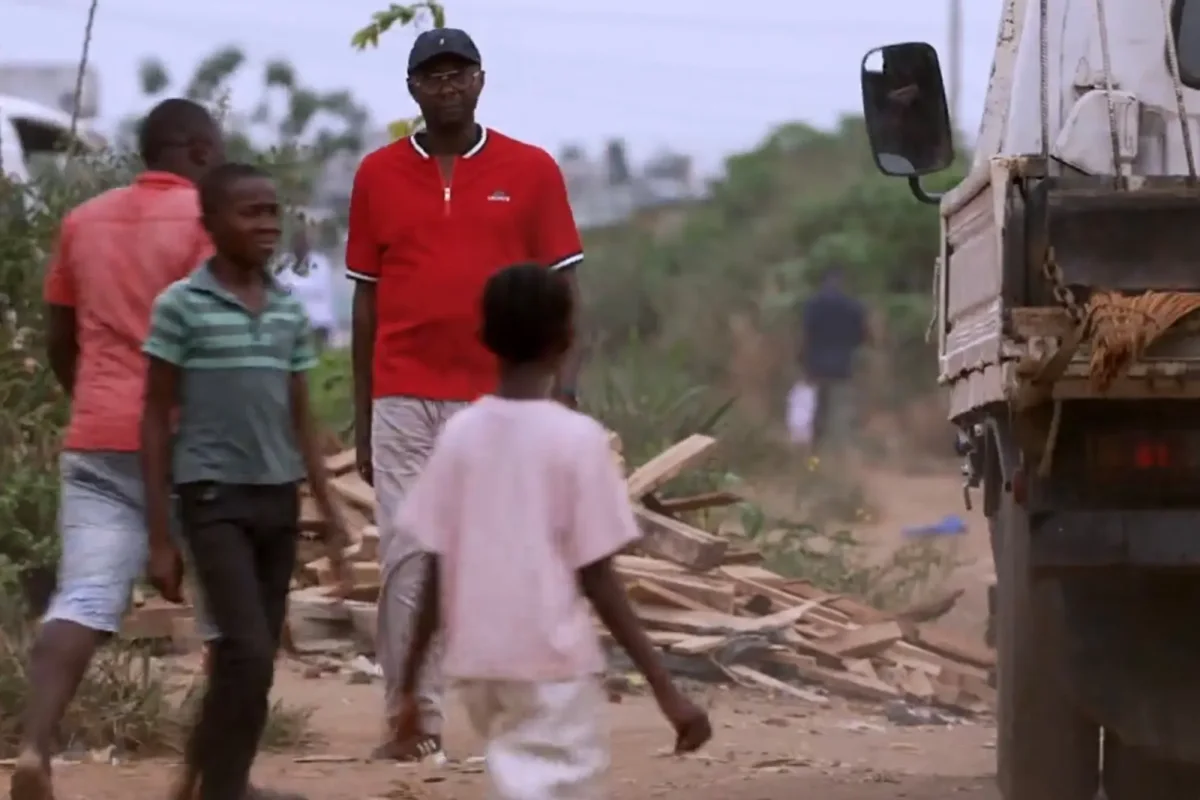
The dispute centers on a 60 Minutes profile of Moussa Diawara, a Malian national deported from the United States who says he was subsequently sent to a country where he fears persecution.
The administration of US President Donald Trump has criticized CBS News over its coverage of the deportation of Moussa Diawara, accusing the broadcaster of omitting a significant allegation concerning his asylum application in a recent 60 Minutes report.
The controversy emerged after the programme profiled Diawara, a 57-year-old Malian national who lived in Texas for approximately 25 years, married an American woman and had two children who are US citizens. He was deported to Ghana in July 2026 following an immigration case that had prevented authorities from returning him directly to Mali because of concerns about possible persecution.
Trump Administration Questions Asylum Claim
James Percival, general counsel of the US Department of Homeland Security (DHS), accused 60 Minutes of presenting an incomplete account of Diawara's case.
According to reporting by the New York Post and Fox News, the administration alleges that Diawara's asylum application identified him as gay and claimed that he feared persecution in Mali because of his sexual orientation.
Officials argue that this information was an important omission from the television profile, which focused on his separation from his wife and children and his reported experiences following deportation.
The administration has characterized the alleged discrepancy as evidence of potential immigration fraud. However, the public reporting reviewed for this article does not independently establish that Diawara committed fraud or that a court made such a finding.
CBS Report Focuses on Deportation to Ghana and Mali
In its October 25, 2026, report, 60 Minutes examined Diawara's removal from the United States to Ghana and his subsequent account that Ghanaian authorities transferred him to Mali against his will.
CBS reported that Diawara entered the United States on a tourist visa in 2001 and later sought protection from removal to Mali. In 2012, an immigration judge ruled that he could be deported from the United States but not returned to Mali because of the risk of persecution.
Diawara subsequently obtained a work permit and lived in Texas with his family. He was arrested by immigration authorities in July 2026 and deported to Ghana, a country with which he reportedly had no personal ties.
According to his account to CBS, he was detained after arriving in Ghana and later transported to Mali. He said he became homeless and feared for his safety before escaping to another African country, whose location he asked CBS to keep confidential.
DHS disputed aspects of his account, saying Ghana had provided diplomatic assurances concerning his safety. The department also questioned the credibility of his claims about the danger he faced in Mali.
CBS reported that documents associated with Diawara's deportation listed Mali as the destination, while DHS described the discrepancy as a clerical error and said the baggage tags had been produced by contractors.
Broader Debate Over US Deportation Policy
The dispute has renewed scrutiny of the Trump administration's use of third-country deportations, a policy under which people removed from the United States are sent to countries other than their countries of origin.
CBS reported that 17 of the 19 people it contacted who had been deported to Ghana on the same flight as Diawara said they were subsequently transferred against their will to countries they had been barred from returning to by US immigration judges.
DHS general counsel Percival said the administration's approach was intended to enforce immigration law and address public safety concerns. He also argued that third-country deportations were frequently misunderstood.
Immigration lawyers and critics of the policy have raised concerns about due process and the risk of deportees being returned to places where they could face persecution.
The legal debate remains significant. CBS reported that a federal appeals court had upheld a ruling against the administration's third-country deportation policy on due-process grounds, while the US Supreme Court had allowed the removals to continue pending further consideration of the case.
What Happens Next?
The controversy raises two distinct questions: whether Diawara's asylum application contained a material inconsistency that authorities can substantiate, and whether his subsequent deportation complied with legal protections against removal to a country where he could face persecution.
The administration's allegation about his asylum application does not, by itself, resolve the separate question of how he was treated after being sent to Ghana.
Meanwhile, Diawara's lawyer has asked a federal judge in Washington, DC, to order his return to the United States, according to CBS. His wife and two children remain in Texas.
The dispute also places renewed attention on the responsibility of news organizations to provide material context in sensitive immigration cases and on the government's obligation to explain the legal basis and consequences of deportation decisions.
Sources: New York Post; CBS News https://www.foxnews.com/media/