

Middle East | News
Netanyahu’s Likud Leads Israel Election Count, but Majority Remains Out of Reach
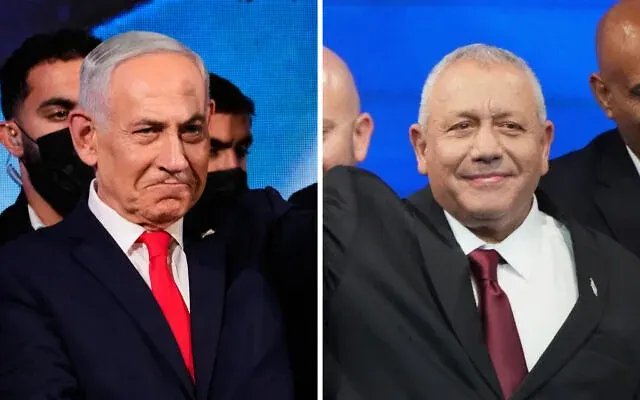
JERUSALEM, October 28, 2026 - Israeli Prime Minister Benjamin Netanyahu’s Likud-led political bloc has taken the lead in the country’s general election vote count, strengthening his position in the battle to remain in power. However, preliminary results indicate that his alliance remains short of the parliamentary majority required to form a government.
With approximately 77% of ballot boxes counted, the Netanyahu-led bloc was projected to secure 54 seats in Israel’s 120-member Knesset, compared with 47 seats for the opposition bloc led by former military chief Gadi Eisenkot. Arab-led parties were projected to hold 19 seats, potentially giving them a decisive role in negotiations over the formation of the next government.
A minimum of 61 seats is required for a parliamentary majority, according to reports by The Times of Israel. The figures remain provisional as counting continues.
Netanyahu gains ground as opposition faces coalition challenge
The latest figures represent a stronger position for Netanyahu than some election-night exit polls initially suggested. His Likud party has emerged as the largest individual party, while the opposition has struggled to assemble a clear path to a governing majority.
Nevertheless, leading the count does not automatically guarantee Netanyahu another full term. His allies, including right-wing and religious parties, would need additional parliamentary support or an arrangement that enables them to govern.
Opposition leader Gadi Eisenkot has challenged Netanyahu’s continued leadership and argued that voters want a change in government. However, opposition parties also face the difficulty of assembling sufficient support without relying on Arab-led parties, cooperation with which has been politically contentious.
Arab-led parties emerge as potential kingmakers
The projected 19 seats for Arab-led parties could prove significant during coalition negotiations. Their parliamentary strength may influence whether Netanyahu’s opponents can establish an alternative government or whether the incumbent prime minister can secure sufficient support to remain in office.
The outcome also highlights the divisions within Israeli politics over security, the wars involving Israel and its regional adversaries, and the country’s future political direction.
What happens next?
Israel’s political future will depend on the final results and the negotiations that follow. Netanyahu remains caretaker prime minister while the process of forming a government unfolds.
If no political bloc can assemble the necessary support, negotiations could be prolonged and another election could eventually become a possibility.
Note: Netanyahu’s lead in the preliminary count gives him a significant position in the post-election negotiations, but the absence of a clear parliamentary majority means that the final balance of power remains unresolved.
This report is based on preliminary election figures available on October 28, 2026. Seat projections may change as the remaining ballots are counted.
Source: https://www.timesofisrael.com/liveblog-october-28-2026/